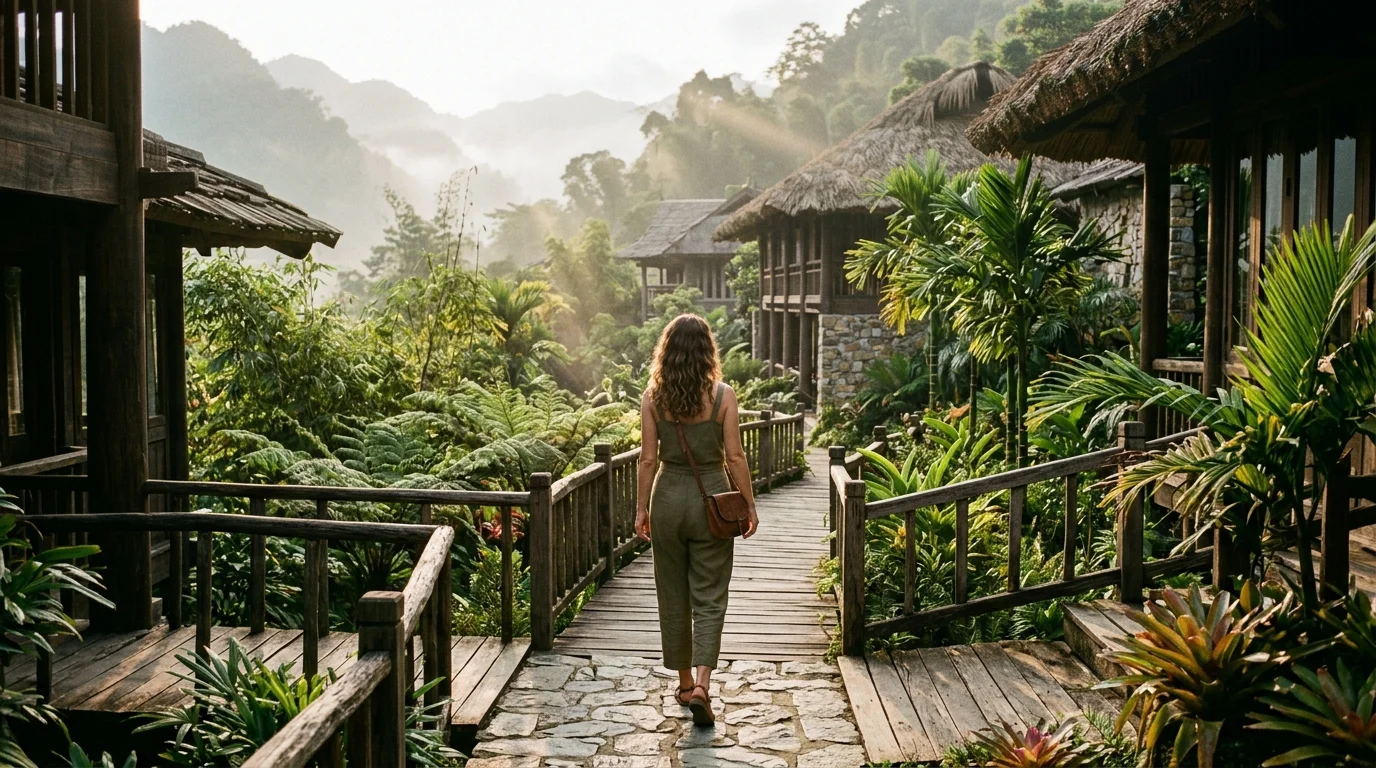

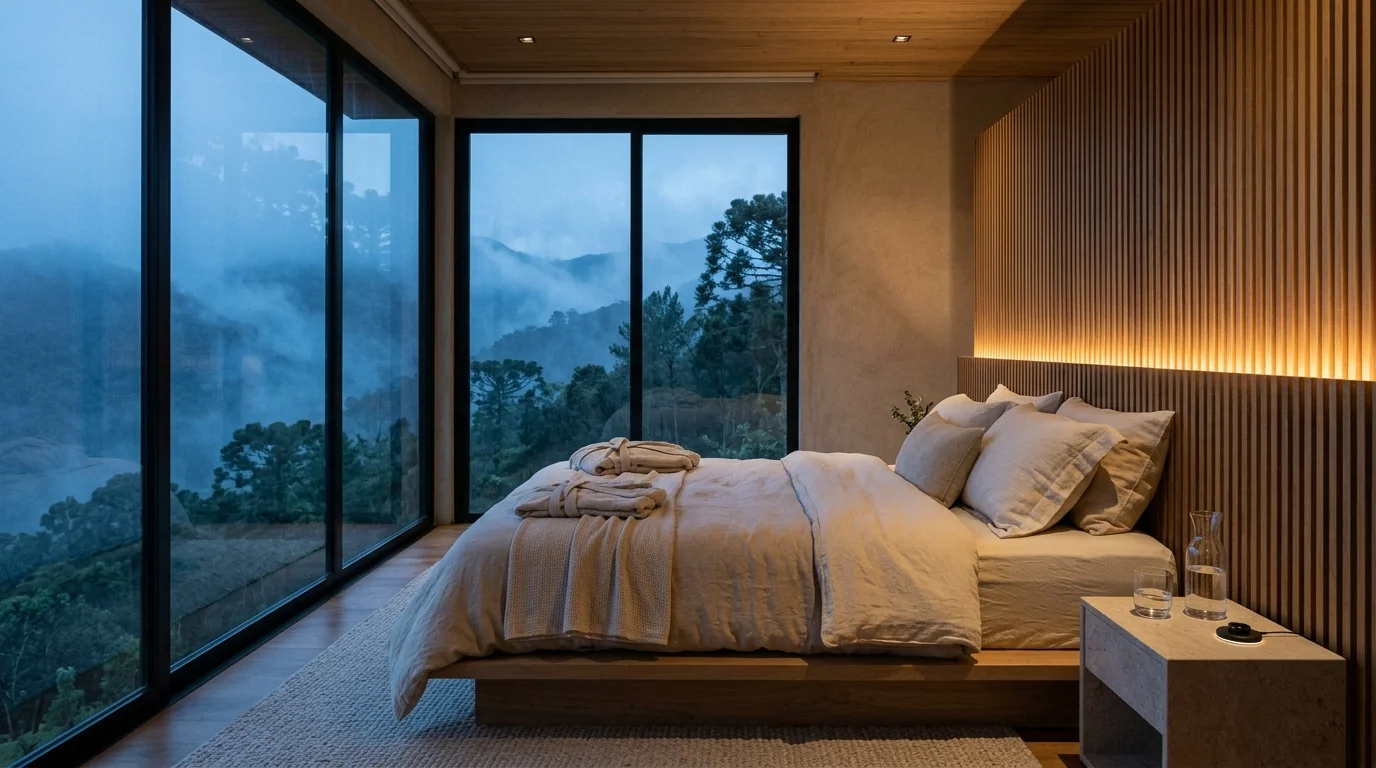
For decades, the dominant template for vacation travel was governed by an almost punitive premise: nonstop hyperactivity. Minute-by-minute itineraries, endless museum queues, daily hotel check-ins, frantic retail marathons, and alcohol-heavy late dinners. Travelers returned to their corporate desks physically depleted and cognitively drained, validating the universal post-holiday cliché: “I need a vacation from my vacation”. In 2026, that exhausted paradigm has decisively collapsed. Amid an international epidemic of chronic burnout, insomnia, and sensory overload, the luxury hospitality industry is undergoing a structural transformation: the rapid rise of Sleep Tourism.
Far from offering just a plush mattress and high-thread-count sheets, sleep tourism repositions hospitality as a proactive intervention in lifestyle medicine and circadian biology. For discerning travelers, the benchmark of a successful journey is no longer the volume of landmarks crossed off a bucket list, but something far rarer in contemporary society: eight to nine hours of uninterrupted, restorative slow-wave and REM sleep.
According to global research from the Global Wellness Institute (GWI), the international wellness and circadian recovery travel economy has surged past $120 billion globally. While pioneering luxury brands like Six Senses, Rosewood, and Mandarin Oriental established the trend with high-tech urban sleep sanctuaries in London, New York, and Geneva, Brazil is now surfacing as one of the world’s most compelling destinations for regenerative travel, fusing high-altitude ecological retreats with cutting-edge neuroarchitecture and sleep science.
💡 Key Takeaways
- Transcending Hyperactive Ecotourism: Regenerative stays are replacing overscheduled trips with experiences engineered around neurobiological repair, cortisol reduction, and circadian rhythm alignment.
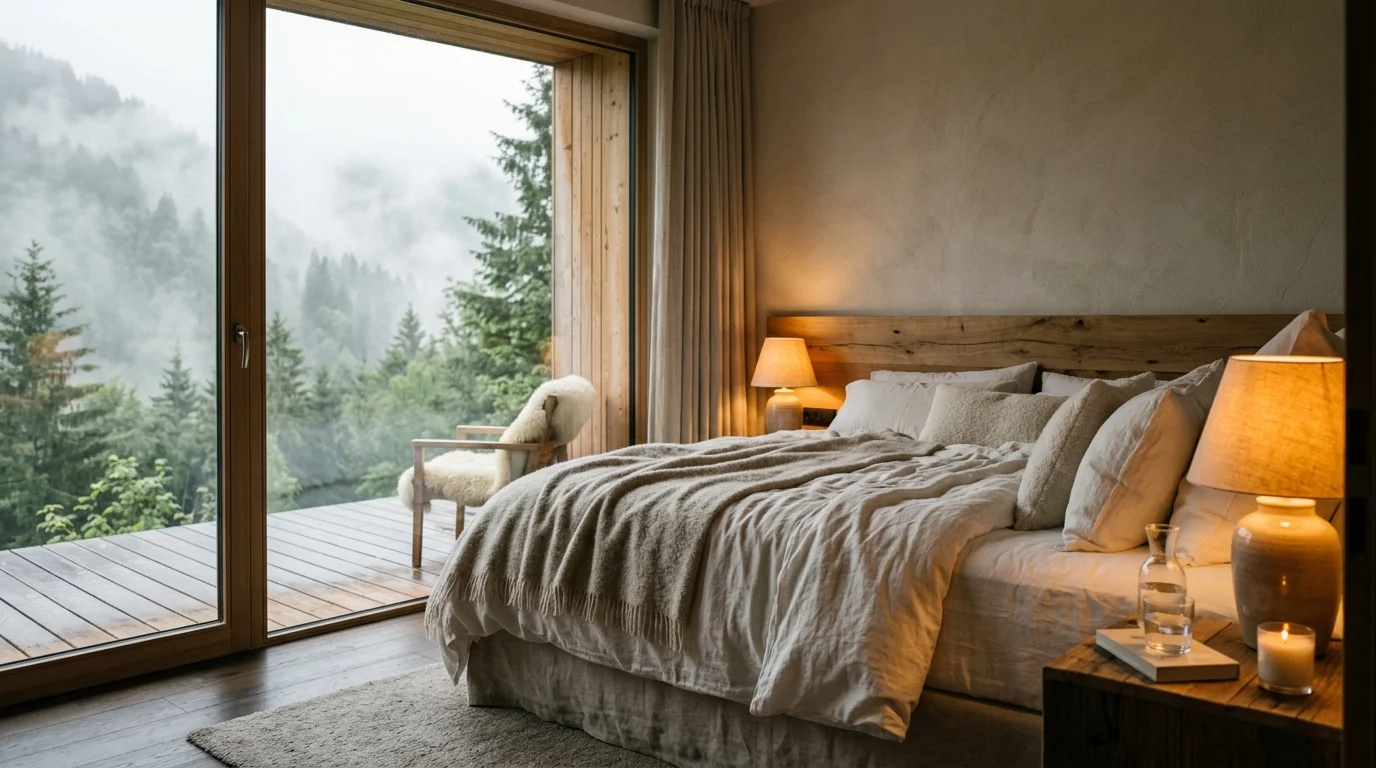
- Hospital-Grade Neuroarchitecture: Hotel suites are engineered with sub-25-decibel soundproofing, complete 100% light blackout systems, and dynamic water-cooled mattress pads.
- Chrono-Nutrition & Functional Botanicals: Evening dining menus phase out stimulants after 2:00 PM, prioritizing bioavailable precursors of serotonin and melatonin (L-theanine, magnesium threonate, and native calming botanicals).
- The Mantiqueira & Southern Highlands Hub: Boutique lodges across Brazil’s cloud forests are transforming into restorative sanctuaries for burned-out executives and creative leaders.
Anatomy of a Circadian Sanctuary: Where Architectural Physics Meets Neuroscience
What genuinely differentiates a conventional luxury hotel room from an authentic circadian sleep suite? The answer lies in bioclimatic and sensory engineering. Across Brazil’s mountain highlands — particularly the Serra da Mantiqueira, the Serra Gaúcha, and the Chapada dos Veadeiros plateaus — high-end boutique properties are collaborating with acoustic engineers and cronobiologists from the Brazilian Sleep Association (ABS) to fundamentally redesign guest accommodations.
To coax the human parasympathetic nervous system into deep, non-vigilant recovery, the physical environment must systematically deactivate instinctual biological alarm systems. This relies on four technological pillars:
  CIRCADIAN SUITE ARCHITECTURE (SLEEP TOURISM)
  ┌─────────────────────────────────────────────────────────┐
  │ 1. Advanced Acoustic Isolation (< 25 dB)                │
  │    ├─ Vacuum double-glazed soundproof acoustic frames   │
  │    └─ Fluted timber slats & natural wood-wool damping   │
  ├─────────────────────────────────────────────────────────┤
  │ 2. Dynamic Thermal Regulation (17°C to 19°C)            │
  │    ├─ Micro-channel chilled-water active mattress pads  │
  │    └─ 100% organic breathable linen textiles            │
  ├─────────────────────────────────────────────────────────┤
  │ 3. Biodynamic Circadian Lighting Spectrum               │
  │    ├─ 100% blue-light-free amber glow post-sunset       │
  │    └─ Progressive dawn sunrise simulation at wake-up    │
  ├─────────────────────────────────────────────────────────┤
  │ 4. Chrono-Nutrition & Native Adaptogens                 │
  │    ├─ Evening infusions of native passionflower & herbs │
  │    └─ Light dinners rich in magnesium & L-tryptophan    │
  └─────────────────────────────────────────────────────────┘
Core body temperature is the master biological switch for entering deep slow-wave sleep. Peer-reviewed clinical research confirms that the body must shed approximately 1°C of internal heat to initiate nocturnal repair cycles. Consequently, modern sleep suites discard noisy, drafty forced-air HVAC units in favor of silent radiant radiant hydronic cooling systems or smart mattress pads that keep the bed microclimate steadily calibrated between 18°C and 19°C throughout the night.
The Brazilian Context: Executive Burnout and High-Altitude Retreats
In Brazil, the meteoric adoption of sleep-focused getaways directly mirrors systemic corporate realities. Data from the International Stress Management Association (ISMA-BR) places Brazil among the countries with the highest global prevalence of occupational exhaustion, with over 30% of the active workforce displaying severe symptoms of clinical burnout.
Financial executives from São Paulo’s Faria Lima, startup founders, and high-stress professionals are increasingly trading exhausting transatlantic flights for secluded highland sanctuaries just two to three hours away by car. For these travelers, true modern indulgence involves weekend stays characterized by:
- Digital Sanctuaries: Smartphones locked in artisan wooden boxes at reception for voluntary offline peace.
- Biometric Baselines: Discreet sleep health tracking via medical-grade smart rings or lightweight EEG headbands upon arrival.
- Vagal Tone Conditioning: Forest bathing sessions (shinrin-yoku), restorative breathwork, and sound baths that prepare the autonomic nervous system for deep nocturnal rest.
- Custom Pillow Menus: Multiple ergonomic densities — from charcoal-infused memory foam to natural shredded organic latex — tailored to individual cervical spine alignment.
Hotels that once competed over vintage champagne lists and diamond-dust spa facials now command premium nightly rates based on absolute soundlessness, atmospheric purity, and measurable biological recovery.
❓ Frequently Asked Questions (FAQ)
What defines a legitimate Sleep Tourism retreat compared to a standard quiet hotel?
A genuine sleep tourism program goes far beyond double curtains and quiet hallways. It offers a holistic, science-backed protocol: pre-arrival sleep habit assessments, rooms equipped with circadian technology (total acoustic baffling, Zero-lux blackout, and active thermal cooling), tailored evening gastronomy devoid of caffeine and alcohol, and therapeutic modalities specifically designed to extend slow-wave and REM sleep phases.
Can sleep retreats replace medical treatment for clinical sleep apnea or chronic insomnia?
No. Sleep hospitality operates as a lifestyle, prophylactic, and restorative wellness intervention. Individuals with severe sleep disorders — such as obstructive sleep apnea, restless leg syndrome, or chronic clinical insomnia — require medical diagnosis and therapies from certified sleep medicine centers. However, an immersive sleep retreat frequently acts as a crucial wake-up call, demonstrating to guests just how degraded their baseline sleep quality has become in daily urban life.
Which regions in Brazil lead the sleep tourism movement?
High-altitude highland zones featuring cool night microclimates, dense canopy forests, and minimal light pollution are the primary destinations: the Serra da Mantiqueira (spanning cities like Santo Antônio do Pinhal and Gonçalves), the mountainous region of Rio de Janeiro (Petrópolis and Visconde de Mauá), the southern highlands (Gramado and Urubici), and eco-lodges surrounding Chapada dos Veadeiros.
The Ultimate Luxury of Silence
The global phenomenon of sleep tourism highlights a profound societal shift: in an increasingly noisy, hyper-connected, and relentlessly stimulated world, deep silence and restorative slumber have become the rarest and most valuable commodities on earth.
By merging pristine biodiversity with neuroarchitectural precision, Brazil is establishing a premier benchmark in restorative travel. The vacations of the future will no longer be measured by the miles logged or tourist spots visited, but by the quiet mental clarity and renewed vitality with which travelers return home.
🔗 References & Official Sources:
- Global Wellness Institute (GWI) — Global wellness tourism economy reports and circadian recovery hotel industry analyses.
- Brazilian Sleep Association (ABS) — Clinical guidelines on sleep hygiene, chronobiology, and acoustic environments.
- Sleep Foundation — Physiological data on temperature regulation, darkness, and slow-wave sleep cycles.
- Condé Nast Traveler — Worldwide reporting on luxury travel trends and the expansion of sleep-centric hospitality.
- ISMA-BR (International Stress Management Association) — Epidemiological data on corporate burnout, chronic stress, and workplace wellness in Brazil.