There was a time when the metric of a successful vacation was determined by passport stamps collected and the sheer volume of famous landmarks captured for instant social media validation. Yet the unrelenting speed of modern hyperconnectivity has sparked a quiet cultural counter-movement. In response to the physical and mental exhaustion bred by transactional, fast-paced sightseeing, a meaningful philosophy has taken root across the global hospitality landscape: intentional travel.
Rather than cramming spreadsheets with rigid itineraries that demand visiting five attractions before lunch, modern travelers are intentionally choosing fewer destinations, extended stays, and environments engineered around amplified personal well-being, regional culinary heritage, and quiet immersion in nature. Travel has evolved from a sprint of visual consumption into an intentional ritual of presence and restorative self-care.
📌 Key Takeaways: What You Need to Know
- The Intentionality Shift: Traveling with an explicit purpose — whether somatic recovery, culinary exploration, or mental stillness — has decisively displaced the obsolete checklist vacation model.
- Financial Reprioritization: Confronted with higher flight tariffs, discerning travelers prefer reducing transit frequency to invest deeply in tranquil, high-touch boutique lodgings.
- The Regenerative Hospitality Surge: Mountain sanctuaries, biodiverse ecolodges, and slow-paced heritage towns are witnessing record demand as centers for mindful living.
The Exhaustion of Mass Tourism and the Demand for Deeper Wellness
Industry research highlighted by leading travel authority Panrotas and consumer surveys conducted by Melhores Destinos indicate that over 65% of discerning travelers now prioritize mental decompression and circadian restoration above generic tourist sightseeing.
This cultural maturation has established three core pillars within intentional travel:
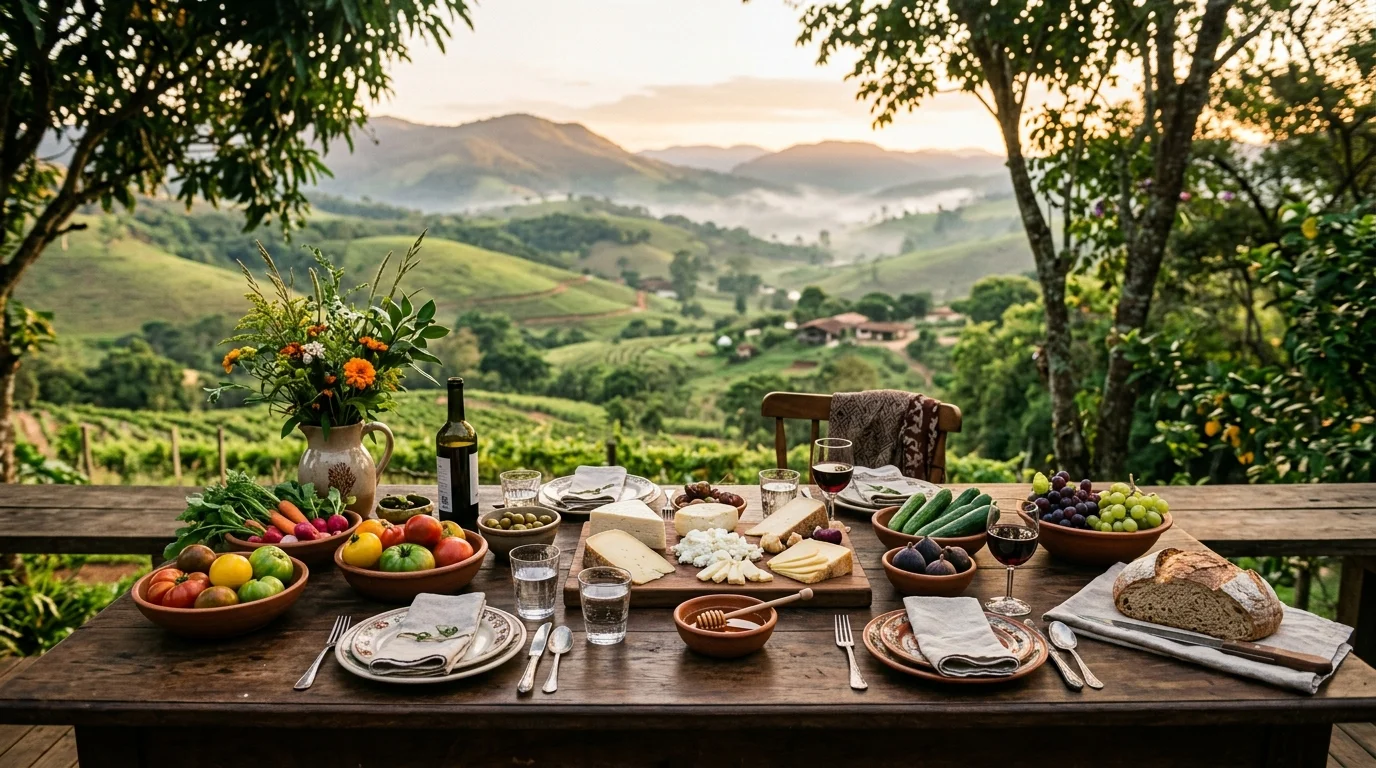
- Focused, Thematic Journeys: Rather than attempting to “see everything,” travelers engage deeply with one specific regional dimension — whether participating in small-scale artisanal cheesemaking and high-altitude viticulture, joining a guided forest bathing (shinrin-yoku) retreat, or learning traditional pottery.
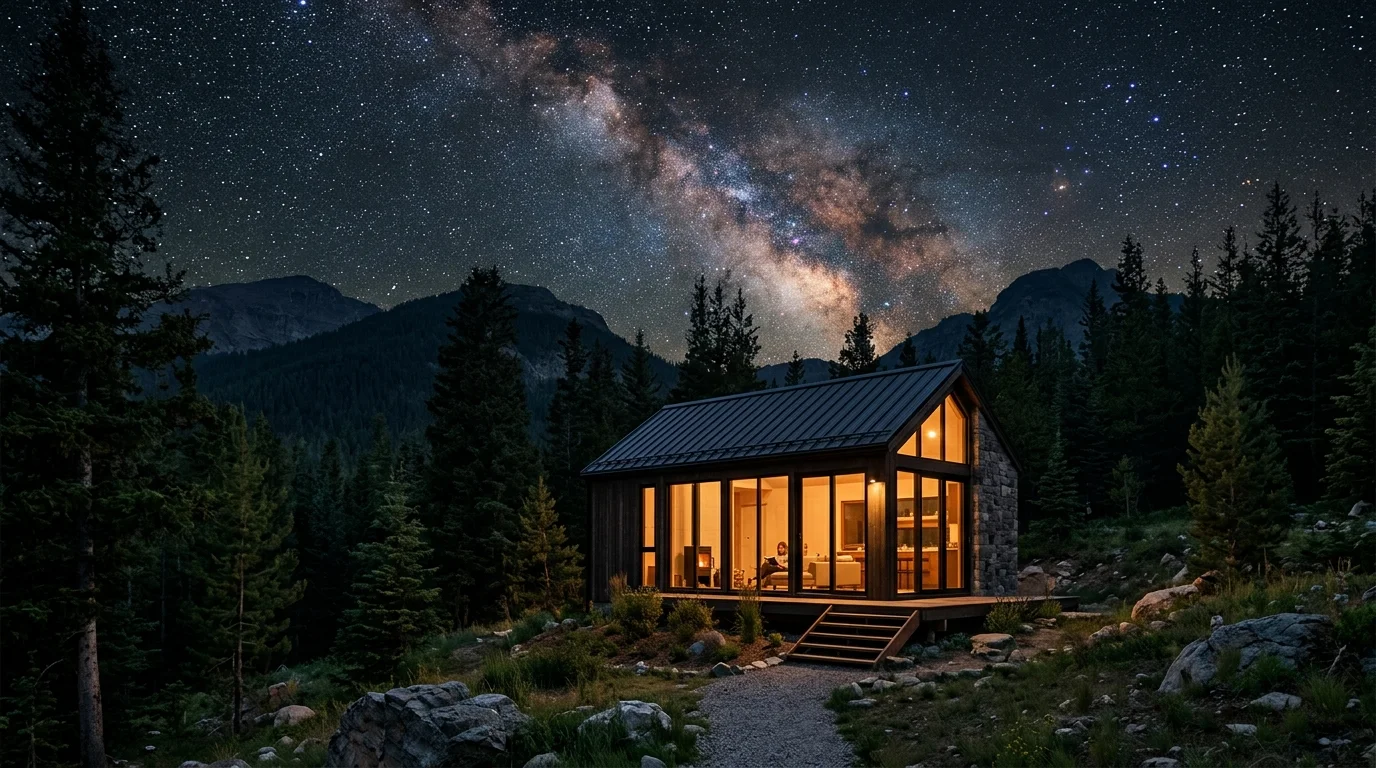
- Accommodations as the Primary Destination: Lodgings are no longer mere places to sleep between excursions. Biophilic architecture, boutique estates sourcing garden-to-table cuisine, and eco-lodges embedded seamlessly in native biomes have become the centerpiece of the trip.
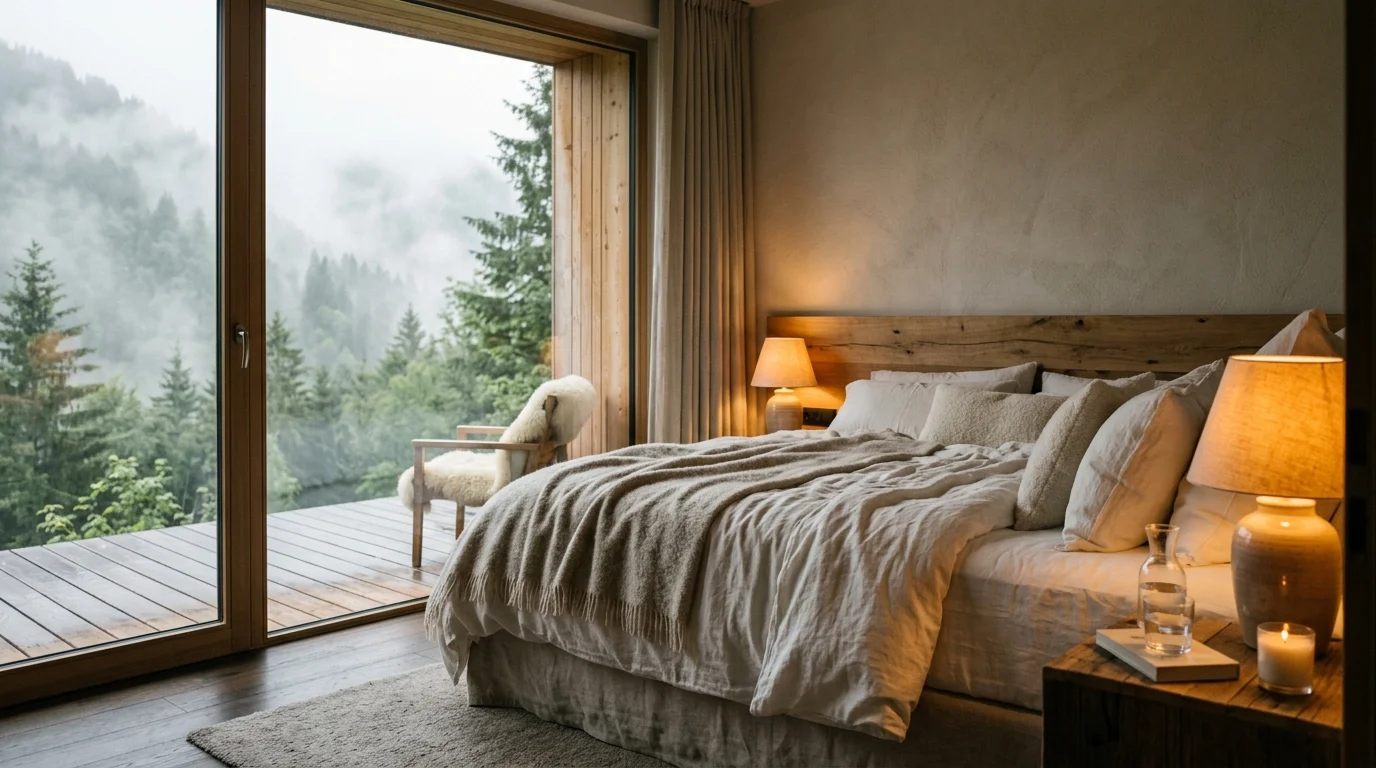
- Structured Digital Pauses: The deliberate longing to unplug from push notifications and nonstop virtual demands has turned absolute acoustic tranquility and clean air into the most coveted luxury assets in contemporary tourism.
This evolution toward restorative stillness connects directly with the cultural movement we explored in our report on the quiet luxury of hushpitality and silent stargazing retreats.
Rediscovering Local Biomes and Highland Sanctuaries
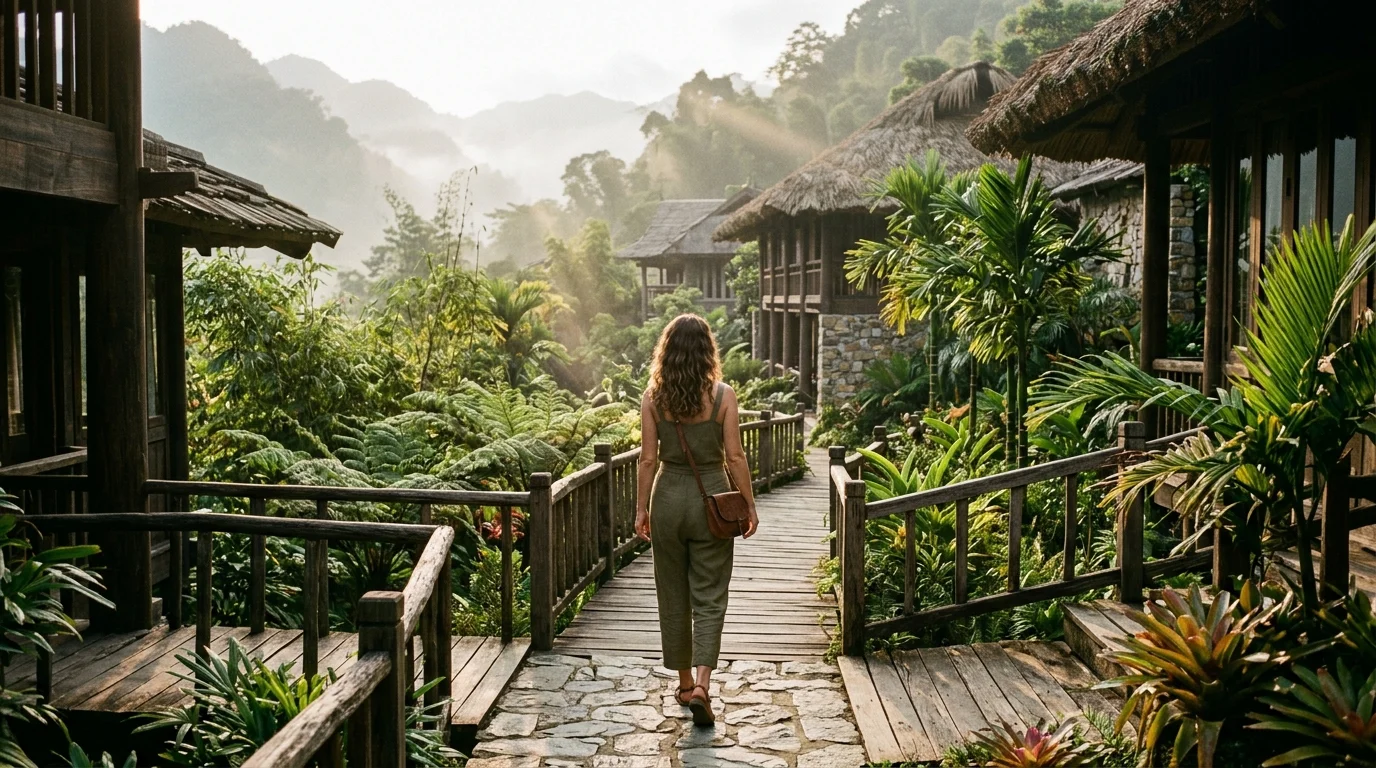
Around the world, and especially across the lush diversity of Latin America, intentional travel is redirecting economic attention away from crowded capital cities toward pristine regional landscapes:
- The Appeal of Serene Highlands: Mountain escapes with mild climates have seen unprecedented surges from visitors seeking crisp air, crackling fireplaces, scenic hiking trails, and artisanal micro-roasteries.
- Regenerative Ecotourism: Conservation reserves and river canyons attract travelers eager to support wildlife protection projects and directly sustain traditional agrarian communities.
- Terroir-Driven Gastronomy: The celebration of indigenous botanicals and regional heirloom ingredients has turned remote rural farms into world-class culinary destinations.
How to Structure an Intentional Journey
Lifestyle curators and slow-travel experts recommend three practical strategies to cultivate intentionality on your next trip:
- Eliminate Travel FOMO: Release the compulsion to visit every landmark recommended by algorithmic travel guides. Spending an uninterrupted afternoon reading under an old oak tree or conversing with a local baker often delivers far richer memories than queuing for crowded monuments.
- Establish a Single Home Base: Instead of relocating every other night, anchor yourself in a singular boutique sanctuary for the entire week, exploring surrounding valleys organically without the constant fatigue of repacking luggage.
- Harmonize with Your Natural Circadian Rhythms: If your body is exhausted after months of intense professional deadlines, avoid dawn alarm clocks for pre-booked bus tours. The trip must adapt to your physiological needs, not the reverse.
Frequently Asked Questions (FAQ)
What fundamentally sets intentional travel apart from conventional vacations?
Conventional tourism focuses on collecting sights and photographing tourist attractions. Intentional travel prioritizes mental presence, physiological restoration, regional authenticity, and genuine connection with local culture and environments.
Does slow and intentional travel require a higher budget?
Not necessarily. Because intentional journeys minimize frequent transit transfers, internal regional flights, and costly entrance fees to commercial tourist traps, travelers can redirect their budget toward higher-quality stays and nourishing local gastronomy while keeping total expenditures balanced.
Why has sleep-centric and quiet tourism gained such immense popularity?
Because modern society is overwhelmed by cognitive overload and chronic digital fatigue. Leisure time is increasingly viewed through the lens of longevity, vital rejuvenation, and neurological recovery.
Strategic Synthesis: Travel as Restoration and Inner Balance
Intentional travel reflects a profound collective recalibration of how we experience free time. Traveling is no longer about collecting digital trophies to perform online, but about allowing new horizons, authentic flavors, and quiet moments to renew our perspective and restore internal harmony. When you pack your bags next, remember: the greatest souvenir is the enduring sense of clarity and peaceful energy you bring home with you.
What central intention guides your travel and retreat decisions today? Share your favorite mindful escapes in the comments below!
🔗 Consulted Sources & References:
- Panrotas — Tourism Trends 2026: The Consolidation of Experiential, Intentional, and Wellness Travel.
- Melhores Destinos — Traveler Survey: Slower Itineraries and Quality of Life Define Destination Choices.
- Viagem e Turismo (Abril) — The Ecotourism Renaissance and the Rise of Nature-Integrated Lodgings.