For decades, the standard vacation blueprint was synonymous with planned exhaustion: grueling twelve-hour daily itineraries, frantic sightseeing check-offs, and the perennial joke about needing another vacation just to recover from the trip. By 2026, amid a worldwide wave of cognitive fatigue, chronic insomnia, and relentless digital notifications, the essence of travel has undergone a profound transformation: deep, undisturbed sleep has emerged as the definitive luxury of our time.
This phenomenon is globally known as Sleep Tourism. Rejuvenating rest is no longer regarded as an inconvenient biological pause between excursions; it has become the centerpiece of the guest experience. Boutique retreats, eco-luxury lodges, and countryside sanctuaries in Brazil and across the globe are radically redesigning their suites into cellular repair sanctuaries engineered to reset the human circadian rhythm.
Key Takeaways:
- The Shift Away from Fast Tourism: Studies published by Condé Nast Traveler and hospitality reports from Panrotas reveal that over 58% of premium travelers now prioritize sleep restoration and mental recharge over packed tourist itineraries.
- Clinical Hospitality Science: According to Hotelier News, forward-thinking resorts are investing heavily in medical-grade acoustic insulation, 100% blackout environments, active thermoregulating mattresses, and dedicated on-site sleep concierges.
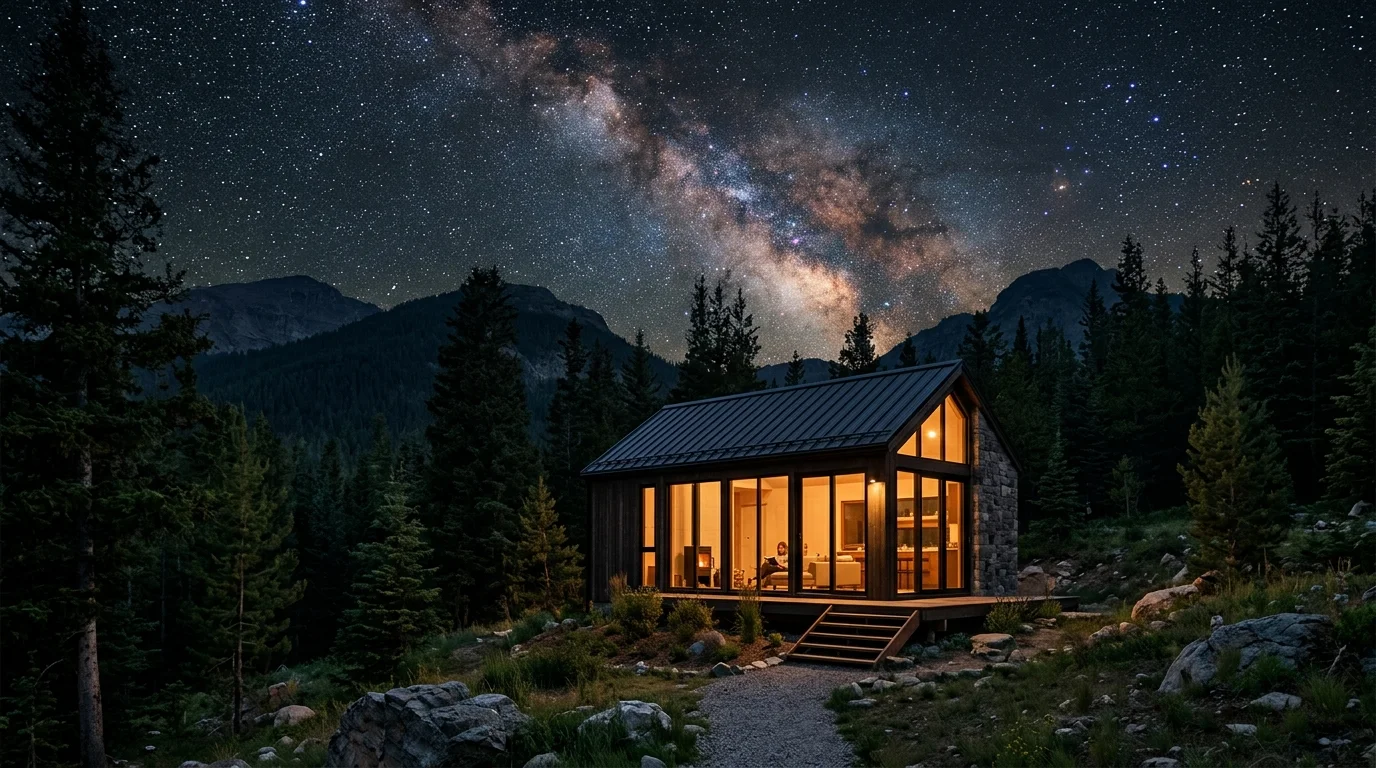
- Nature as a Biological Healer: Pristine mountain retreats and biodiversity hotspots—such as Brazil’s Mantiqueira Mountain Range and the high-altitude plateaus of South America—are leading bookings for nature-immersed stillness and pure mountain air.
1. Why Modern Society Forgot How to Sleep
The surge in sleep tourism is not an arbitrary hospitality trend; it is a direct response to a widespread physiological crisis. According to the Brazilian Sleep Association (ABS) and international health surveys, more than 65% of urban adults report frequent difficulty falling or staying asleep, exacerbated by endless exposure to blue light emissions and blurrier boundaries between work and rest.
Chronic sleep deprivation severely impairs immune defenses, emotional regulation, and cognitive sharpness. When exhausted travelers arrive at conventional hotels plagued by corridor chatter, humming air conditioners, and flashing smoke detector LEDs, their hope for restorative sleep evaporates. In this gap between hospitality and biological wellness, circadian design has discovered its calling.
2. Anatomy of an Elite Circadian Suite
Far beyond plush linens and a soft mattress, sleep-centric hotel infrastructure operates at the intersection of sensory architecture and chronobiology:
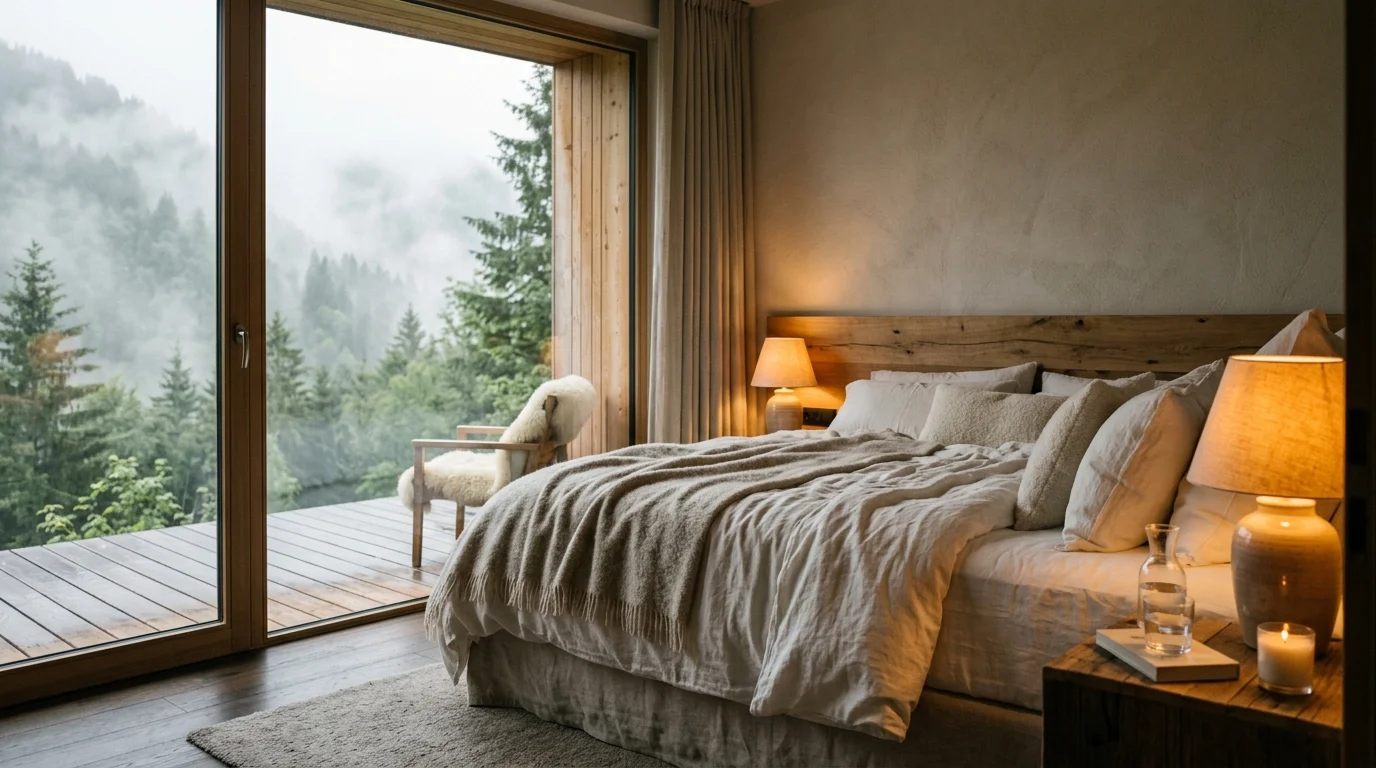
- Solar-Synchronized Dynamic Lighting: Suite illumination subtly shifts hue and lux levels throughout the day. Crisp, bluish daylight spectrums awaken morning cortisol gently, while rich amber and deep red wavelengths at dusk cue the pineal gland to release natural melatonin.
- Precision Acoustic Engineering & Total Darkness: Triple-glazed acoustic glass isolates rooms from ambient noise, while recessed motorized drapery ensures absolute zero light bleed before the guest’s predetermined wake-up time.
- Thermal Regulation & Intelligent Beds: Bedding engineered with breathable phase-change materials and zoned density support actively dissipates core body heat—a biological prerequisite for entering and sustaining deep, non-REM sleep stages.
- Nocturnal Decompression Rituals: Botanical infusion menus featuring chamomile and passionflower, organic lavender aromatherapy, guided sound baths, and private magnesium flake soak baths.
Read our comprehensive guide on slow travel and the rise of meaningful journeys.
3. The Power of Forest Bathing and Latin American Sanctuaries
Countries blessed with vast biological reserves, such as Brazil, enjoy an unparalleled advantage in restorative wellness tourism. The dense foliage of the Atlantic Forest and high-altitude rainforests emits abundant phytoncides—airborne organic compounds produced by native trees that have been clinically demonstrated to lower cortisol, reduce heart rate, and stimulate natural killer cell activity.
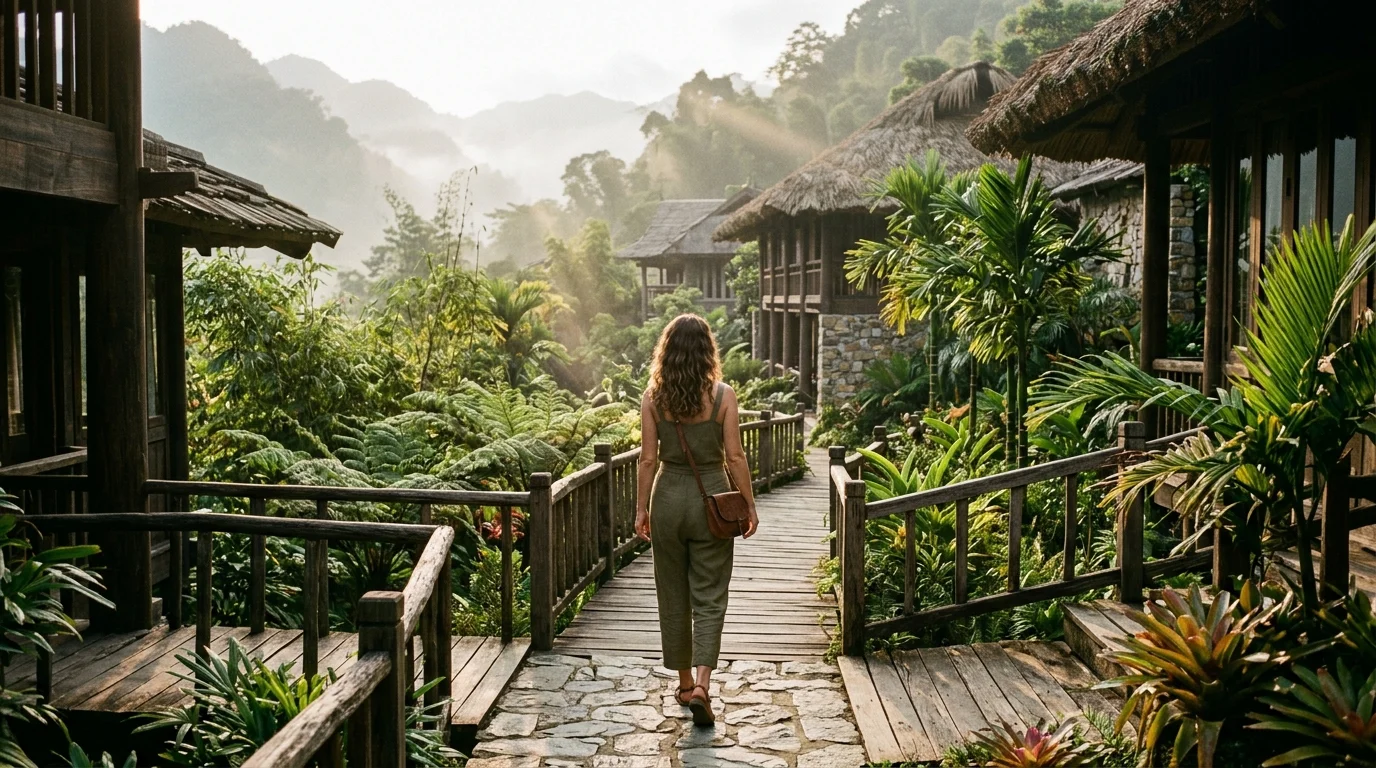
Boutique lodges nestled across peaceful valleys from Campos do Jordão to remote eco-resorts on the northeastern coastline are enforcing strict “zero screen” policies in shared spaces. By blending forest bathing (Shinrin-yoku) with modern sleep ergonomics, these sanctuaries offer overworked executives and digital professionals an immediate physiological reset that prescription sleeping aids cannot mirror.
Frequently Asked Questions (FAQ)
What exactly is Sleep Tourism?
Sleep Tourism is a specialized branch of wellness travel focused primarily on restoring mental and physical health through deep sleep, featuring circadian lighting, total acoustic silence, orthopedic luxury, and scientifically backed wind-down programs.
What amenities are typically provided in a sleep retreat?
Accommodations usually offer specialized sleep concierges, customized pillow menus with varying loft and materials, nighttime herbal tea service, organic aromatherapy, soundproofing, and advanced smart beds.
Where are the best destinations to experience sleep tourism in Brazil?
Top destinations include mountain havens surrounded by nature like the Serra da Mantiqueira (in São Paulo and Minas Gerais), the historic serene towns of the Serra Gaúcha, and high-energy natural sanctuaries such as Chapada dos Veadeiros.
Conclusion: Rest as a Conscious Life Choice
The rise of sleep tourism in 2026 reminds us of an enduring truth that modern hustle culture attempted to overwrite: our clarity, resilience, and genuine zest for living do not stem from perpetual acceleration, but from the quality of our recovery. Choosing a vacation to slow down, breathe deeply, and sleep peacefully is neither an indulgence nor an escape—it is the ultimate expression of self-respect and sustainable living.
When was the last time you woke up completely refreshed from a trip? Would you trade an exhaustive sightseeing checklist for a night of perfect sleep in the heart of nature?
🔗 Referenced Sources:
- Associação Brasileira do Sono (ABS) — Sleep Disorders Statistics and Health Impacts
- Hotelier News — The Growth of Wellness-Driven Resorts and Sleep Tourism
- Panrotas — Global Hospitality Trends and Traveler Behavioral Shifts
- Condé Nast Traveler — Why Sleep Tourism Has Become the Ultimate Luxury Getaway