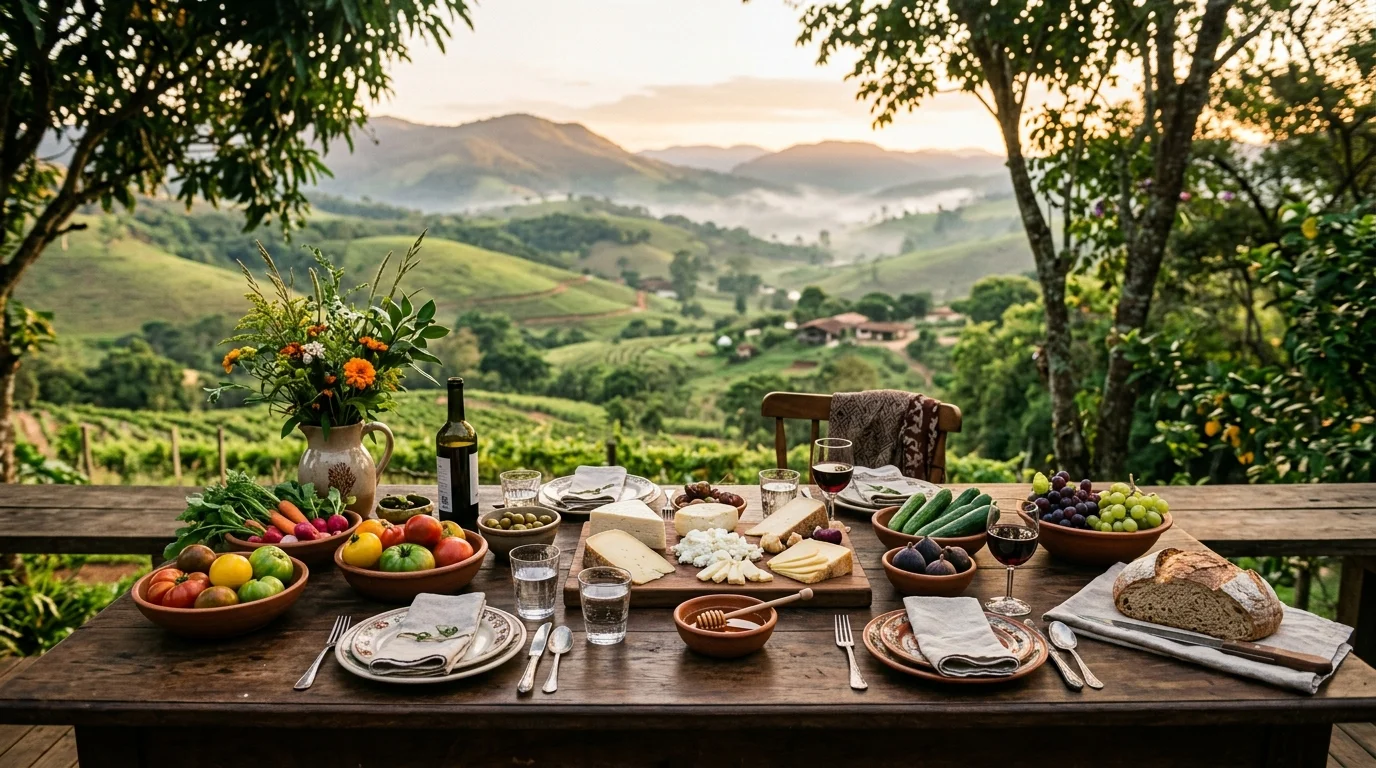
Hectic mass tourism—characterized by rushing through checklist monuments, frantic selfie-taking, and crowded tour buses—has lost its allure for mindful global travelers. In its place, a powerful cultural appetite has emerged for genuine connection, unhurried presence, and deep harmony with nature: the remarkable rise of regenerative rural tourism and authentic farm-to-table travel.
Discerning travelers no longer seek generic theme resorts isolated from the surrounding land. Modern true luxury is defined by direct contact with the soil, morning pour-over coffee crafted from micro-lots harvested on-site, naturally aged raw-milk cheeses, and the rewarding certainty that one’s trip actively contributes to ecological restoration and thriving local family farms.
Key Takeaways: What You Need to Know
- From Sustainability to Regeneration: While conventional ecotourism merely sought to minimize negative footprints, regenerative tourism demands leaving local ecosystems and community economies visibly healthier than before.
- Hyper-Local Culinary Attraction: Immersive farm-to-table journeys—where every plate highlights heirloom produce harvested minutes from the table—are flourishing across heritage agricultural regions.
- Purposeful Unplugging (Slow Travel): Trading urban cognitive overload for biophilic farm sanctuaries drives longer, restorative stays that balance thoughtful remote work with restorative well-being.
Beyond Sustainability: The Regenerative Travel Imperative
For decades, the classic conservation motto was “take only memories, leave only footprints.” While noble, that baseline is no longer enough to address habitat loss and rural cultural depopulation.
Regenerative travel flips the equation. Rather than pursuing mere neutrality, international sustainable travel frameworks and agencies like Embratur highlight journeys as active catalysts of renewal:
- Direct Community Equity: More than 80% of travel spending goes straight into the hands of family farmers, artisanal cheesemakers, and local indigenous or agrarian cooperatives.
- Hands-On Habitat Restoration: Curated itineraries invite guests to participate in native tree planting, watershed restoration, and citizen-science birdwatching.
- Preserving Heritage Agroecology: Safeguarding heirloom seeds and ancestral organic farming practices that resist industrial monoculture.
The Gastronomic Revival: Reclaiming the Truth of Origin
At the core of this movement lies genuine farm-to-table culture. This is not simply a decorative marketing label on an urban restaurant menu; it is an intimate experience where travelers participate in the harvest and understand its craft:
- Harvest-and-Dine Immersions: Visitors join chefs in morning harvests of organic vegetables, native edible herbs, and seasonal fruits that shape shared al fresco lunches.
- High-Altitude Terroir & Artisan Dairies: Guided masterclasses exploring the living microbiology of raw-milk cheeses and how volcanic or mountain microclimates influence globally awarded specialty coffees.
- Communal Long-Table Gatherings: Reviving unhurried outdoor dining, surrounded by nature and accompanied by natural low-intervention wines and rustic slow-fermented breads.
This deep culinary integration reconnects urban travelers with the natural rhythm of seasons and the hard work behind genuine food, fostering a lasting gratitude impossible to replicate in modern supermarkets.
Frequently Asked Questions (FAQ)
What is the core difference between sustainable and regenerative travel?
Sustainable tourism seeks neutrality—to do no harm and minimize ecological footprints. Regenerative tourism goes a step further: it aims for measurable net-positive impact, directly restoring degraded ecosystems, recharging local water tables, and fortifying rural community wealth.
What defines an authentic farm-to-table travel experience?
A legitimate farm-to-table experience prioritizes ingredients grown directly on the property or sourced from trusted neighbors within a tightly confined radius (typically under 50 miles). Menus evolve dynamically with daily harvest cycles, honoring natural seasonality without industrial shortcuts.
Where are the premier destinations for regenerative rural tourism?
Acclaimed destinations include the misty valleys of the Mantiqueira mountain range, artisanal cheese trails in Minas Gerais, the heritage vineyards of southern Brazil, agro-tourism routes in Espírito Santo, and community-led river eco-lodges across the Amazon and Pantanal biomes.
The Big Picture & Discussion
In a hyper-digitized world overflowing with glowing screens and relentless alerts, true human luxury is feeling the fresh morning dew underfoot, savoring food whose growers you know by name, and falling asleep to the quiet rustle of wind through open countryside.
When was the last time you traveled not just to collect passport stamps, but to truly rekindle your bond with nature and the origin of what nourishes your body?
🔗 Primary Sources & Official References:
- Embratur (Brazilian International Tourism Agency) — Regenerative travel benchmarks, community tourism, and biodiversity
- Slow Food Movement — Biodiversity preservation, smallholder farming, and agroecological heritage
- Condé Nast Traveler — Global trends in regenerative escapes, agritourism, and hyper-local culinary exploration