
There was an era when luxury in international hospitality was quantified by visible excess and theatrical grandeur: polished marble floors, towering crystal chandeliers, suited attendants pacing corridors, and lengthy rituals for every service interaction. Yet in our hyper-connected, high-stimulation world—where global executives, creators, and entrepreneurs battle perpetual cognitive overload and decision fatigue—this heavy aesthetic has come to feel exhausting, intrusive, and outdated. The ultimate privilege in contemporary travel no longer lies in what is flaunted, but in what one can successfully quiet down.
This conceptual evolution has been termed by leading industry analysts, such as the global travel intelligence platform Skift and Condé Nast Traveler, as the era of “Invisible Service” and “Silent Luxury” (Quiet Hospitality). The objective is not to diminish attentiveness, but to make it frictionless, intuitive, and devoid of performative bureaucracy: keyless check-ins without reception desks, secluded villas woven into untamed nature, and dedicated staff who anticipate needs without ever compromising a guest’s solitude.
Key Takeaways: What You Need to Know
- The Decline of Performative Luxury: Discerning travelers prioritize the reduction of mental load and sensory noise, turning away from rigid formality in favor of seamless fluidity and contemplative stillness.
- The Ascendance of Private Estates: Demand for independent, fully staffed private villas and boutique eco-lodges with on-demand amenities has outpaced monolithic, multi-hundred-room luxury resorts.
- Brazil’s Vanguard in Intentional Hospitality: Premier Brazilian regions like the Mantiqueira mountain range, Trancoso, Fernando de Noronha, and the Cerrado highlands are gaining international acclaim for restorative, biophilic retreats centered on pure tranquility.
The Concept of Invisible Service: Less Friction, Greater Autonomy
The philosophy of invisible hospitality starts with an empathetic realization: after navigating hours of transit or an exhausting work schedule, being forced to stand at a reception desk, fill out paper forms, or wait for room orientation feels like an unnecessary tax on a guest’s peace of mind.
In the vanguard of modern hospitality, discreet technology works backstage so service feels like intuition:
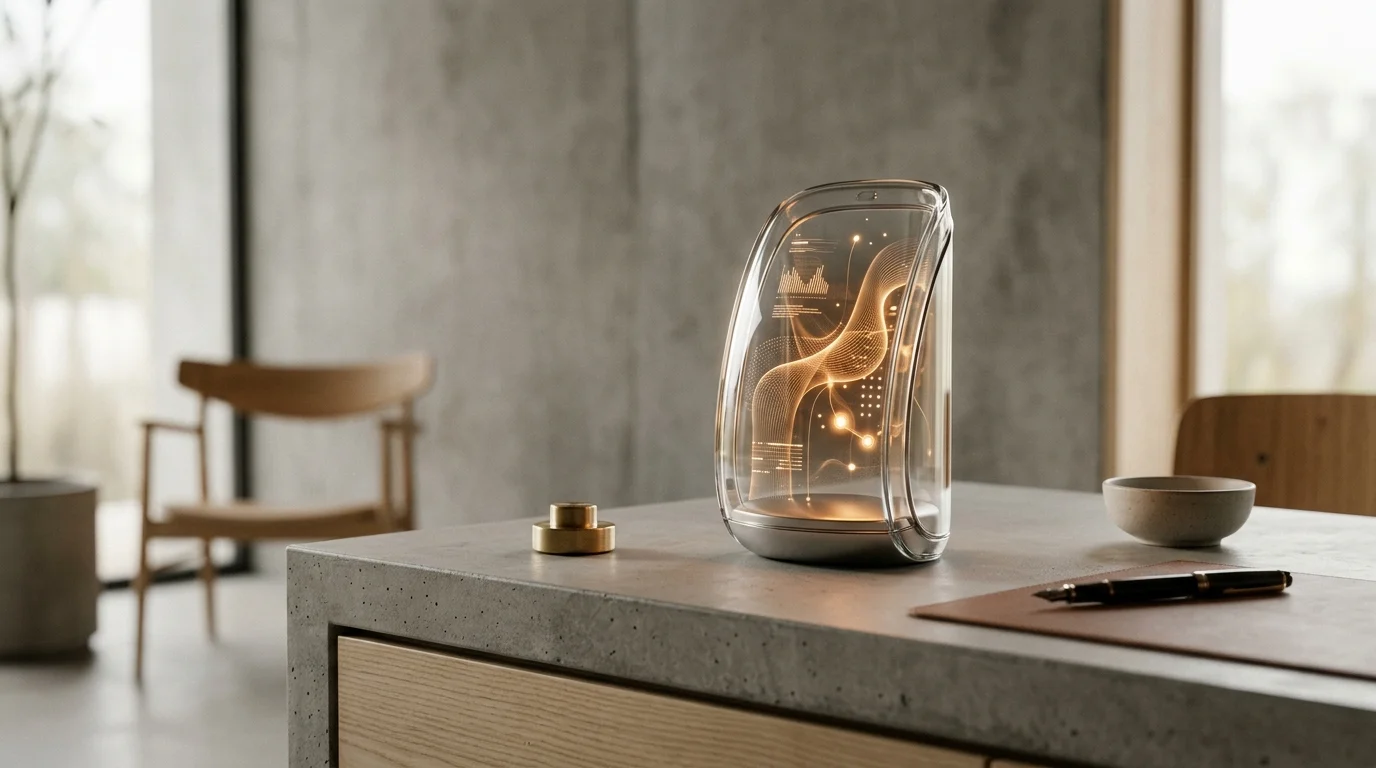
- Contactless and Keyless Access: Digital credentials or proximity sensors grant seamless access to private suites and villas, allowing guests to step directly from arrival into peaceful decompression without intermediaries.
- Pre-Arrival Personalization: Preferred room ambient temperature, personalized playlists, specific pillow options, and selected organic refreshments are thoughtfully arranged inside the villa before the guest ever crosses the threshold.
- Discreet, Real-Time Messaging: Rather than dialing an in-room telephone and waiting on hold, requests for private chef dining, spa therapies, or local excursions are handled instantly through private, direct messaging channels.
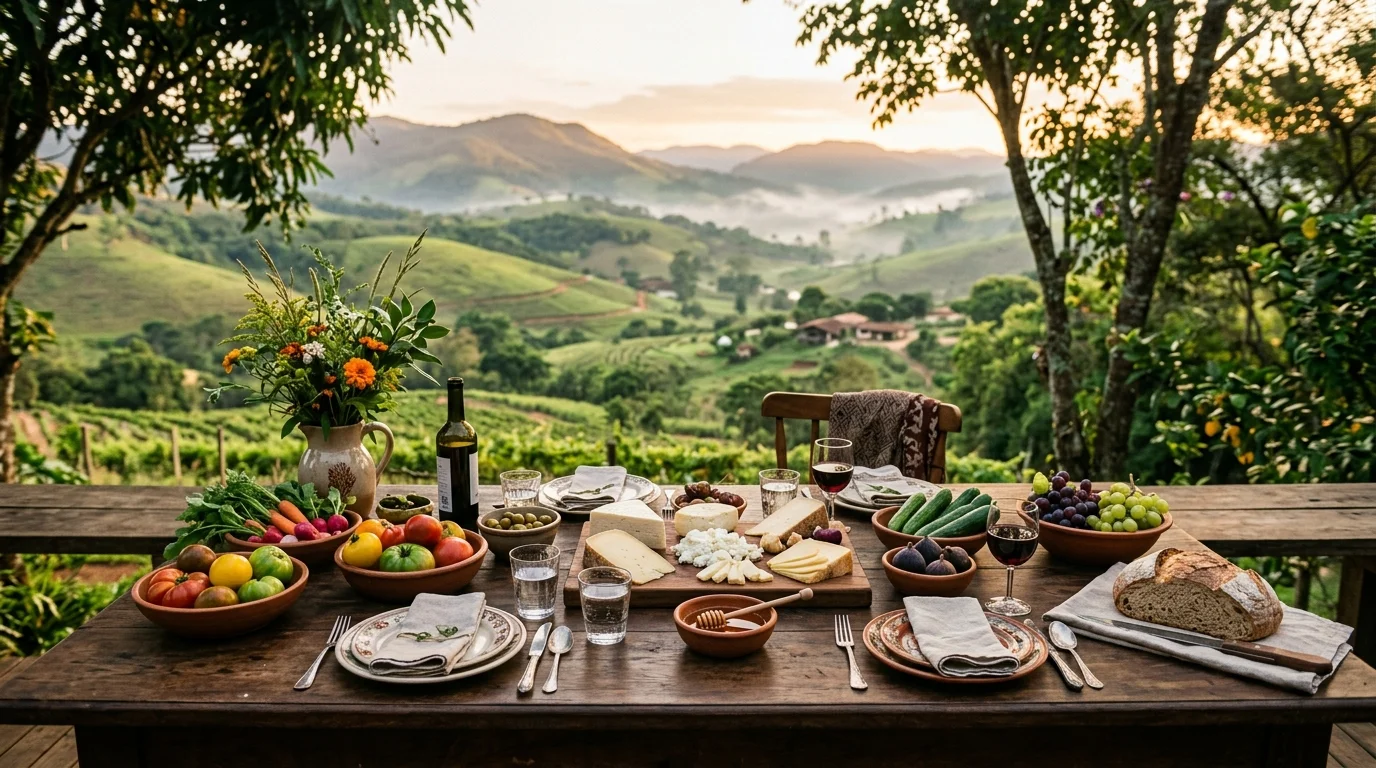
The hospitality staff is highly trained, attentive, and present, but operates with the grace of a benevolent shadow: housekeeping occurs precisely while the guest is out for a morning nature walk, and open-air breakfast spreads are arranged without disturbing an intimate conversation.
Reclaiming Silence: Private Villas Over Crowded Corridors
Another structural trend highlighted by travel industry intelligence is the decisive shift among high-net-worth travelers toward fully staffed private villas and secluded estates.
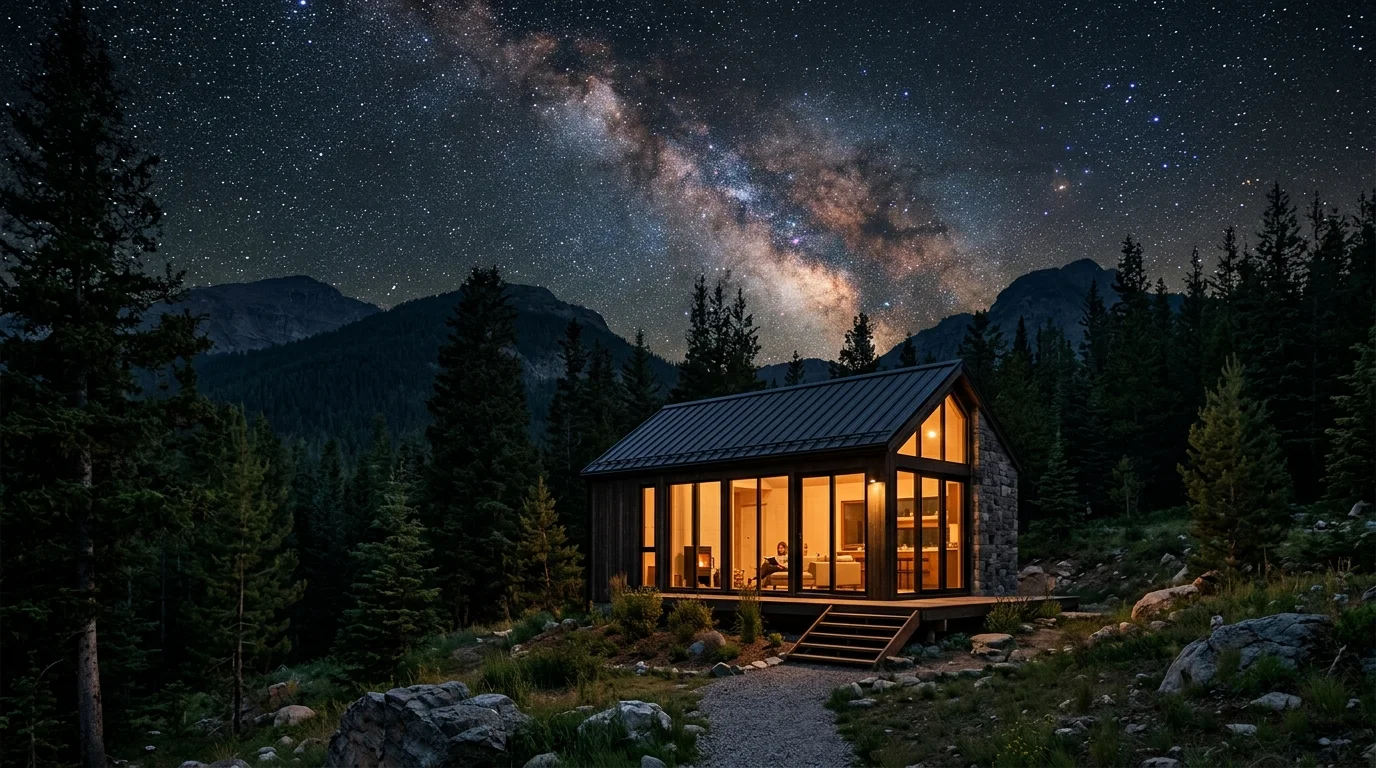
Unlike bustling hotel lobbies where unsolicited social interactions are unavoidable, private retreats grant guests absolute autonomy over their physical and mental sanctuary. Families and close travel circles enjoy private volcanic-stone pools, open-air fire pits for stargazing, and tailored culinary programs designed by private chefs using organic produce harvested directly from estate gardens.
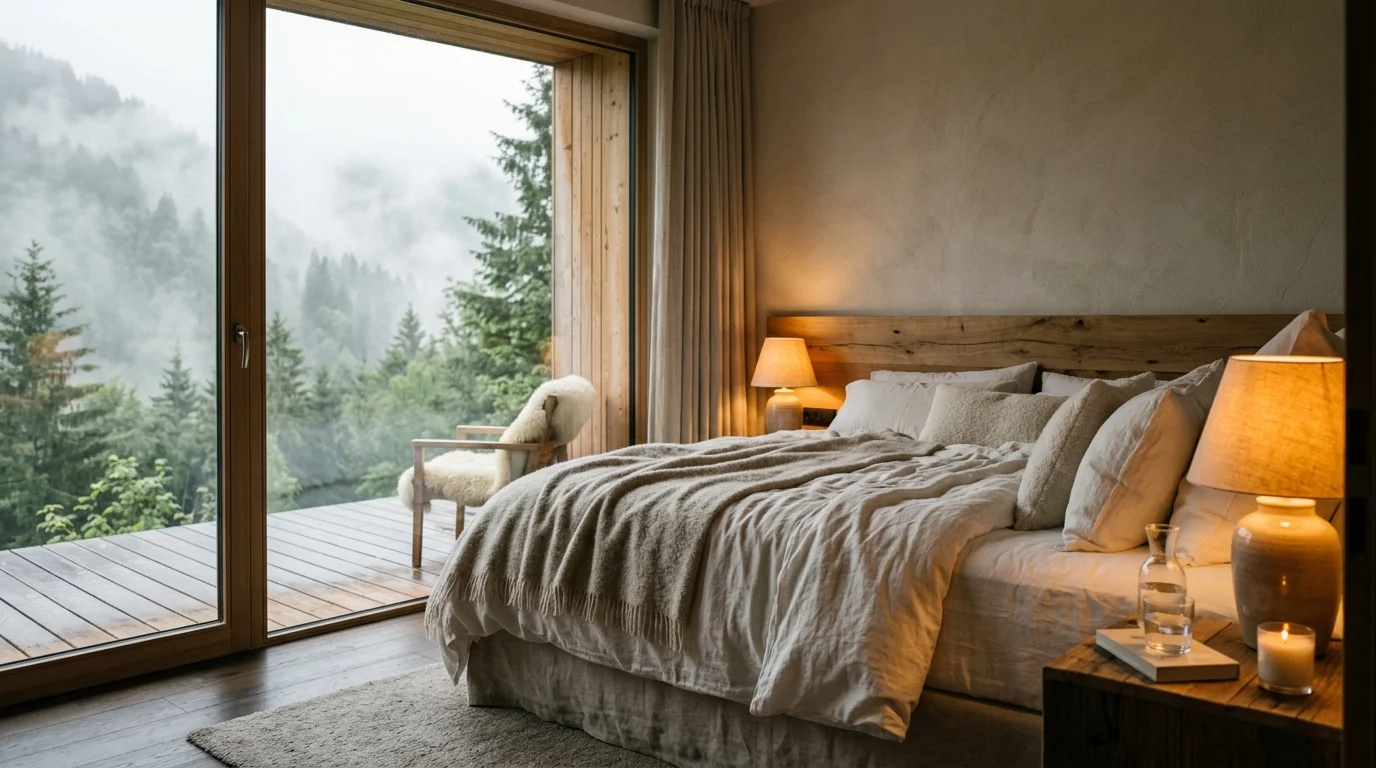
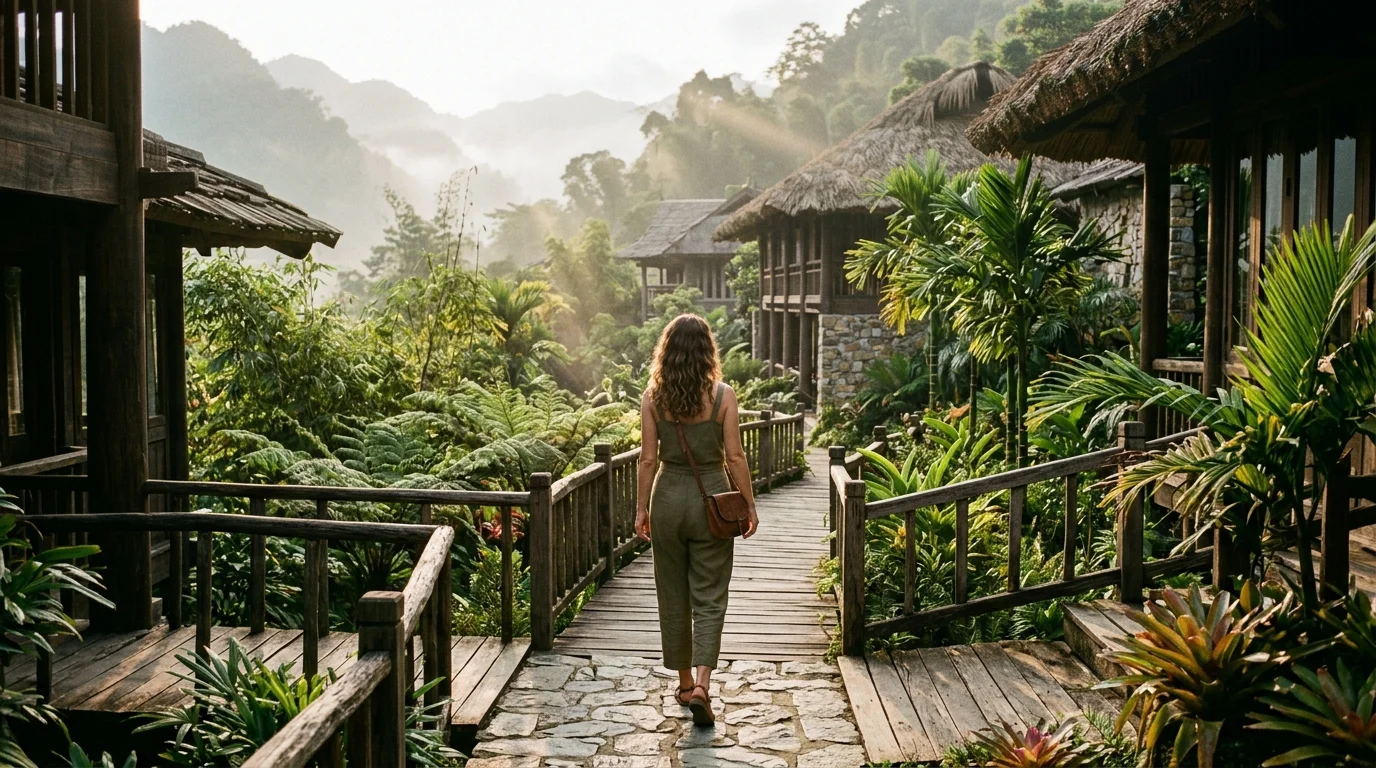
Contemporary elegance has detached itself from gilded excess to embrace the integrity of raw, noble textures: unbleached organic linen, hand-brushed native woods, handcrafted ceramics, and biophilic architectural lines that blur the boundary between indoor living and surrounding wilderness.
The Brazilian Vanguard: Mountain Sanctuaries and Rustic-Chic Coastlines
Brazil has established itself as one of the world’s most compelling laboratories for this understated hospitality movement. The synergy between majestic biodiversity and warm, unobtrusive hospitality has found expression in exceptional properties:
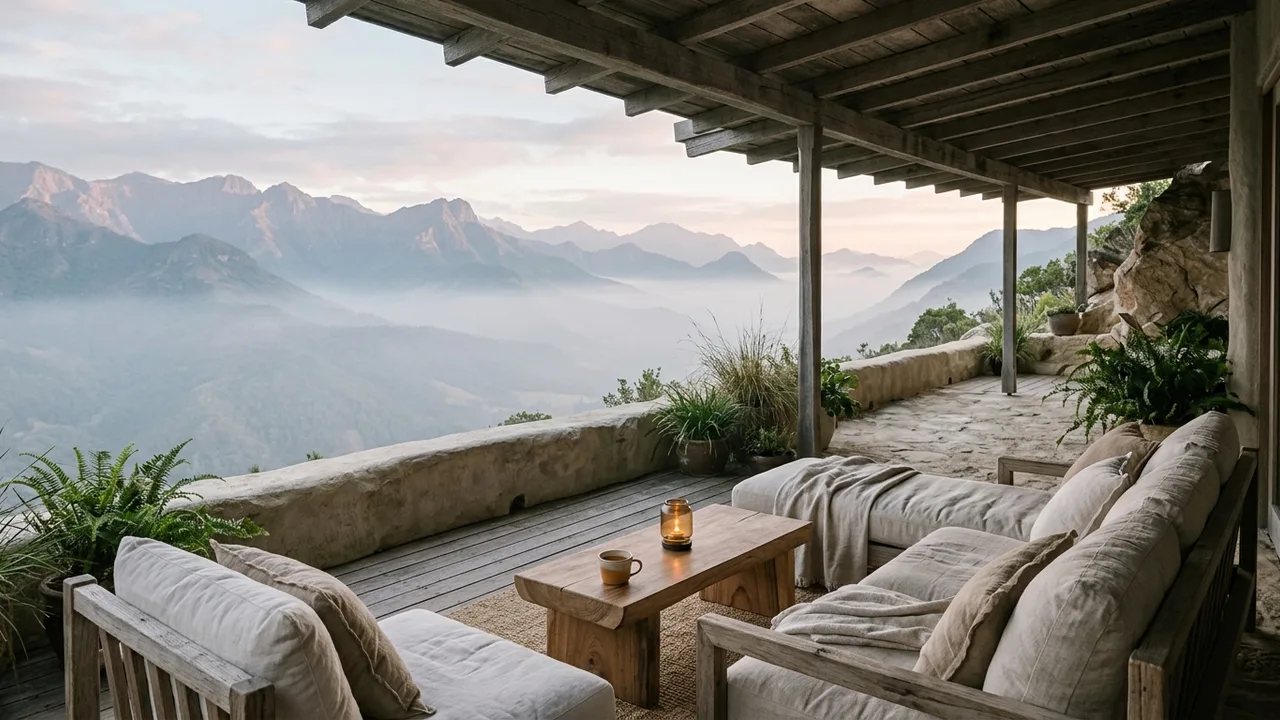
- Serra da Mantiqueira (São Paulo / Minas Gerais): High-altitude mountain sanctuaries in Santo Antônio do Pinhal, São Bento do Sapucaí, and Gonçalves feature secluded chalets with eco-fireplaces, freestanding stone soaking tubs, and artisanal breakfast baskets left softly on private verandas.
- Trancoso and Maraú Peninsula (Bahia): The Bahian rustic-chic aesthetic pioneered the philosophy that barefoot simplicity on wooden decks overlooking Atlantic cliffs carries far deeper emotional resonance than rigid metropolitan luxury hotels.
- Southern Canyons and Chapada dos Veadeiros: Ultra-luxury eco-glampings and sustainable lodges deliver profound geological immersion, where the primary nighttime spectacle is an unpolluted Milky Way and the clean whisper of highland winds.
Cognitive Wellbeing: Stillness as Neurological Recovery
Lifestyle medicine specialists emphasize that frictionless, quiet hospitality functions as a genuine neurological reset. By removing the relentless micro-decisions of everyday travel (what to wear in public lounges, how to engage socially, navigating delays), the brain’s prefrontal cortex is finally permitted to downregulate.
This restorative cognitive rest stimulates parasympathetic nervous system tone, lowers systemic cortisol levels, and repairs disrupted sleep cycles. Guests return home not simply with aesthetic photos, but with restored mental clarity and renewed creative focus.
Frequently Asked Questions
What does ‘invisible service’ mean in modern luxury hospitality?
Invisible service is a hospitality standard where guest comfort, personalization, and operational needs are met flawlessly without requiring intrusive interactions, bureaucratic check-ins, or rigid procedures. It leverages quiet automation and anticipatory service to maximize personal privacy.
What is the distinction between traditional luxury and ‘silent luxury’ in travel?
While traditional luxury leaned heavily on overt display (brand logos, extravagant interiors, and ceremonial service), silent luxury values mental serenity, authentic regional craftsmanship, unhurried time, organic cuisine, and deep respect for a traveler’s personal space.
Does invisible service mean hotels are moving toward staff-free environments?
No. Invisible hospitality is not automated self-service. It requires an exceptionally skilled, highly trained human team capable of executing world-class housekeeping, bespoke culinary experiences, and concierge logistics with absolute discretion and respect for guest privacy.
Conclusion: The Greatest Luxury Is Inner Stillness
The quiet revolution within contemporary travel reflects the evolving maturity of travelers who have experienced material abundance and realized that serene stillness is far more valuable. By trading performative extravagance for the understated elegance of nature-integrated retreats, modern guests discover that true luxury is not having everything on display, but having the freedom to need nothing more than the present moment.
What is the single most vital factor for you to feel entirely rejuvenated while traveling: complete quiet or frictionless autonomy? Share your thoughts with our team and pass this article along!
🔗 Consulted Sources & References:
- Skift — Megatrends and the rise of quiet luxury and frictionless hospitality in global travel
- Condé Nast Traveler — The evolving definition of high-end travel: private villas, heritage retreats and mindful wellness
- Hospitality Net — Invisible service and the technological evolution of boutique and luxury lodging
- Brazilian Luxury Travel Association (BLTA) — Authentic hospitality trends, sustainability, and integrated lodges in Brazil