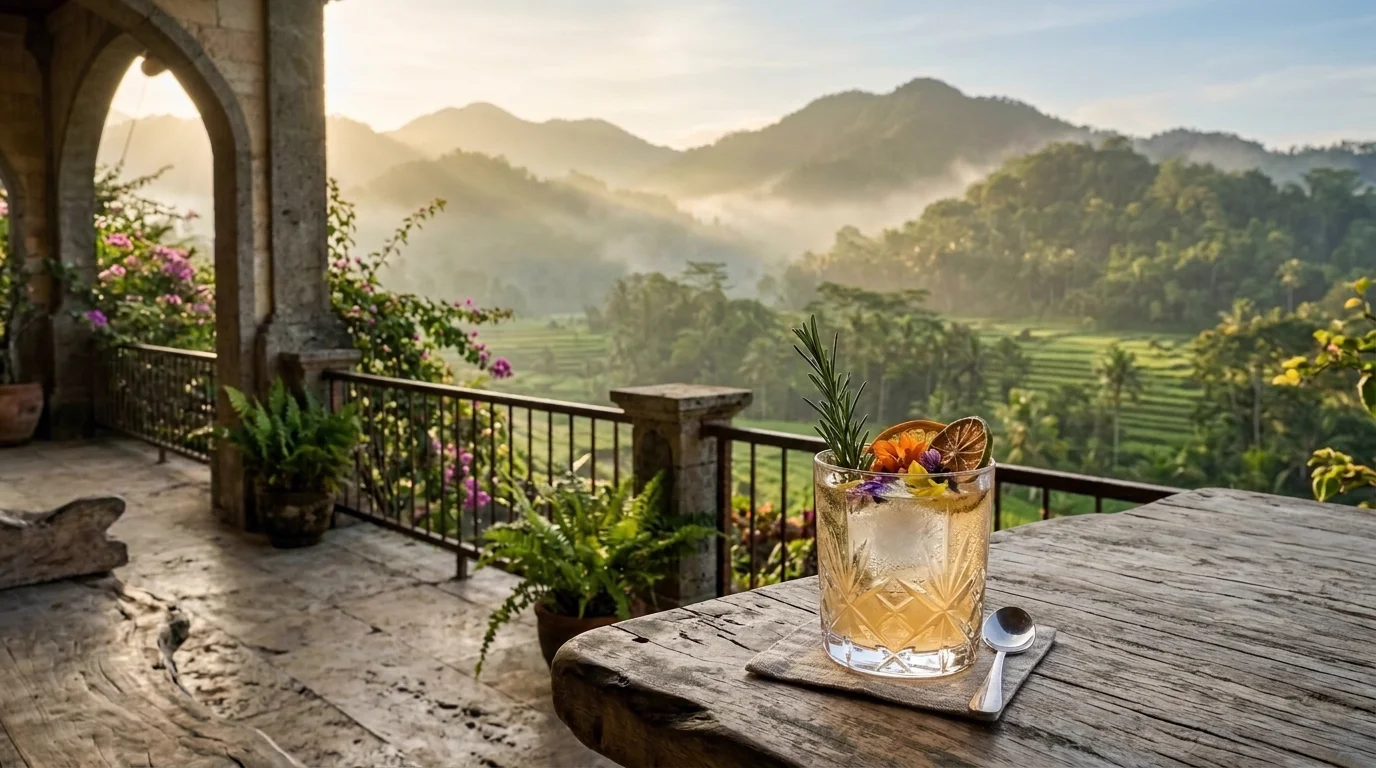


Historically, wine enthusiasts and discerning travelers based in South America who sought world-class vintages alongside sophisticated rural hospitality routinely booked long-haul flights to Tuscany, Bordeaux, or Argentina’s Uco Valley. Today, one of the most compelling revolutions in contemporary travel is unfolding just a few hours’ drive from São Paulo and Rio de Janeiro: the meteoric rise of high-altitude wine tourism in Brazil’s Serra da Mantiqueira, catalyzed by the ingenious agronomic technique of double pruning (known locally as the winter harvest or colheita de inverno).
Pioneered by Brazilian agricultural researchers at EPAMIG and Embrapa, this scientific breakthrough inverted the traditional European grapevine calendar. Instead of harvesting grapes during the tropical summer—when torrential seasonal rains dilute fruit sugars and foster fungal diseases—grape ripening and harvesting occur between June and August, a winter window characterized by crisp blue skies, cool mountain nights, and dry sunny days. This microclimate yields structured, award-winning fine wines that are capturing global acclaim.
Key Takeaways: What You Need to Know
- The Double-Pruning Breakthrough: By inverting the vegetative cycle, European varietals such as Syrah, Cabernet Franc, and Sauvignon Blanc mature under optimal dry conditions and wide diurnal temperature shifts.
- Consecutive Global Accolades: Winter harvest vintages from Mantiqueira have garnered gold medals and 95+ point ratings at the prestigious Decanter World Wine Awards.
- Regenerative Boutique Hospitality: Artisan wineries harmonize organic viticulture with biophilic architecture, curated farm-to-table dining, and restorative, low-density travel experiences.
The Science of Inverting the Grape’s Biological Clock
Tropical and subtropical viticulture has long wrestled with the summer monsoon paradox. During January and February, torrential downpours across Southeastern Brazil frequently burst grape skins and dilute the concentrated polyphenols essential for crafting age-worthy, complex wines.
The double pruning technique elegantly resolved this barrier through controlled biological timing:
- First Pruning (August/September): Stimulates initial vegetative vine growth, developing robust foliage while discarding premature floral buds.
- Second Strategic Pruning (January/February): Executed at the peak of midsummer, triggering a fresh reproductive cycle that blooms in autumn, leaving berries to ripen slowly under calm winter conditions.
This produces a ripening microclimate that mirrors idyllic Mediterranean summers: clear sunny days with mild daytime highs (22°C to 25°C) followed by mountain nights where temperatures plummet to 5°C to 10°C. This extreme diurnal temperature variation preserves natural crisp acidity while promoting velvety tannins and intense aromatic complexity.
Mantiqueira’s Terroir: Boutique Estates Shaping the Landscape
The boundary regions straddling the states of São Paulo and Minas Gerais—including towns like Espírito Santo do Pinhal, São Bento do Sapucaí, Gonçalves, and Santo Antônio do Pinhal—form the epicenters of this dynamic wine trail.
Unlike mass-production commercial viticulture, Mantiqueira’s model is defined by its boutique scale. Most properties span only 5 to 25 hectares, with limited-run cuvées vinified in small stainless-steel tanks, concrete eggs, or French oak barriques under the guidance of internationally experienced winemakers.
Red varietals like Syrah have emerged as the regional benchmark, expressing mineral depth, cracked black pepper, and concentrated dark fruit notes. Among whites, high-altitude Sauvignon Blanc grown above 1,100 meters exhibits a vibrant citrus acidity and mineral salinity that rival premier bottlings from Sancerre or Marlborough.
Regenerative Wine Tourism: Beyond the Glass
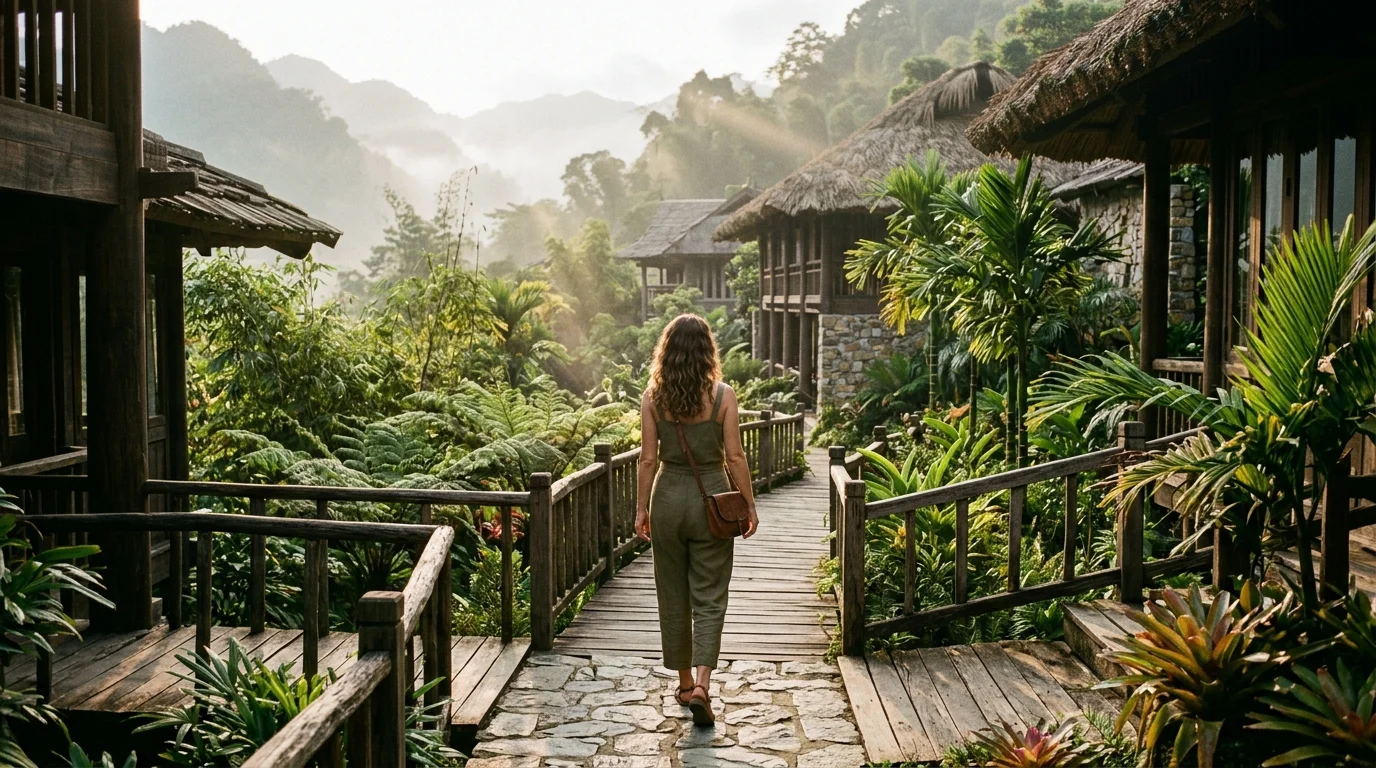
What distinguishes Mantiqueira’s wine destinations for global travelers is their deep commitment to regenerative travel. Guided by ecological stewardship, these estates do not function merely as commercial tasting rooms, but as agroecological sanctuaries nested within the biodiverse Atlantic Forest biome.
Signature experiences include:
- Viticultural Field Walks Led by Enologists: Guided walks through terraced hillside vineyards where guests discover native groundcover management, organic composting, and natural spring preservation.
- Estate-Grown Farm-to-Table Gastronomy: Seasonal multi-course tasting menus orchestrated by renowned chefs, celebrating local artisanal goat cheeses, cold-pressed olive oils from adjacent groves, and wild mushrooms foraged on the estate.
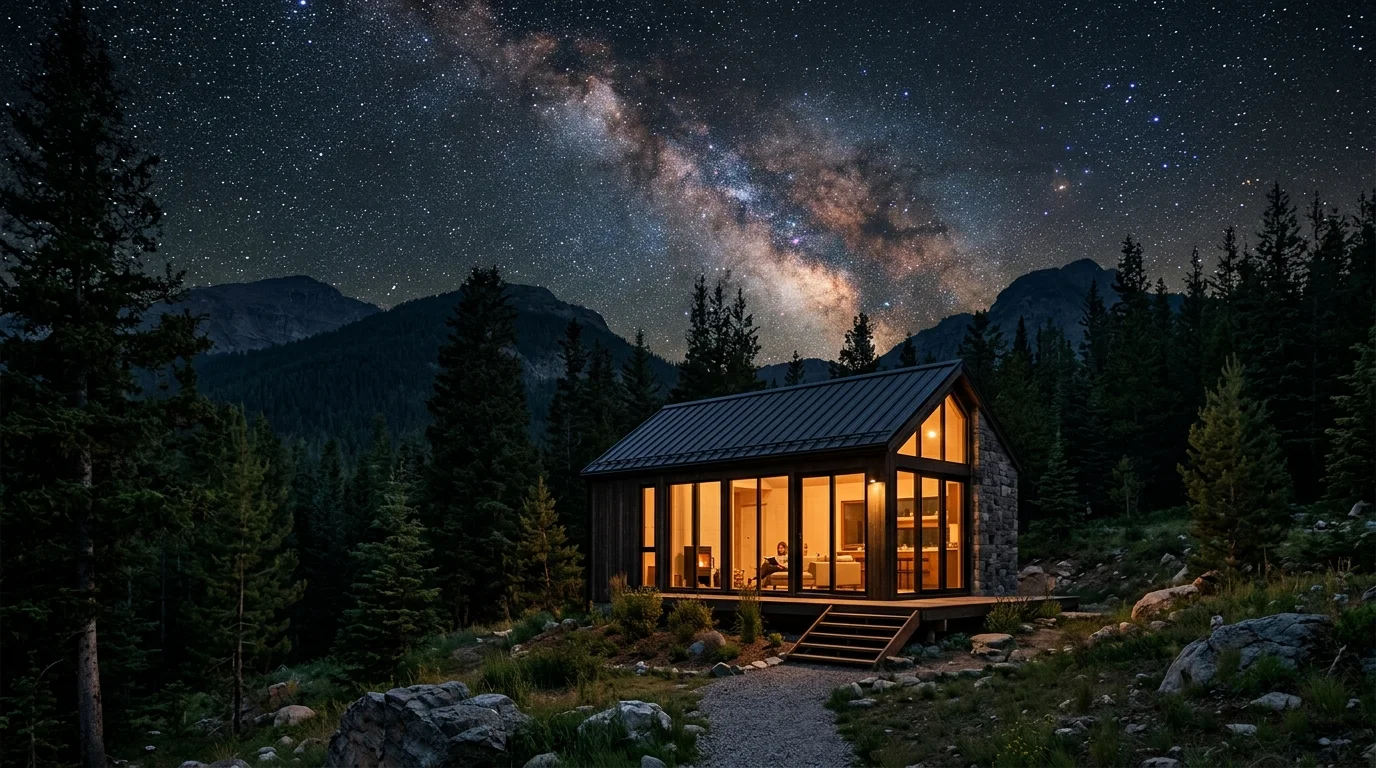
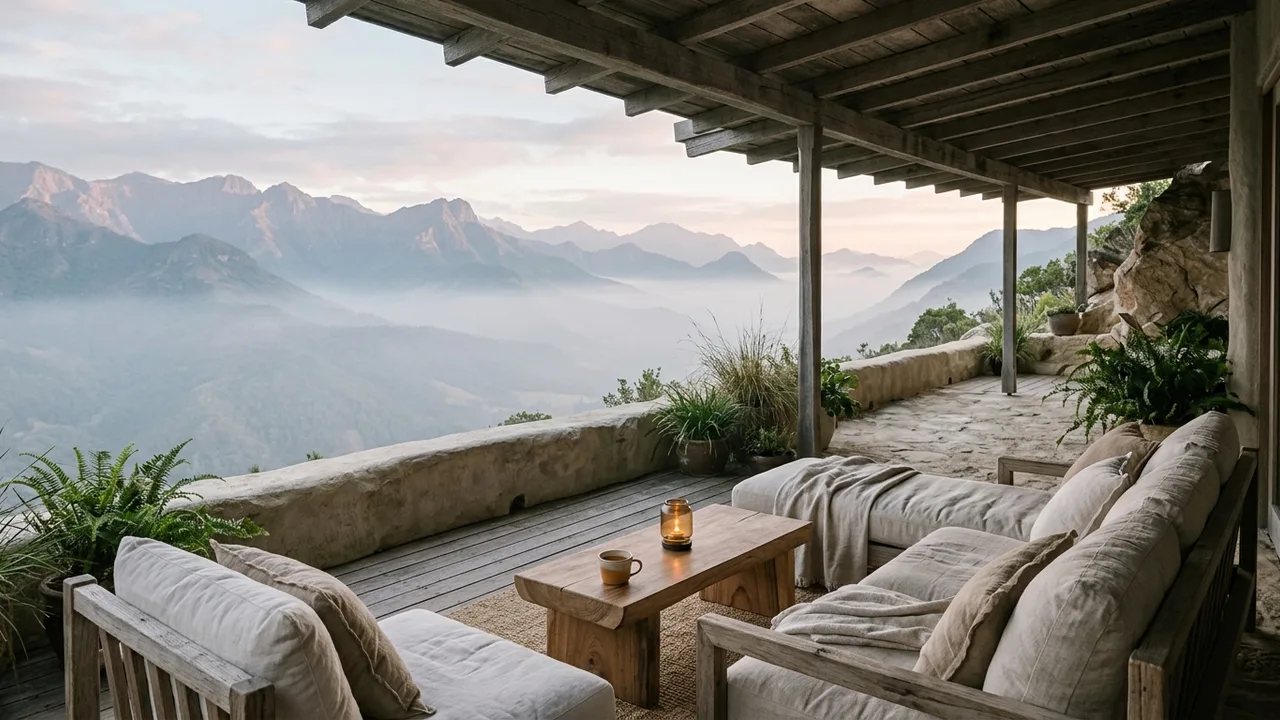
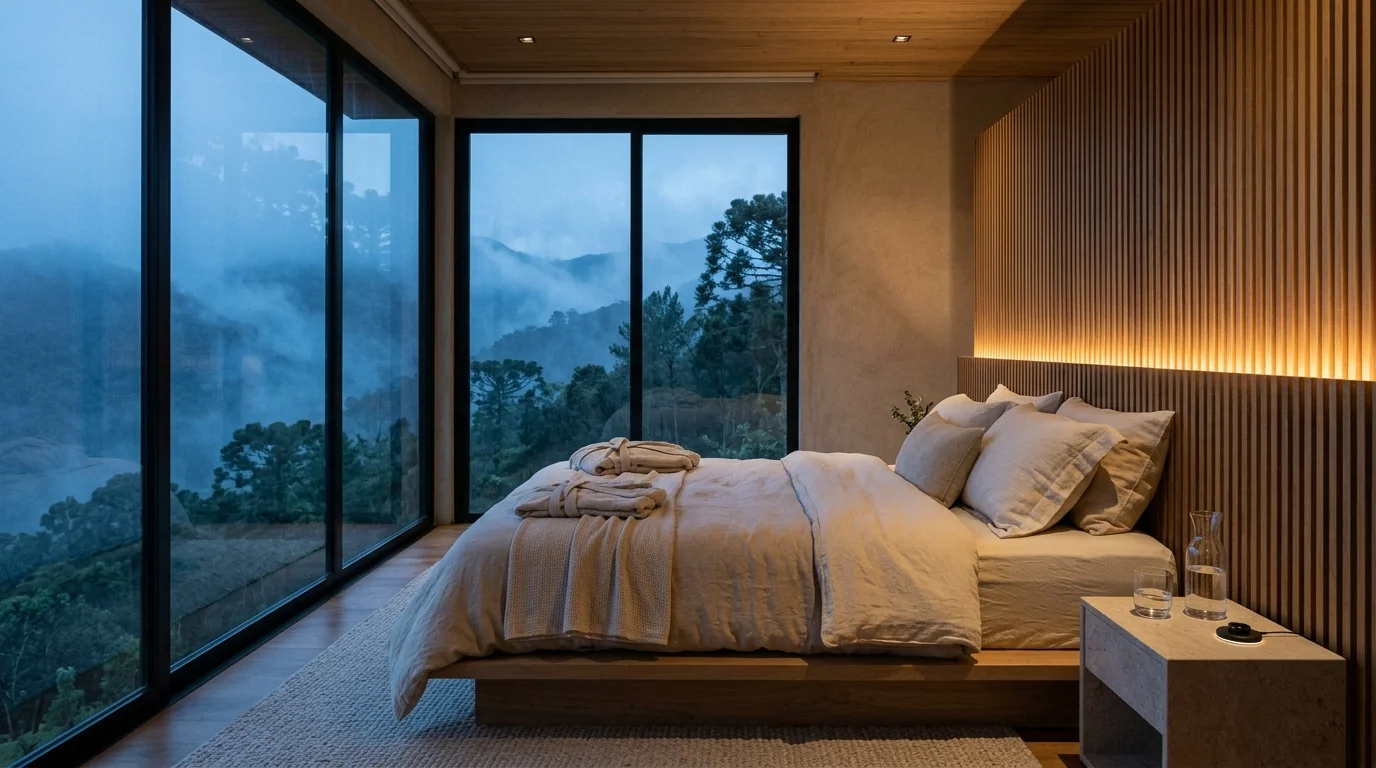
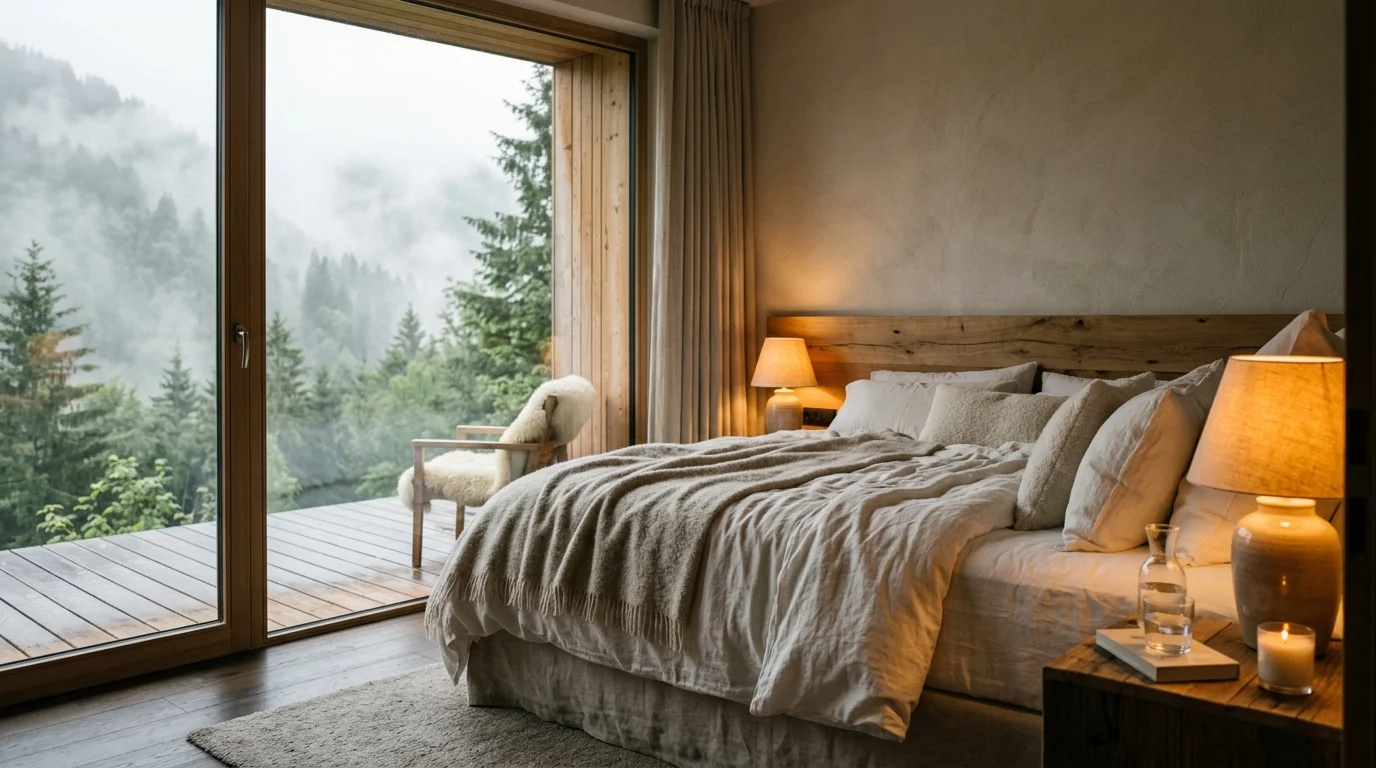
- Biophilic Architecture and Mountain Chalets: Intimate eco-lodges constructed from reclaimed local timber and indigenous granite, featuring open fireplaces, private plunge pools, and uninterrupted mountain panoramas without light or noise pollution.
Practical Travel Tips for the Winter Wine Route
To make the most of a luxury getaway across the Mantiqueira wine trail, hospitality specialists advise planning ahead:
- Prime Visiting Window: May through September offers the driest, most predictable mountain climate, characterized by warm sunny days and brisk evenings. The winter harvest (vindima) typically runs from late June through early August, when the vineyards look their most majestic.
- Advanced Reservations Are Essential: Because boutique wineries intentionally limit tastings to small private groups to preserve intimacy, reservations should be secured weeks in advance.
- Private Transport Arrangements: Navigating the scenic, winding mountain roads is best done by arranging private drivers or estate transfer services, enabling guests to indulge in wine tastings with total peace of mind.
Frequently Asked Questions
What does “winter harvest” mean in Brazilian winemaking?
It refers to the double pruning method that shifts the grape maturation and harvest period to the dry winter months (June to August), avoiding summer rains and taking advantage of sunny days and cool mountain nights.
Are Mantiqueira wines internationally recognized?
Yes. Multiple boutique wineries from the region have earned gold and platinum medals at international competitions, notably the Decanter World Wine Awards, frequently scoring 95 points or higher.
Which grape varietal is the regional star?
Syrah is the flagship red varietal of the Serra da Mantiqueira, producing structured, aromatic, and complex wines. Among white grapes, Sauvignon Blanc is widely regarded as the finest expression.
🔗 Consulted Sources & References:
- EPAMIG (Agricultural Research Company of Minas Gerais) — Scientific research detailing double pruning agronomics and tropical winter viticulture.
- Embrapa Grape & Wine — Technical publications on high-altitude soil management and precision viticulture.
- Decanter World Wine Awards — Official judging records and international scoring for awarded Brazilian wines.
- Condé Nast Traveler — Editorial features exploring emerging luxury travel destinations and mountain wine retreats.
The flourishing of Brazil’s winter harvest proves that agronomic brilliance combined with environmental care can create an extraordinary travel destination. Have you experienced high-altitude boutique wine tourism in the Mantiqueira mountains? Share your memories and travel recommendations below.