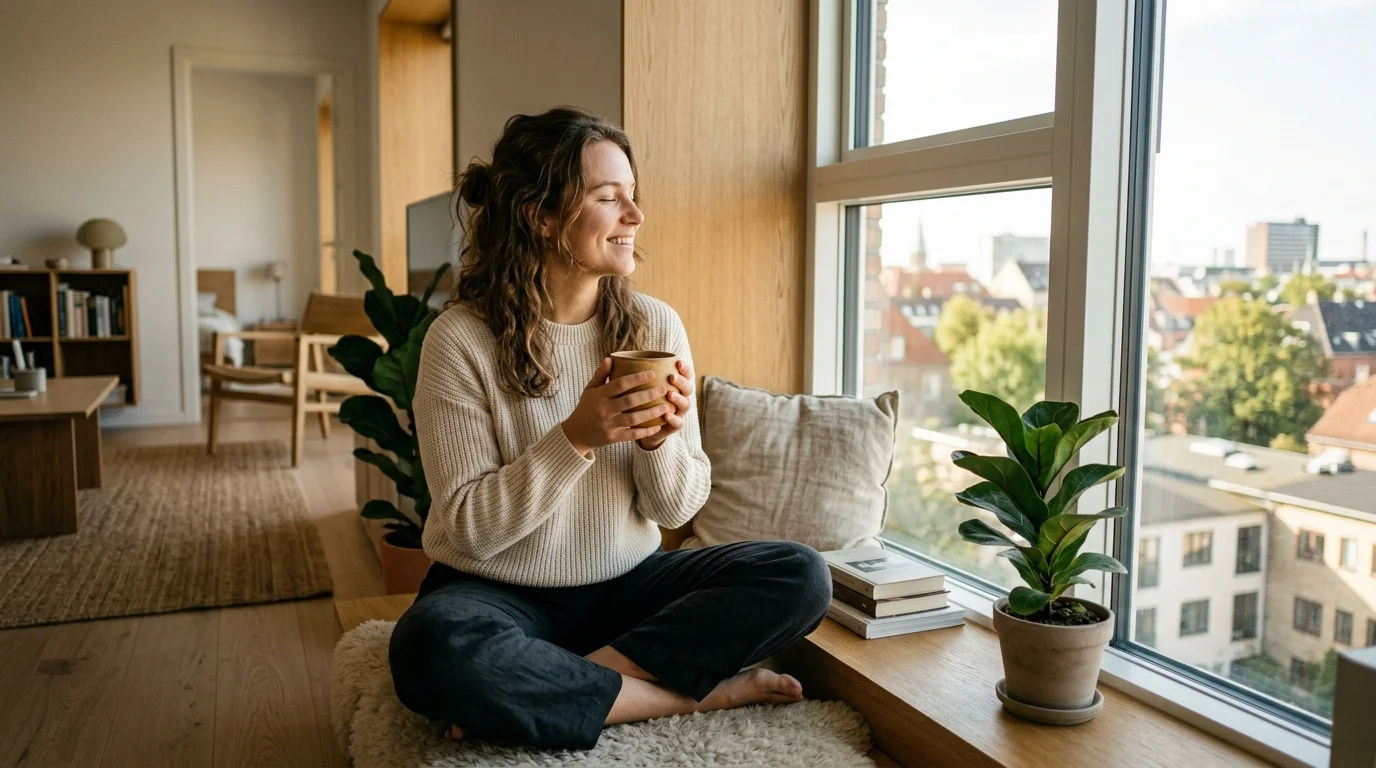


For well over a decade, mobile dating applications reigned supreme as the undisputed gateway to modern romance, intimacy, and metropolitan socializing. Promising an infinite catalog of potential partners at the flick of a thumb, platforms such as Tinder, Bumble, and Hinge transformed romantic exploration into a hyper-gamified, algorithmically curated, and seemingly frictionless experience. Yet what originally debuted as a triumph of digital convenience has rapidly culminated in widespread emotional exhaustion: the universally recognized phenomenon of dating app burnout.
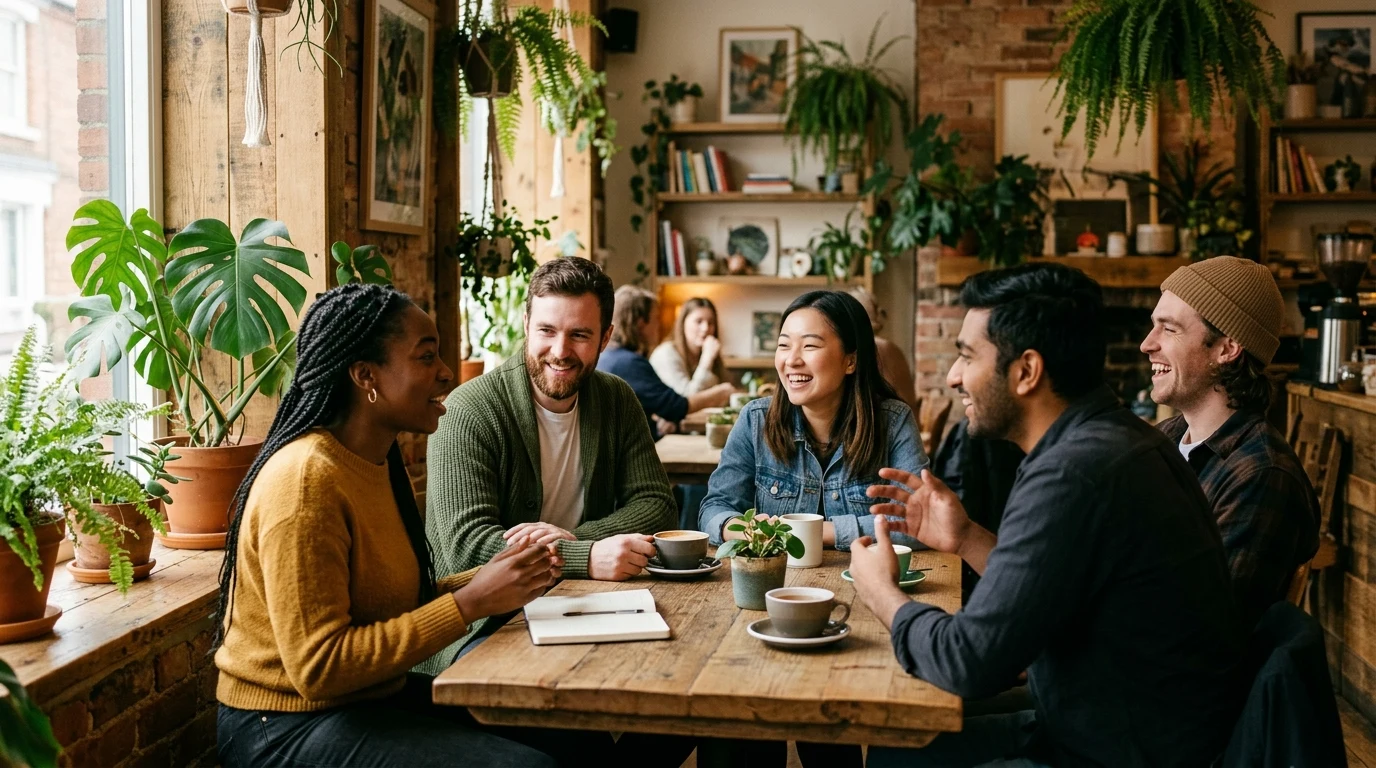
The soul-draining repetition of shallow icebreakers, the epidemic of sudden ghosting, and the dehumanizing sensation of being reduced to disposable inventory in an endless digital marketplace have triggered an unprecedented backlash. Across bustling capitals—from São Paulo and Buenos Aires to London and New York—singles spanning Gen Z to seasoned professionals over 40 are deliberately deleting their accounts. In their place, a cultural counter-revolution is surging: the Slow Dating movement. Instead of evaluating filtered photos on backlit glass, modern urbanites are choosing to slow down and reconnect face-to-face in the real world (in real life).
Key Takeaways: What You Need to Know
- The Collapse of Infinite Swiping: Sociological surveys indicate that over 78% of active dating app users experience chronic cognitive fatigue, emotional detachment, and heightened anxiety stemming from algorithmic matchmaking.
- The Viral Rise of Timeleft: Social discovery platforms that seat groups of five or six strangers together for weekly group dinners without smartphones routinely sell out across more than 100 global metropolitan markets.
- Reviving Analog Chemistry: Slow Dating rejects the “paradox of choice,” emphasizing attentive listening, direct eye contact, and unscripted conversation in relaxed public settings.
The Paradox of Choice and Algorithmic Exhaustion
To understand why millions of singles are pulling the plug on dating apps, one must examine the core architecture of these platforms. Structured under the psychological mechanics of digital casinos, dating algorithms leverage variable intermittent rewards and push notifications engineered specifically to maximize screen time. The platform’s business model does not prioritize helping users find a lasting, healthy partnership—doing so permanently deletes two paying subscribers from their monthly recurring revenue stream.
This dynamic directly breeds what social psychologists define as the paradox of choice: when presented with thousands of superficially accessible profiles within a five-mile radius, users fall prey to the persistent illusion that “someone slightly more compatible or physically attractive is just one swipe away.” This perpetual FOMO paralyzes genuine commitment, encourages instant disposal at the mildest disagreement, and reduces intimate courtship to a tedious corporate interview questionnaire.
Dinners with Strangers: The Offline Phenomenon Captivating Cities
Rejection of transactional digital romance has sparked a dramatic revival of humanity’s oldest social bonding ritual: breaking bread around a shared dinner table. The most prominent flagbearer of this movement is the meteoric ascent of Timeleft.
Conceived in Europe and rapidly taking root in Latin America’s most vibrant capitals, the platform subverts standard dating mechanics:
- Zero Photos, Zero Profiles, Zero Swiping: Users cannot browse or vet fellow participants beforehand. They simply answer an introspective personality and values questionnaire.
- Collective Compatibility Matching: Proprietary algorithms analyze behavioral traits to assemble an emotionally balanced table of five to six compatible individuals every Wednesday evening.
- Secret Venues Revealed on Game Day: Diners only receive the bistro or restaurant address a few hours before the dinner, meeting their companions for the very first time when pulling out their chairs.
- Zero Forced Romantic Pressure: Because the gathering is fundamentally framed around community bonding and authentic conversation, the suffocating performance anxiety of a traditional two-person blind date vanishes, allowing organic romantic chemistry to blossom naturally.
The overwhelming demand for screen-free connection has catalyzed an entire ecosystem of offline alternatives: singles run clubs, silent reading soirees in boutique libraries, artisanal pottery classes, and natural wine tastings where smartphones remain firmly tucked away in bags.
The Philosophy of Slow Dating and Reclaiming Emotional Depth
Contrary to misconceptions, Slow Dating is not about dragging out milestones through artificial slowness; it is about uncompromising intentionality. Instead of juggling twenty superficial text threads on messaging apps, practitioners of Slow Dating invest their finite emotional energy into one person at a time, actively tuning into voice inflections, body language, shared laughter, and spontaneous presence.
Relationship therapists and mental health advocates view this transition as a healthy maturation of our post-digital culture. Following years of hyper-connected isolation and algorithmically mediated social interactions, singles worldwide are rediscovering that real human affection cannot be quantified by compatibility percentages: it thrives in unscripted moments, shared silences, and the vulnerability of looking directly into someone’s eyes across a candlelit table.
Frequently Asked Questions (FAQ)
What is the core philosophy behind Slow Dating?
Slow Dating is a conscious, mindful approach to romance that counters the disposable, high-speed culture of traditional swipe apps. Rather than treating dating as a high-volume numbers game, it emphasizes physical presence, deep communication, and giving connections sufficient time to develop naturally without arbitrary checklists.
How does the Timeleft dinner with strangers concept work?
Members register on the platform, complete a personality and lifestyle assessment, and reserve a seat. The algorithm groups five to six compatible individuals to share a meal at a curated local restaurant every Wednesday night. The location is revealed only hours prior, and participants meet face-to-face with zero prior digital interaction.
Are these offline gatherings strictly for people seeking marriage or serious relationships?
No. The core appeal of these gatherings lies in their utter lack of pre-assigned labels. Many participants attend simply to expand their social circle, make new city friends, or enjoy an engaging evening of thoughtful food and conversation. It is precisely within this pressure-free, welcoming atmosphere that genuine romantic connections most frequently emerge.
Conclusion: The Courage to Be Present
The decline of transactional dating apps and the triumph of offline group dinners signal a return to an enduring truth: no sophisticated algorithm can replicate the warmth of an unprompted laugh across a dinner table or the electric spark of real human chemistry.
Have you experienced dating app burnout in your own life? Would you take the leap of dining with five strangers with your phone turned completely off? Leave your thoughts in the comments below!
🔗 Consulted Sources & References:
- Timeleft Global — The dinner with strangers phenomenon and the rebuilding of urban social fabrics
- WGSN Consumer Lifestyle & Culture — The Year of Redirection: Dating app fatigue, intentional romance, and offline third spaces
- Fast Company — Why Gen Z and Millennials are deserting swipe culture for real-world connection
- American Psychological Association (APA) — Research on digital loneliness, app-mediated courtship, and interpersonal well-being