
There was a time when the daily online routine for hundreds of millions of people was straightforward: open a favorite social app, post an unedited snapshot or spontaneous thought to the public feed, and enjoy reciprocal validation through likes and comments from real acquaintances. Today, that behavior feels like an artifact from an earlier digital epoch.
In Brazil—consistently one of the world’s most hyper-connected and socially active online populations—a quiet yet seismic cultural transformation has reached full velocity: the collapse of the open public feed. Burned out by aggressive algorithmic video recommendation engines, unrelenting commercial sponsorships, and the looming fear of viral polarization, everyday users have stopped posting publicly.
In place of the digital town square, genuine human attention has retreated into private micro-communities: gated Close Friends stories, moderated Discord servers, tight WhatsApp affinity circles, and niche spaces built around authentic mutual passions.
Key Takeaways: At a Glance
- •From Social Networks to Algorithmic Media: Platforms like Instagram and TikTok have transitioned from social connection graphs into algorithmic broadcast media engineered purely for passive entertainment and retention.
- •The Dominance of “Lurking”: Consumer behavioral metrics reveal that over 70% of active users on public platforms rarely or never post to open feeds, reserving virtually all active interactions for private direct messages (DMs).
- •The High Value of Trusted Communities: Human-moderated micro-groups have become the new frontier of authenticity, cultural belonging, and high-converting commercial influence.
From Social Network to “Algorithmic Broadcast”: Why the Feed Broke Down
To understand user exhaustion, one must examine the architectural pivot orchestrated by major tech companies over recent years. By prioritizing TikTok’s distribution blueprint—where machine learning models determine content exposure strictly based on algorithmic watch-time signals rather than personal social graphs—the feed evolved into a cognitive slot machine.
The unintended consequence was the systemic erosion of authentic human relationships:
- Synthetic Content Overload: Feeds no longer showcase updates from peers, family, or colleagues; they are saturated with professional influencers, corporate brand experiments, and AI-generated trend cycles;
- Performative Anxiety: Publishing to an open feed now demands polished production quality, triggering self-censorship, stage fright, and fear of professional or social reprisal;
- Cognitive Doomscrolling Fatigue: Hours lost scrolling through rage-baiting controversies and superficial trends have sparked widespread digital hangovers and a deliberate quest for disconnection.
Industry research compiled by Meio & Mensagem and Consumidor Moderno reveals that over 80% of daily digital shares in Brazil now occur within private messaging ecosystems and closed groups rather than public timelines.
The Rebirth of Belonging: How Micro-Communities Operate
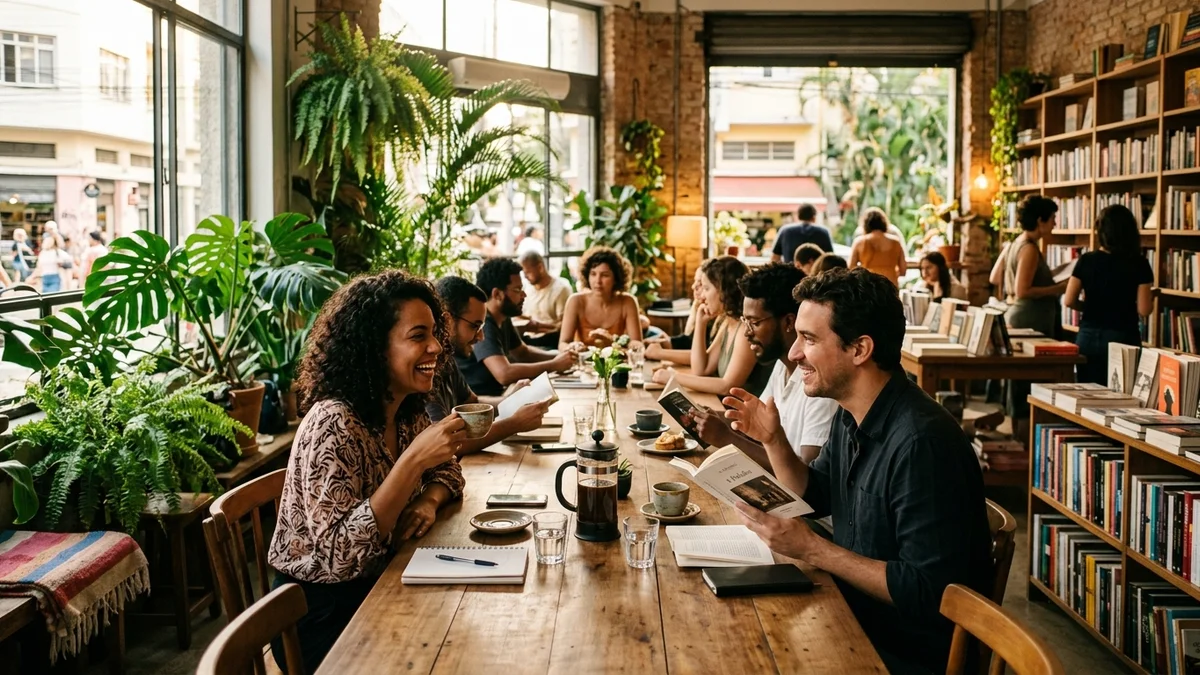
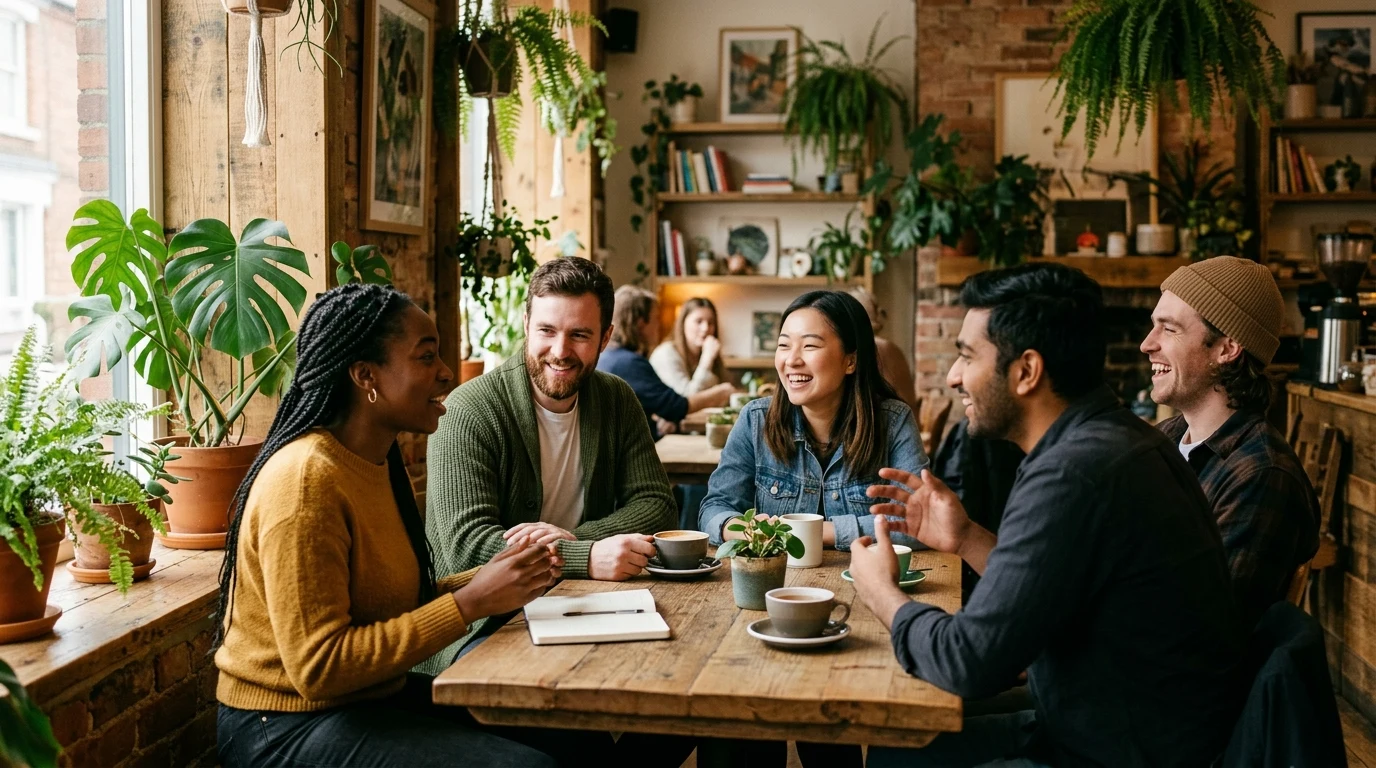
Repelled by the shallowness of the digital public square, users are congregating in intimate, private rooms. A micro-community is not defined by raw member counts (often numbering between 30 and 500 participants), but by conversational depth, shared vulnerability, and aligned values.
This cultural realignment is flourishing across multiple expressions:
- Book Clubs, Running Crews, and Wellness Circles: Private WhatsApp and Telegram groups engineered specifically to facilitate offline gatherings in cafes and parks, using digital tools merely as an on-ramp to tangible human presence;
- Specialized Discord Havens: Spaces where developers, designers, investors, and craftspeople exchange deep technical feedback free from the burden of building a public personal brand;
- Curated Broadcast Channels: Writers and independent creators abandoning algorithm optimization to converse directly with committed audiences via private newsletters and gated audio channels.
In these spaces, social currency is earned not through vanity follower metrics, but through thoughtful contributions, empathy, and mutual reliability.
The Strategic Reckoning for Brands and Creators
For marketing leaders, advertisers, and digital strategists, this behavioral migration invalidates a decade of conventional playbooks. For years, the default strategy was buying scale: pouring budgets into celebrity influencer sponsorships boasting tens of millions of followers.
Today, that paradigm is faltering:
- Collapsing Megaphone Conversions: Modern audiences have developed acute banner blindness toward overt sponsorships and increasingly distrust celebrity endorsements detached from organic usage;
- The Rise of Community Stewards: Trusted community moderators and micro-curators deliver engagement and conversion rates up to five times higher than generic mass-market influencers;
- Hospitality-First Marketing: Forward-looking brands are transitioning from intrusive advertisers to supportive hosts. The priority is now underwriting community experiences, sponsoring IRL gatherings, and respecting consumers’ finite attention.
The Luxury of Silence and Presence
In an attention economy where every idle second is aggressively monetized by retention algorithms, the ultimate contemporary luxury has become relative anonymity and unguarded presence.
The retreat into micro-communities is not an anti-technology rebellion, but a necessary cultural maturation. Users are not walking away from internet connectivity; they are reclaiming digital tools as instruments to nurture genuine human bonds rather than platforms for continuous surveillance and performative comparison.
Frequently Asked Questions (FAQ)
What defines “algorithm fatigue”?
Algorithm fatigue describes the cognitive burnout users experience from relentless exposure to hyper-personalized, short-form algorithmic video feeds and synthetic trends, leading to digital exhaustion and an intentional retreat from open social media platforms.
Why have everyday users stopped posting to public feeds?
Users have withdrawn from open posting due to performative anxiety, commercial feed congestion, fear of public scrutiny, and the fundamental shift of major platforms from personal social networks into broadcast entertainment channels.
How can brands engage effectively within private micro-communities?
Brands should avoid intrusive advertising and instead provide tangible community value: funding local meetups, sharing proprietary research, supporting niche cultural initiatives, and honoring the privacy boundaries of gated groups.
🔗 Referenced Sources:
- WGSN Consumer Tech & Lifestyle Trends — Global Briefing on Digital Intentionality and the Post-Broadcast Social Landscape
- Meio & Mensagem — Studies on Brazilian Digital Habits and the Shift toward Dark Social and Private Messaging
- Consumidor Moderno — Consumer Research on Intentional Attention and Offline Community Building
- Nielsen Brazil / Digital Consumer Insights — Metrics on Messaging Engagement and Private Social Graph Trends