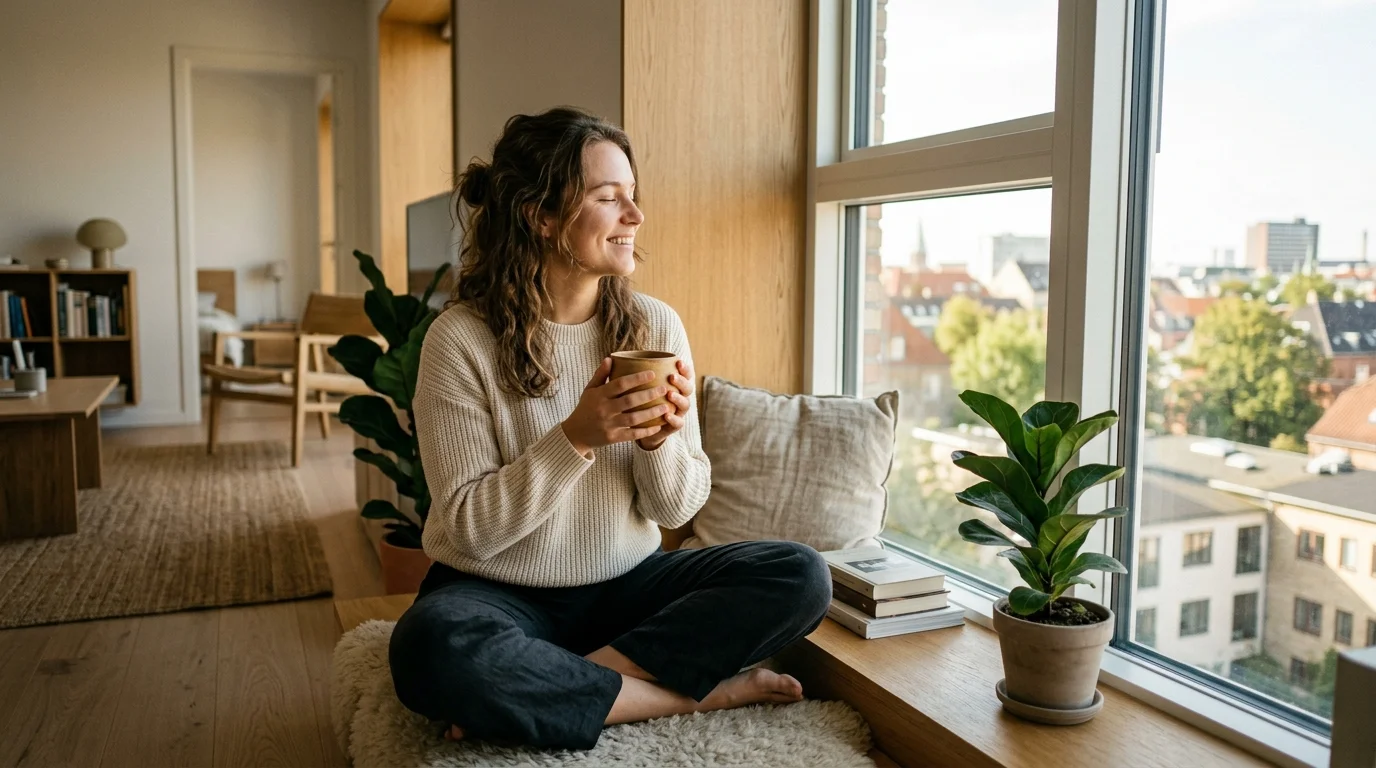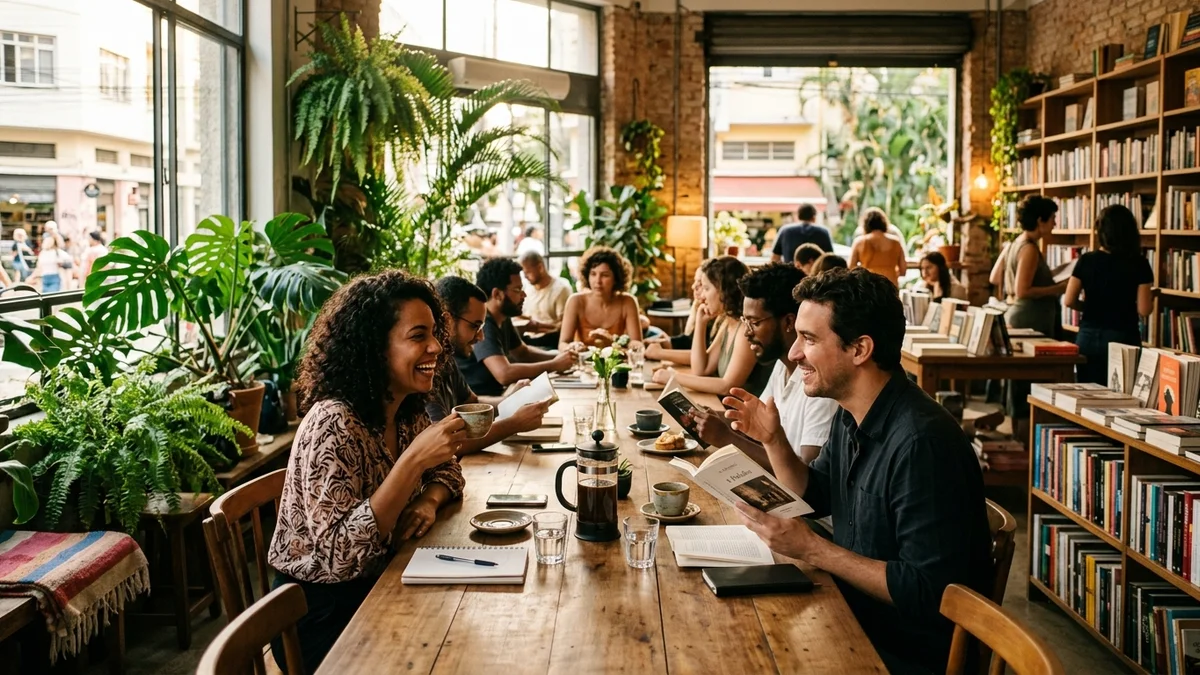
For years, the dominant tech-optimist narrative asserted that ubiquitous digital immersion would represent the pinnacle of human liberation. Instant doorstep deliveries, uninterrupted remote work from kitchen countertops, and social circles mediated entirely by recommendation feeds and instant messaging promised the ultimate era of hyper-convenience. By 2026, however, the cultural pendulum has swung decisively backward: across global capitals and dynamic emerging hubs, we are witnessing the powerful renaissance of Third Places.
Originally articulated in the 1980s by urban sociologist Ray Oldenburg, the concept defines neutral, low-pressure gathering environments that are distinct from both the domestic household (the first place) and the formal workplace or academic institution (the second place). Today, this concept reemerges as a critical psychological buffer against pervasive digital burnout and chronic social isolation. Hybrid neighborhood bookshops, artisan micro-roasteries with communal seating, evening run clubs, open ceramic workshops, and pedestrianized public plazas have become the vital heartbeat of contemporary urban life.
Key Takeaways:
- The Year of Redirection: The landmark 2026 macro-consumer report from WGSN pinpoints a widespread cultural transition toward “emotional sustainability” and In-Real-Life (IRL) communal hubs.
- The Physical Turn in Emerging Metropolises: Market insights published by Sebrae and cultural reporting in Meio & Mensagem indicate that 64% of young urbanites actively frequent unplugged community gathering spots on a weekly basis.
- The New Status Symbol: Willfully turning off notifications to invest unhurried hours in face-to-face interaction has graduated from a niche hobby into the decade’s most aspirational lifestyle benchmark.
1. Domestic Isolation and the Quest for Belonging
The universalization of remote and hybrid work models bestowed undeniable geographic flexibility, but it extracted a silent psychological toll. The total erosion of boundaries between professional labor and personal domesticity converted living rooms into endless offices, dissolving the spontaneous run-ins, hallway conversations, and serendipitous encounters that historically knit the social fabric of cities together.
Urban lifestyle surveys reveal that citizens are weary of experiencing reality through glass screens and algorithmic curation. The new wave of third places thriving across Brazilian and international metropolises differs radically from the standardized corporate chains of the 2000s through three distinctive design pillars:
- Communal Long Tables and Biophilic Architecture: Floor plans engineered with generous natural daylight, tropical greenery, and unpretentious shared timber tables designed to organically dissolve barriers between strangers.
- Lingering Without Transactional Coercion: Warm spaces where guests can spend hours sketching, reading, or conversing without staff demanding another credit card swipe every twenty minutes.
- Participatory Community Programming: Analog vinyl listening nights, neighbourhood book clubs, amateur philosophy circles, and pottery workshops that transform customers into active community members.
2. The Experience Economy and Rational Optimism
This behavioral pivot is far more profound than a passing aesthetic trend; it is aggressively transforming the hospitality and commercial real estate sectors. While conventional shopping centers and sterile retail corridors grapple with declining foot traffic, independent entrepreneurs who champion warmth, authentic neighborhood hospitality, and bespoke craft are logging record revenues and extraordinary customer retention rates.
WGSN defines this prevailing collective attitude as Rational Optimism: a grounded emotional posture that rejects both paralyzing cynicism and the toxic positivity endemic to social networks. In 2026, consumers demand that every expenditure of their finite time and capital deliver clear emotional resonance—and few investments rival the mental restoration provided by genuine face-to-face community.
This socio-spatial evolution reverberates through city planning and residential valuation. Neighborhoods embracing the “15-minute city” model—complete with wide walkable sidewalks, cycling corridors, and bustling independent street storefronts—are commanding prime demand from modern creative professionals and remote workers, rapidly outpacing sterile commuter suburbs.
3. Three Essential Lessons for Forward-Looking Brands
For enterprises, design studios, and cultural creators seeking lasting loyalty among contemporary audiences, the resurgence of third places provides three foundational principles:
- Build Places, Not Just Showrooms: Modern consumers reject sterile, one-way brand messaging. They gravitate toward welcoming physical hubs where their presence is recognized and valued.
- Champion Everyday Micro-Joys: Small, tactile rituals—the fragrance of freshly ground beans, the physical click of a book cover closing, or a personal greeting from a local barista—possess vastly greater brand-building power than gamified algorithmic reward programs.
- Integrate Digital Tools with Humility: In 2026, the most sophisticated software is not that which locks human attention into a perpetual digital scroll, but that which effortlessly facilitates an offline meeting and then quietly steps aside.
Frequently Asked Questions (FAQ)
What defines an authentic “Third Place” in urban sociology?
In urban sociology, the first place is the home and the second place is the workplace or school. A third place is a neutral, accessible, and comfortable public or commercial environment (such as public squares, communal cafes, and libraries) where people gather voluntarily to relax and connect.
What caused the massive resurgence of Third Places in 2026?
The movement is fueled by widespread screen fatigue, prolonged domestic isolation stemming from remote work models, and an urgent desire for unmediated human belonging free from algorithmic feeds.
How can independent businesses transition into successful Third Places?
By shifting priority from rapid transaction turnover to hospitable dwell time: installing long shared tables, fostering relaxing acoustic environments, organizing community workshops, and delivering warm, personalized service.
Conclusion: Where Do You Anchor Your Tribe?
The revitalization of third places in 2026 offers undeniable proof that our most fundamental human longing remains connection, presence, and community. No conversational AI model or high-definition virtual reality headset can ever replicate the grounding warmth of an unhurried conversation over a shared cup of coffee. Ultimately, the most advanced cities of our future will be those that return to us the timeless joy of gathering together in the present.
What is your quintessential third place today? How many hours each week do you protect for offline, in-person conversations?
🔗 Consulted Primary Sources:
- WGSN — Global Consumer and Lifestyle Trend Forecast for 2026
- Meio & Mensagem — Urban Habits, Physical Communities, and the Decline of Screen Hegemony
- Sebrae — Opportunities in the Experience Economy and Neighborhood Hospitality
- The Great Good Place — Ray Oldenburg’s Foundations of Third Place Theory