

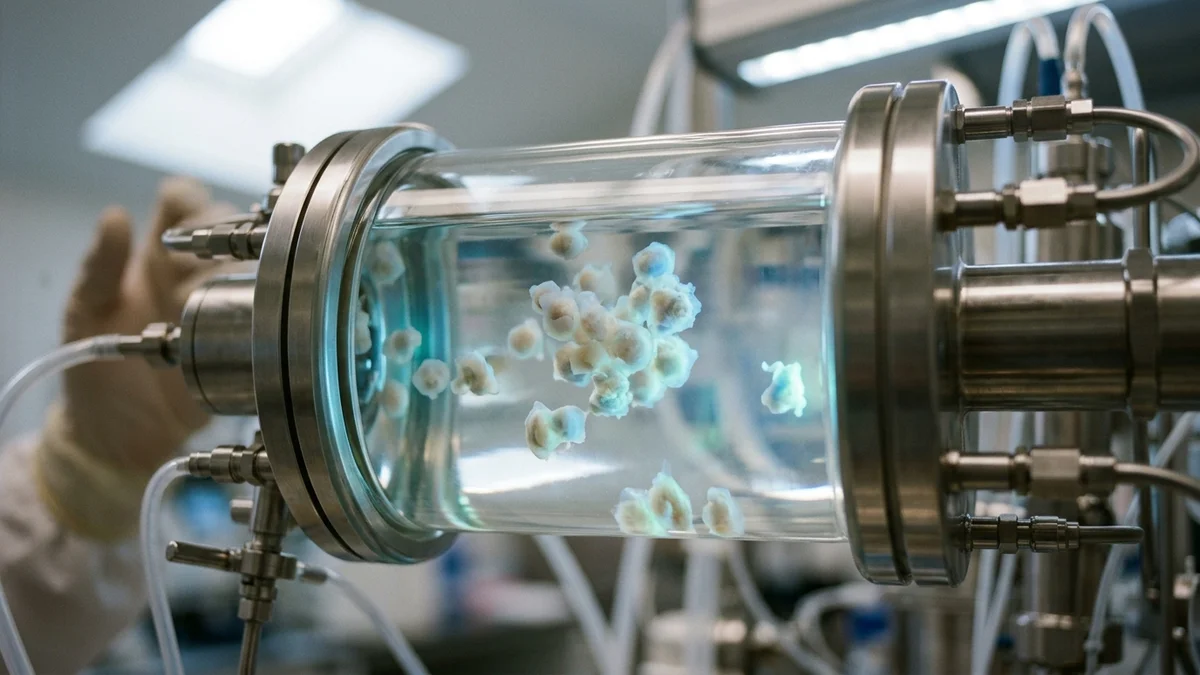
Modern oncology is standing at the threshold of one of its greatest scientific leaps: reprograming the human body’s own immune warriors to identify, disarm, and destroy malignant tumors with microscopic precision. Known as CAR-T cell therapy (Chimeric Antigen Receptor T-cell), this cutting-edge bioengineering strategy has yielded complete remission in severe leukemia and lymphoma cases that failed to respond to conventional chemotherapy.
However, the primary global roadblock to CAR-T therapies has always been their staggering financial burden. In the United States and Europe, commercial CAR-T treatments command price tags between $400,000 and $500,000 per patient (well over 2.5 to 3 million Brazilian Reais), confining this miraculous treatment almost exclusively to wealthy individuals and premium private healthcare plans.
In Brazil, a pioneering public science consortium is shattering this monopoly: the alliance formed by the Instituto Butantan, in close partnership with the Center for Cell Therapy (CTC-USP) and the Ribeirão Preto Blood Center, has established the 100% public, domestic production of CAR-T cell therapy to be distributed cost-free across Brazil’s Unified Health System (SUS).
💡 Key Takeaways
- Immune Reprogramming: CAR-T technology isolates the patient’s own T-lymphocytes, inserts a synthetic gene via an engineered viral vector so they recognize tumor antigens (CD19), and reinfuses them as specialized cancer-fighting hunter cells.
- Overcoming Big Pharma Monopolies: By producing vectors and cell-expansion cultures domestically, Brazil slashes manufacturing costs by over 80% compared to multinational pharmaceutical giants.
- Global South Leadership: Brazil becomes the first Latin American country with end-to-end sovereignty in developing, scaling, and clinically administering advanced cellular therapies in a universal public healthcare setting.
How CAR-T Works: Precision Genetic Engineering at the Cellular Level
Unlike chemotherapy and radiation — blunt therapeutic tools that damage healthy and cancerous cells alike while causing severe systemic toxicity —, CAR-T therapy represents hyper-personalized precision medicine. The manufacturing cycle follows strict, sterile biotechnological procedures:
- Leukapheresis (Harvesting): The patient’s blood flows through an apheresis machine that isolates viable T-cells while safely returning red blood cells and plasma to the bloodstream.
- Genetic Reprogramming: Inside ultra-clean biosafety facilities at Butantan and the Ribeirão Preto Blood Center, the T-cells receive an inactivated viral vector carrying the exact genetic blueprint to synthesize the chimeric antigen receptor (CAR).
- Cellular Expansion: These newly weaponized lymphocytes are placed into automated bioreactors where they multiply into hundreds of millions of living therapeutic copies.
- Infusion and Tumor Annihilation: Returned to the patient via intravenous drip, the CAR-T cells navigate through the bloodstream, lock onto target cancer proteins with nanometer precision, and trigger an unprecedented wave of tumor cell lysis.
Clinical evaluations audited under Brazil’s health regulatory agency (Anvisa) indicate that even in late-stage, refractory patients with zero remaining therapeutic options, complete remission rates consistently surpass 70% to 80% of treated cases.
The Scale Challenge: From Academic Labs to Industrial Biomanufacturing
The defining achievement of the Brazilian initiative lies not only in its laboratory science, but in building dedicated industrial capacity to satisfy universal public health demand.
With dedicated manufacturing hubs operating in São Paulo and Ribeirão Preto, the consortium secured the local synthesis of critical raw inputs — including the viral vectors that previously had to be imported from abroad at prohibitive costs. This bio-sovereignty shields Brazil from global supply chain disruptions and currency volatility, while simultaneously training a new generation of biomedical engineers and clinical specialists.
For Brazil’s Ministry of Health and SUS, domestic production avoids millions in public healthcare litigation costs while saving lives that would otherwise never have access to this therapy in the private sector.
❓ Frequently Asked Questions (FAQ)
What cancers are currently treated with CAR-T cell therapy?
Clinical trials and initial regulatory authorizations in Brazil focus primarily on B-cell hematologic malignancies expressing the CD19 protein, notably Relapsed/Refractory B-cell Acute Lymphoblastic Leukemia (B-ALL) in children and young adults, and Diffuse Large B-cell Lymphoma (DLBCL) in adult patients.
What are the main clinical risks and side effects?
The most common and serious adverse reaction is Cytokine Release Syndrome (CRS), a massive inflammatory surge caused by the rapid, synchronized destruction of tumor cells by the infused T-cells. Consequently, administration requires specialized hospital wards equipped for intensive care and continuous patient hemodynamic monitoring.
Is the treatment already available across every public hospital in Brazil?
Not yet in every local facility. CAR-T administration demands specialized cellular transplant infrastructure and high-complexity medical teams. Currently, patients receive the therapy in accredited reference centers linked to clinical trials and university hospitals within the SUS network, with national expansion planned for major oncology hubs.
Biotechnological Sovereignty and the Future of Universal Healthcare
The rapid maturation of CAR-T cell manufacturing at Instituto Butantan demonstrates that robust public funding, top-tier university research, and domestic industrial execution can place emerging nations at the forefront of modern biotechnology.
Far beyond an advanced oncology breakthrough, the nationalization of CAR-T stands as a powerful testament to scientific sovereignty and healthcare equity: an unequivocal statement that future medical marvels must serve all of humanity, not just those with financial privilege.
🔗 References & Official Sources:
- Instituto Butantan — Technical reports on national CAR-T cell development and manufacturing for SUS.
- Center for Cell Therapy (CTC-USP) — Clinical trial findings and long-term remission registries.
- Anvisa (Brazilian Health Regulatory Agency) — Regulatory approvals and compliance standards for advanced therapy medicinal products (ATMPs).
- Ministry of Health of Brazil — Technology incorporation guidelines and health economic evaluation for SUS.
Medical & Health Disclaimer
The information provided in this article is for educational and informational purposes only and does not constitute medical advice, diagnosis, or treatment. Always consult a qualified physician, nutritionist, or healthcare provider before beginning any supplement regimen or making changes to your wellness routine.