
Across the intricate architecture of human biochemistry, few elements exert such a profound, ubiquitous influence as magnesium. Standing as the fourth most abundant mineral in the body and the second most prevalent intracellular cation, it operates quietly behind the scenes of nearly every vital system. From cardiac muscular contraction to enzymatic DNA repair, virtually nothing functions properly without its presence.
Despite its physiological indispensability, global nutritional epidemiological surveys indicate that over 70% of modern adults fail to meet daily dietary magnesium requirements. In this context, magnesium chloride emerges as one of the most rigorously studied, bioavailable, and therapeutically effective forms of mineral replenishment available.
📌 Key Takeaways: What You Need to Know
- The Master Enzymatic Cofactor: Magnesium participates in more than 300 essential metabolic reactions required for cellular survival.
- Active Energy Production (ATP): Adenosine triphosphate — our cellular energy currency — is biologically inactive until bound to a magnesium ion (
Mg-ATP).- Natural Calcium Antagonist: While calcium triggers muscle excitation and contraction, magnesium commands muscle relaxation and neurological balance.
- The Chloride Advantage: Exceptional aqueous solubility and swift ionic dissociation in gastric acid ensure rapid, dependable systemic absorption.
The 5 Most Critical Functions of Magnesium in Human Physiology
To understand the full magnitude of this master mineral, it is helpful to examine its systemic mechanisms:
1. Cellular Energy Synthesis and Transport (ATP)
Every physiological task performed by the human body — from respiration to complex cognitive focus — relies on adenosine triphosphate (ATP). However, free ATP is chemically inert; it requires pairing with an ionized magnesium atom to create the bioavailable Mg-ATP complex that mitochondria harness to fuel cellular vitality.
2. Neuromuscular Modulation and Muscle Recovery
Within skeletal and smooth muscle fibers, calcium operates as the contractual trigger, while magnesium serves as the biological relaxing agent. When intracellular magnesium is depleted, unregulated calcium influx overexcites muscle fibers, triggering chronic tension, eye twitching, neck stiffness, and painful nighttime cramps.
3. Central Nervous System Regulation and Restorative Sleep
Magnesium functions as a positive allosteric modulator of GABA receptors (the brain’s chief inhibitory, calming neurotransmitter). Simultaneously, it blocks excitatory NMDA glutamate receptors, preventing stress-induced neurotoxicity. This dual mechanism downshifts sympathetic arousal and promotes deep sleep architecture, aligning directly with our findings on vagus nerve stimulation and biological stress resilience.
4. Calcium Homeostasis and Bone Mineralization
Approximately 60% of total body magnesium is stored within bone tissue. It stimulates calcitonin secretion, escorting calcium out of soft tissue and blood vessels into the skeletal matrix. Crucially, magnesium is the rate-limiting cofactor required to convert vitamin D into its active hormonal form (calcitriol).
5. Cardiovascular Rhythm and Blood Pressure Support
As the body’s most metabolically demanding muscle, the heart requires flawless electrical stability. Magnesium regulates the sodium-potassium pumps of cardiac cell membranes, helping prevent arrhythmias, preserving arterial elasticity, and supporting balanced systemic blood pressure.
Why Magnesium Chloride Stands Out
While numerous supplemental forms exist on the market, magnesium chloride P.A. (Pure for Analysis) has earned enduring clinical regard for distinct biochemical reasons:
- Superior Ionic Bioavailability: Unlike poorly absorbed oxides, the molecular bond between magnesium and chloride dissociates effortlessly in gastric juice, liberating elemental magnesium ions ready for immediate transport across the intestinal barrier.
- Gastric Acid and Digestive Synergy: The chloride ion assists the stomach in synthesizing optimal levels of hydrochloric acid (HCl), enhancing protein breakdown and nutrient assimilation in individuals with low stomach acid.
- Purity and Cost-Effectiveness: Whether taken as traditional pure powder dissolved in water or in modern pre-measured capsules, magnesium chloride provides clinical-grade purity at an exceptionally accessible cost per dose.
This restorative capacity is explored further in our comprehensive guide on the health, sleep, and recovery benefits of magnesium chloride P.A. and our review on how magnesium restores daily vitality and fluid mobility.
Silent Signs of Subclinical Magnesium Deficiency
Because less than 1% of total body magnesium circulates freely in blood serum, standard blood tests frequently fail to detect tissue-level depletion. Watch for these daily indicators:
- [ ] Recurrent nocturnal calf or foot cramps
- [ ] Chronic tension across the upper trapezius and neck
- [ ] Restless mind at bedtime and fragmented, shallow sleep
- [ ] Persistent morning fatigue despite adequate hours in bed
- [ ] Involuntary eyelid twitches (fasciculations)
- [ ] Sudden, intense cravings for dark chocolate (nature’s densest magnesium source)
Frequently Asked Questions (FAQ)
What is the recommended daily allowance for magnesium?
For healthy adults, daily intake recommendations typically range between 350 mg and 420 mg for men, and 310 mg to 360 mg for women, factoring in diet and targeted supplementation combined.
Is magnesium chloride safe for daily, continuous use?
Yes. For individuals with healthy kidney function, it is safe, water-soluble, and easily regulated by the body. The kidneys and gastrointestinal tract naturally excrete any unused surplus.
Why do many people prefer capsule formats today?
While magnesium chloride powder is exceptionally economical, its naturally bitter, saline taste can be challenging for daily compliance. Modern capsules offer exact P.A. potency with zero taste and maximum daily convenience.
When is the ideal time to take magnesium?
To support neuromuscular relaxation and deeper slow-wave sleep, taking it in the evening (1 to 2 hours before bed) is optimal. For physical stamina and daytime focus, it can also be taken alongside morning meals.
Cited References & Clinical Sources:
- National Institutes of Health (NIH) — Scientific fact sheet on dietary magnesium, biological functions, and bioavailability.
- Harvard T.H. Chan School of Public Health — Comprehensive evidence review on magnesium, cardiovascular health, and bone density.
- American Physiological Society — Research on magnesium ions, ATP generation, and cellular electrophysiology.
Where to Find
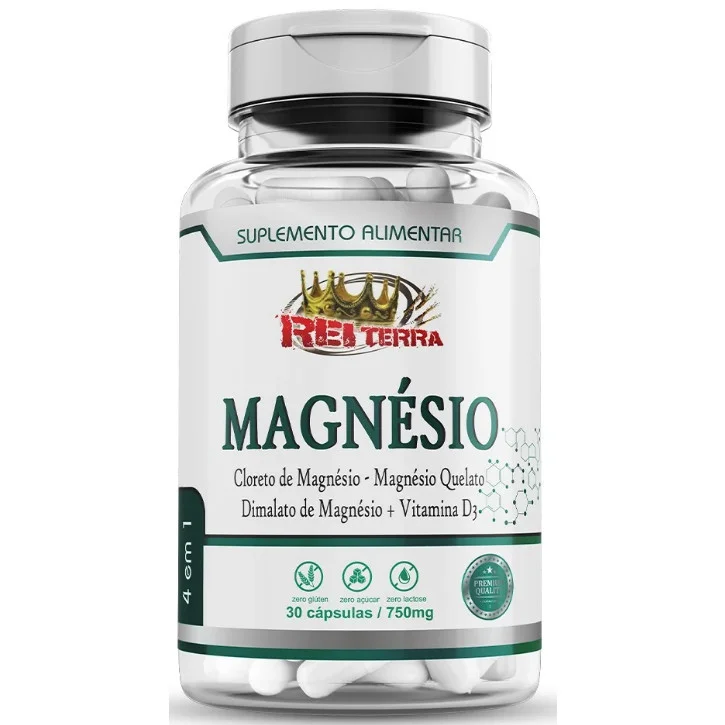
Magnesium 4-in-1: Chloride, Chelated, Malate + Vitamin D3
Buy on Shopee 🛍️
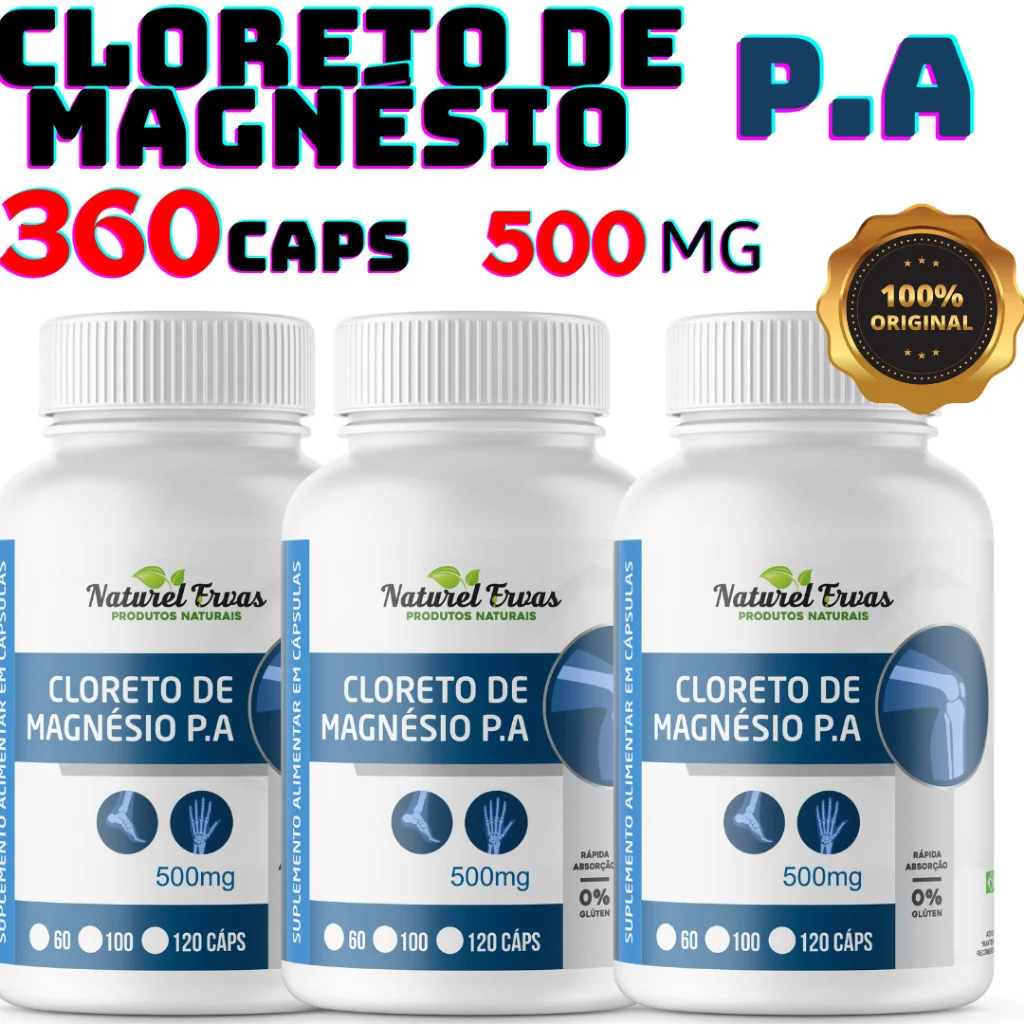
Magnesium Chloride P.A. 500mg (120 Capsules)
Buy on Shopee 🛍️
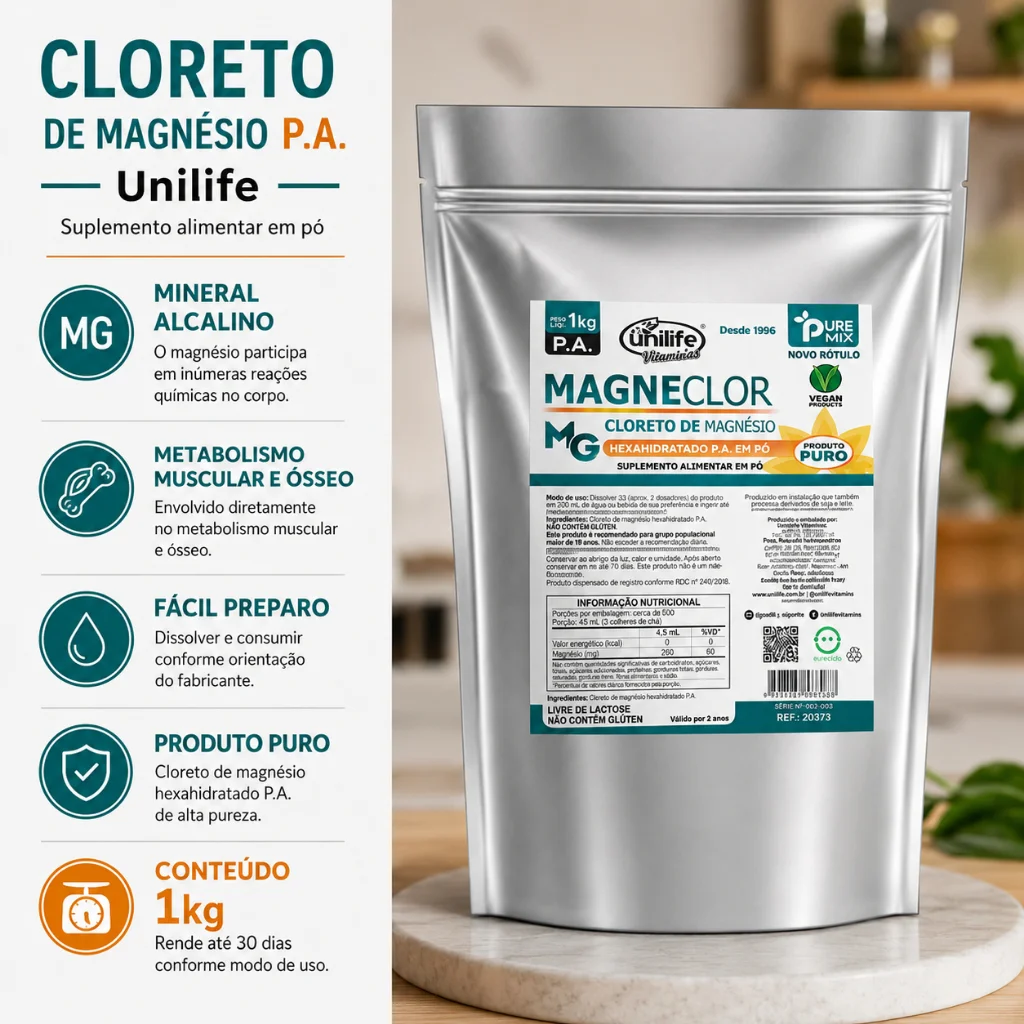
Magneclor Magnesium Chloride P.A. Unilife (1kg Powder)
Buy on Shopee 🛍️
Editorial disclosure: The links above are affiliate links. If you choose to purchase through them, we may receive a modest commission at no additional cost to you.
Medical & Health Disclaimer
The information provided in this article is for educational and informational purposes only and does not constitute medical advice, diagnosis, or treatment. Always consult a qualified physician, nutritionist, or healthcare provider before beginning any supplement regimen or making changes to your wellness routine.