For decades, consumer perception of cardiovascular tracking was tethered to a single, static metric: resting beats per minute (BPM). The prevailing assumption suggested that a healthy heart ought to tick like a master metronome, maintaining identical intervals between each contraction. However, modern cardiology and precision medicine have completely upended this intuition. Today, the definitive biomarker of biological resilience, immune readiness, and longevity is known as Heart Rate Variability (HRV).
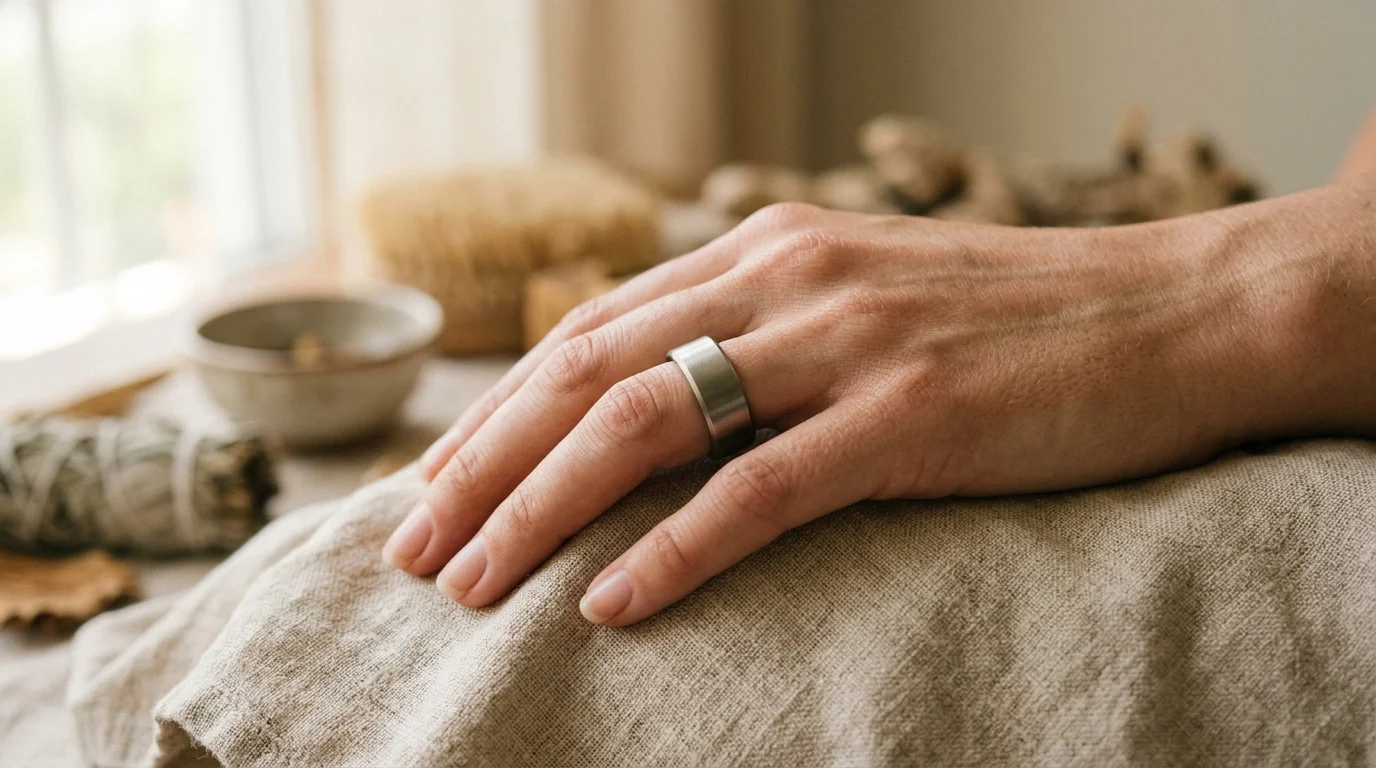
Contrary to conventional belief, a resilient, well-rested human body does not beat with mechanical rigidity. Instead, microscopic millisecond variations between consecutive heartbeats indicate that the autonomic nervous system is flexible, responsive, and primed to adapt to environmental demands. With the proliferation of miniaturized biometric hardware—most notably the rise of titanium smart rings—continuous nocturnal HRV measurement has shifted from elite sports physiology into everyday preventative healthcare.
Key Takeaways:
- The Counterintuitive Paradigm: High heart rate variability signals an adaptable, well-balanced autonomic nervous system; chronically suppressed HRV flags systemic inflammation, mental exhaustion, or hidden physiological strain.
- Early Warning Radar: Negative dips in nocturnal HRV often predict viral infections, athletic overtraining syndromes, and impending burnout up to 48 hours before physical symptoms materialize.
- The Smart Ring Revolution: Featherlight titanium rings capture arterial blood volume changes at the finger throughout deep sleep, providing screen-free biometric precision without bulky wrist devices.
- Evidence-Based Healthspan: Landmark research highlighted by Harvard Medical School associates preserved baseline HRV with lower cardiovascular all-cause mortality and prolonged active longevity.
Understanding HRV: The Window into Your Autonomic Nervous System
To understand why HRV matters, one must examine the two primary branches governing the Autonomic Nervous System (ANS):
- The Sympathetic Branch (Fight-or-Flight): Increases heart rate, elevates arterial blood pressure, and mobilizes cortisol and adrenaline to handle acute stressors or strenuous exercise.
- The Parasympathetic Branch (Rest-and-Digest): Guided primarily by the vagus nerve, this system slows cardiac pacing, facilitates cellular tissue repair, reduces systemic inflammation, and restores metabolic equilibrium.
When these two regulatory systems interact dynamically, the heart accelerates slightly during inhalation and decelerates during exhalation. This subtle rhythm creates high variability in the intervals between heartbeats (termed R-R intervals).
When an individual suffers from chronic sleep deficits, toxic work stress, dehydration, or late-night alcohol consumption, the sympathetic branch locks into dominance. The heart begins beating with rigid, metronomic inflexibility: HRV collapses.
As cardiology researchers emphasize, nocturnal HRV serves as an unbiased mirror of biological strain, registering internal stress long before routine clinical blood work flags endocrine or inflammatory disruptions.
Smart Rings and the New Frontier of Circadian Biometrics
While smartwatches have tracked heart rate for years, reliable HRV assessment requires uninterrupted stillness and high-fidelity arterial proximity—conditions rarely met during a bustling workday. It is during slow-wave and deep sleep that the body settles into its purest parasympathetic baseline.
This is where smart rings have emerged as the gold standard of ambient wellness. Weighing less than five grams and outfitted with clinical-grade photoplethysmography (PPG) sensors facing the digital arteries, these rings track recovery without screens, chimes, or notifications.
Upon waking, users receive an objective Recovery Readiness Score. Rather than determining whether to train hard or prioritize restorative rest based on fleeting subjective mood, individuals gain access to clear physiological data:
- HRV Elevated Above Baseline: Green light for high-intensity training, critical business negotiations, and demanding cognitive workloads.
- HRV Significantly Below Baseline: Direct clinical signal to prioritize hydration, restorative sleep, anti-inflammatory nutrition, and reduced physical impact.
Actionable Pillars to Protect and Elevate Baseline HRV
The power of HRV lies in its remarkable neuroplasticity: it is not a fixed genetic destiny, but an agile biomarker highly responsive to intentional lifestyle choices. Clinical analyses from Nature Digital Medicine highlight four core behavioral drivers:
- Circadian Rhythm Discipline: Consistent sleep and wake times anchor nocturnal vagal tone and accelerate tissue recovery.
- Pre-Sleep Fasting Windows: Finishing dinner at least 2 to 3 hours before bedtime prevents blood flow redirection toward heavy digestion, allowing cardiac rhythm to settle into restorative parasympathetic states.
- Resonant Diaphragmatic Breathing: Slow, paced breathing (roughly 6 breaths per minute) stimulates vagal activation and enhances cardiac coherence almost immediately.
- Alcohol Moderation: Even a single glass of wine consumed close to bedtime can suppress nocturnal HRV by upwards of 30%, disrupting restorative sleep architecture.
Frequently Asked Questions (FAQ)
1. What is considered a ‘normal’ or optimal HRV score?
There is no universal target number for HRV. It is an intensely individualized metric. Two healthy adults of identical age might maintain healthy baselines of 35 ms and 85 ms, respectively. What matters clinically is how your daily measurement compares against your own rolling historical baseline.
2. Does a low HRV reading mean I have heart disease?
Not necessarily. A temporary dip in HRV typically indicates acute sleep loss, emotional anxiety, mild dehydration, or an incubation period for a common seasonal virus. However, if baseline HRV remains depressed for several consecutive weeks without lifestyle causes, consulting a cardiologist is recommended.
3. How accurate are smart rings compared to medical ECGs?
For longitudinal recovery tracking during sleep, smart rings perform with remarkable fidelity. Peer-reviewed validation studies demonstrate that top-tier smart rings achieve over 95% correlation with medical electrocardiograms (ECGs) for nocturnal R-R interval detection.
🔗 Referenced Sources & Clinical Research:
- Harvard Medical School — Heart rate variability: A new way to track well-being
- Nature Digital Medicine — Continuous autonomic nervous system tracking with wearable sensors
- Sociedade Brasileira de Cardiologia — Variabilidade da frequência cardíaca na prática clínica
- VivaBem UOL — Como o monitoramento de HRV revoluciona a saúde preventiva no Brasil
Medical & Health Disclaimer
The information provided in this article is for educational and informational purposes only and does not constitute medical advice, diagnosis, or treatment. Always consult a qualified physician, nutritionist, or healthcare provider before beginning any supplement regimen or making changes to your wellness routine.