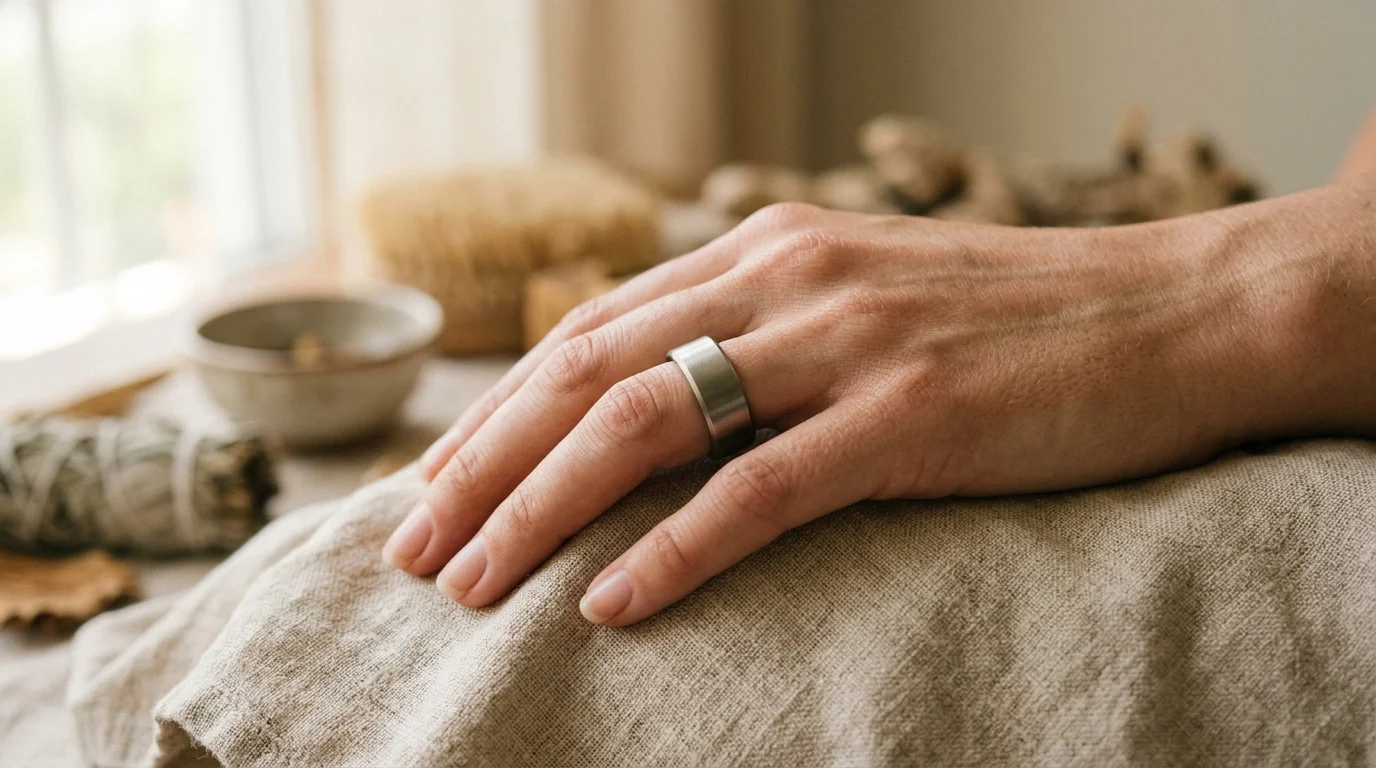
For decades, chronic stress in modern society was largely treated as an inevitable tax on productivity, managed almost exclusively through symptomatic band-aids or pharmaceutical sedatives. Today, an overdue scientific paradigm shift across neurobiology and lifestyle medicine is redirecting attention toward an immediate, physical communication superhighway: the vagus nerve.
As the longest cranial nerve in the human body, the vagus nerve functions as the primary conduit of the parasympathetic nervous system — the evolutionary biological circuit responsible for slowing down heart rate, stimulating digestion, curtailing runaway cortisol surges, and disengaging the exhausting state of chronic “fight or flight”. Measuring and optimizing vagal tone has swiftly emerged as the new gold standard for those pursuing psychological resilience, cognitive clarity, and cellular longevity.
📌 Key Takeaways: What You Need to Know
- The Biological Emergency Brake: The vagus nerve bridges the brainstem directly to vital organs (heart, lungs, and gut), acting as the master switch that ends acute stress cascades.
- Heart Rate Variability (HRV): Continuous HRV tracking via modern wearables has become the recognized clinical proxy for vagal tone and systemic autonomic recovery.
- Accessible Neuromodulation: Beyond targeted breathwork, non-invasive transcutaneous auricular vagus nerve stimulation (tVNS) is expanding rapidly across cutting-edge integrative wellness clinics globally.
The Gut-Brain Axis and the Cholinergic Anti-Inflammatory Pathway
Remarkably, approximately 80% of vagal nerve fibers are afferent, meaning they transmit physiological telemetry from the body up to the brain, rather than the other way around. This fundamental anatomical reality explains why intestinal inflammation and microbiome disruption exert such an immediate toll on mood, daily stamina, and emotional stability.
Landmark research published in Nature Medicine and corroborated by international cardiology societies highlights the existence of the cholinergic anti-inflammatory pathway. When the vagus nerve is stimulated effectively, it releases acetylcholine, which binds directly to alpha-7 nicotinic receptors on tissue macrophages, effectively shutting down the overproduction of damaging systemic cytokines such as TNF-alpha and interleukin-6 (IL-6).
This biological mechanism links directly to what we explored in our deep-dive on cellular biomarkers and metabolic health for sustained longevity, underscoring that subclinical chronic inflammation frequently stems from persistent autonomic dysregulation.
Practical Protocols to Strengthen Vagal Tone Daily
Unlike fixed genetic parameters, vagal tone behaves much like muscular capacity: it can be deliberately trained, conditioned, and fortified through actionable, evidence-based habits:
1. Resonance Frequency Breathing (The 6/6 Cadence)
Inhaling and exhaling at a frequency of approximately 5.5 to 6 breaths per minute (typically 4 seconds of smooth nasal inhalation paired with 6 seconds of controlled exhalation) synchronizes heart rate fluctuations with respiratory mechanics. Prolonged exhalations engage arterial baroreceptors, sending an unequivocal neurochemical signal to the vagus nerve that the organism is secure.
2. Cold Thermogenesis and the Mammalian Dive Reflex
Brief facial immersion in iced water or concluding a morning shower with 60 seconds of cold exposure initiates the mammalian dive reflex, eliciting an immediate parasympathetic deceleration in heart rate mediated through swift vagal discharge.
3. Acoustic and Pharyngeal Stimulation
Because the vagus nerve innervates the vocal cords and the pharyngeal musculature, vocal practices such as sustained humming, deep vocal resonance, and vigorous morning gargling directly stimulate laryngeal nerve branches.
Cultivating this autonomic balance pairs seamlessly with foundational nutrient protocols, as covered in our report on the proven benefits of magnesium chloride for deep restorative sleep and neuromuscular recovery.
The Rise of Non-Invasive Neuromodulation (tVNS)
Beyond manual breathwork protocols, the consumer health tech space is witnessing an explosive wave of transcutaneous auricular vagus nerve stimulation (tVNS) technology.
By delivering imperceptible microcurrents to the tragus or concha of the outer ear — where the auricular branch of the vagus nerve runs remarkably close to the dermal surface —, wearable neuromodulation headsets are being clinical investigated to alleviate refractory anxiety, expand deep slow-wave sleep stages, and accelerate post-exercise athletic recovery.
Rather than muting discomfort with temporary suppressants, strengthening vagal tone restores the human body’s intrinsic capacity for autonomous physiological regulation, anchoring the future of preventive, personalized medicine.
Frequently Asked Questions (FAQ)
What is the vagus nerve and what does it do?
It is the tenth cranial nerve and the primary highway of the parasympathetic nervous system, responsible for downregulating heart rate, supporting gastrointestinal motility, and mitigating the body’s acute stress response.
What are common signs of low vagal tone?
Frequent indicators include an inability to wind down after demanding tasks, sluggish digestion, persistent low-grade inflammation, heightened anxiety sensitivity, and persistently depressed Heart Rate Variability (HRV) metrics on wearable monitors.
Does simple slow breathing genuinely stimulate the vagus nerve?
Yes. Diaphragmatic breathing that prioritizes extended exhalation directly activates pulmonary and arterial stretch receptors, which immediately trigger vagal output to decelerate cardiac rhythm and induce systemic calm.
🔗 Cited Sources & Clinical References:
- Nature Medicine — Clinical trials on the cholinergic anti-inflammatory pathway and vagal nerve modulation.
- American Heart Association (AHA) — Scientific statements on Heart Rate Variability (HRV) and autonomic health.
- Harvard Medical School — Neurophysiological insights into the vagus nerve and the gut-brain axis.
Do you track your daily HRV or practice targeted breathwork to regulate stress? Share your experience in the comments below!
Medical & Health Disclaimer
The information provided in this article is for educational and informational purposes only and does not constitute medical advice, diagnosis, or treatment. Always consult a qualified physician, nutritionist, or healthcare provider before beginning any supplement regimen or making changes to your wellness routine.