

Historically, the organic byproducts of Brazil’s agricultural powerhouses — such as vinasse left over from sugarcane ethanol distillation, filter cake, and massive livestock manure volumes — represented complex environmental and logistical challenges. Although traditionally returned to soils via fertigation, the colossal energetic potential held within this decomposing biomass largely escaped into the atmosphere as uncontrolled greenhouse gas emissions.
That paradigm has shifted irrevocably. Accelerated by Brazil’s landmark Fuel of the Future legislation and private capital deployments exceeding $2.2 billion from global infrastructure funds and agricultural conglomerates, Brazil has catalyzed an industrial biomethane boom. By purifying raw biogas into 100% renewable pipeline-ready natural gas with methane ($CH_4$) purities surpassing 96.5%, the South American giant is evolving from the world’s breadbasket into the planet’s most formidable producer of decarbonized industrial fuel.
Key Takeaways: What You Need to Know
- Technological Precision: Advanced continuous anaerobic biodigesters paired with polymeric membrane filtration systems convert agricultural residues into biomethane identical in performance to fossil natural gas.
- Diesel Disruption: Heavy truck fleets and agricultural tractors across São Paulo and the Center-West agricultural belt are already operating on locally produced biomethane, cutting lifecycle carbon emissions by up to 95%.
- Regulatory Mandate: Brazil’s Fuel of the Future legislation mandates progressive blending quotas of biomethane into the national gas grid, targeting 10% by 2034 and creating guaranteed long-term demand.
The Engineering of Circularity: Transforming Vinasse into Pure Energy
The conversion of sugarcane effluents and animal manure into high-purity biomethane is a benchmark of modern bioengineering. According to technical data from the Brazilian Biogas Association (ABiogás), the production process hinges on four synchronized phases:
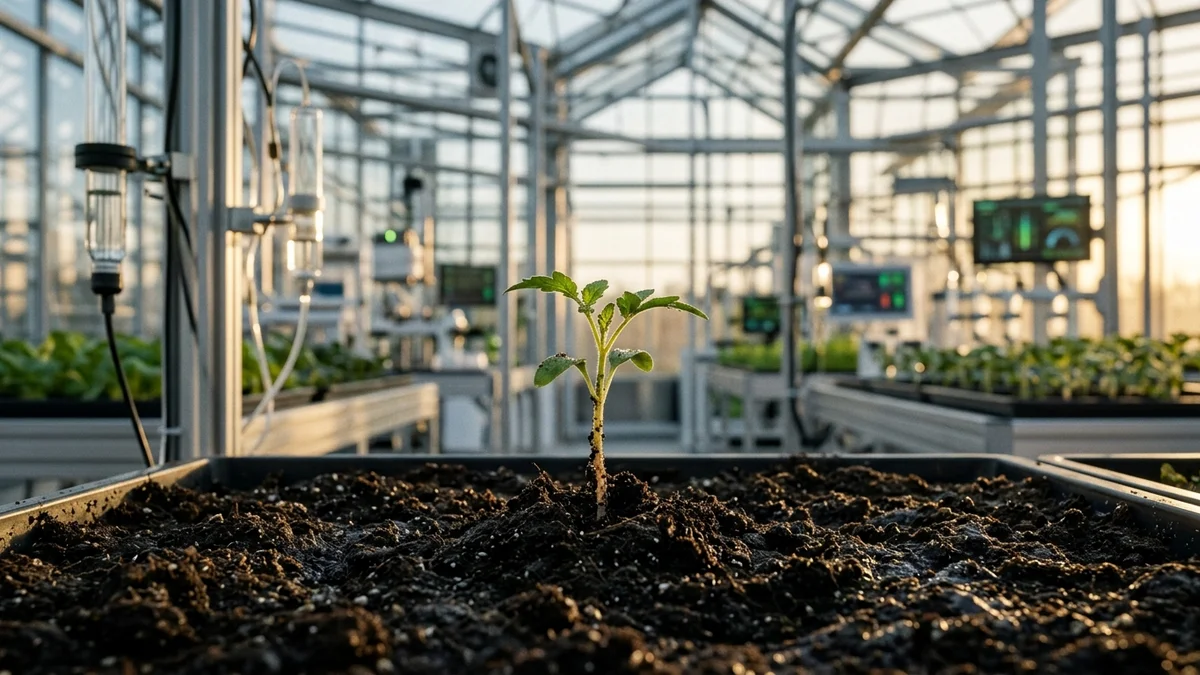
- Continuous Anaerobic Biodigestion: In massive, hermetically sealed bioreactors, specialized anaerobic bacterial consortia digest organic matter without oxygen, releasing raw biogas with an initial methane concentration between 55% and 65%.
- Polymeric Membrane Upgrading: The raw biogas is stripped of moisture and corrosive hydrogen sulfide ($H_2S$). It then passes through selective polymer membranes that filter out carbon dioxide ($CO_2$), lifting methane purity above 96.5% and exceeding stringent quality standards from the National Petroleum Agency (ANP).
- Nutrient-Rich Biofertilizer: The remaining sanitized liquid effluent retains vital nutrients (nitrogen, phosphorus, and potassium) free of foul odors or active pathogens, returning to farm fields as superior organic fertilizer.
- Biogenic $CO_2$ Capture: The pure, biogenic carbon dioxide separated during upgrading is captured, liquefied, and monetized for commercial beverage carbonation, green greenhouse agriculture, and sustainable aviation fuel synthesis.
Sustainable Freight Corridors: Replacing Imported Diesel on Highways
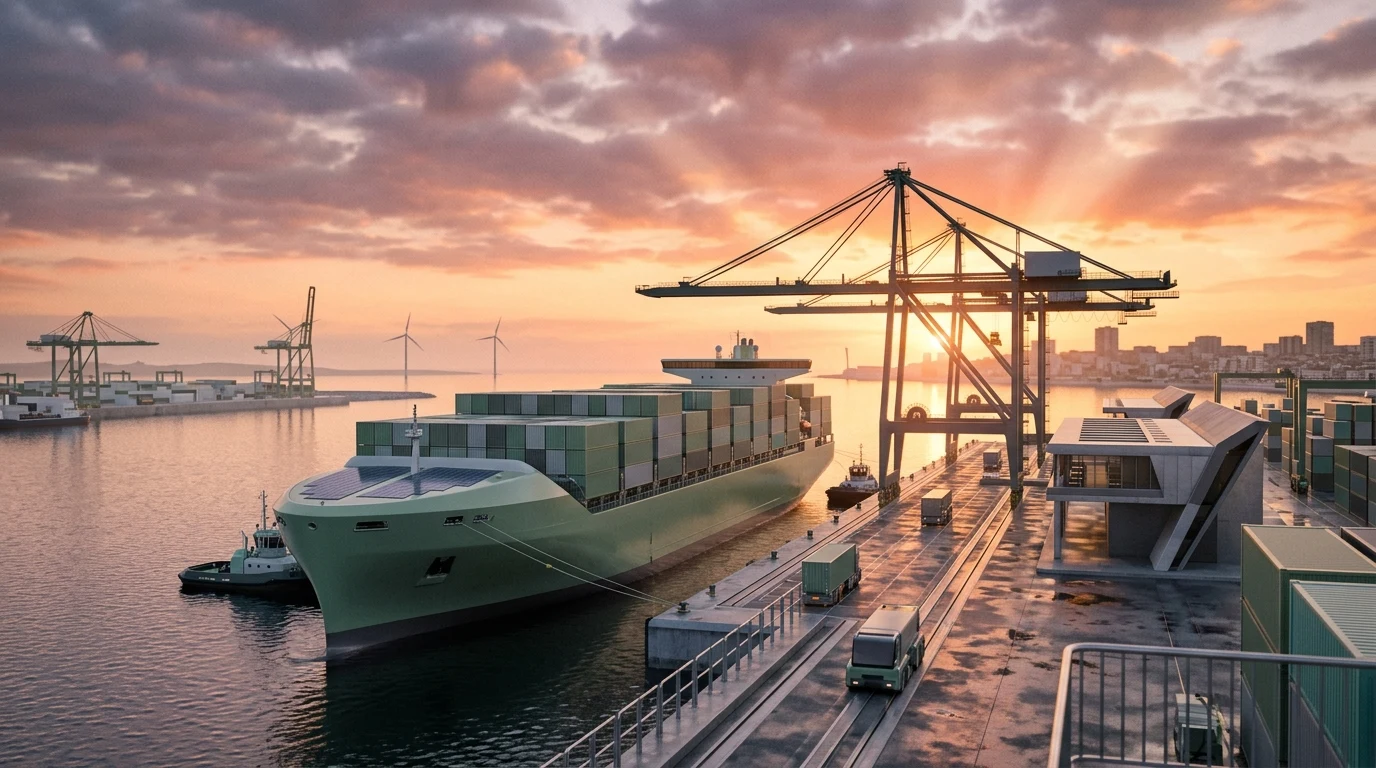
The structural bottleneck of Brazil’s continental logistics has always been its heavy reliance on imported fossil diesel to transport millions of tons of grains, soybeans, and sugar to export ports like Santos and Paranaguá. This economic vulnerability is rapidly fading along Brazil’s newly forged Green Freight Corridors.
Major logistics operators and sugarcane mills across São Paulo, Goiás, and Mato Grosso do Sul have deployed proprietary fast-filling stations for compressed biomethane (Bio-CNG) and liquefied biomethane (Bio-LNG). Heavy transport trucks powered by 100% biomethane are hauling cargo at operating costs up to 30% lower per kilometer than conventional diesel, virtually eliminating particulate matter and nitrogen oxide ($NO_x$) exhaust emissions.
Agricultural machinery manufacturers have joined the transition, mass-producing methane-powered tractors and harvesters. This creates the quintessential circular economy loop: farms generating agricultural harvest simultaneously produce the clean fuel required to operate their own machinery.
Geopolitical Resilience and High-Integrity Carbon Credits
Brazil’s biomethane acceleration offers more than local environmental benefits; it delivers exceptional energy sovereignty. While Europe and Asia navigate volatile liquefied natural gas (LNG) markets and pipeline geopolitics, Brazil is unlocking a domestic, decentralized, and practically inexhaustible fuel source right from its fertile countryside.
According to projections by the Energy Research Office (EPE), Brazil’s theoretical biomethane potential exceeds 120 million cubic meters per day — a figure surpassing the country’s entire current fossil natural gas consumption combined with its pipeline imports from Bolivia.
Furthermore, biomethane operations generate verified carbon credits under Brazil’s RenovaBio policy (CBIOs) and qualify for high-tier international voluntary carbon credit frameworks, attracting multinational tech giants eager to decarbonize Scope 1 and Scope 2 footprints across Brazilian logistics networks and cloud data centers.
Scaling Infrastructure and Virtual Gas Pipelines
Unlocking the full potential of this resource requires continuous logistical innovation:
- Virtual Pipelines: Because national gas pipelines historically hugged coastal cities, producers employ “virtual pipelines” — fleets of specialized high-pressure tube trailers and cryogenic tankers that haul biomethane directly to remote manufacturing plants and mining facilities inland.
- Grid Injection Programs: Regional gas utilities (such as Comgás and MSGÁS) are actively signing long-term off-take contracts to inject agricultural biomethane directly into city networks, bridging rural production with industrial urban consumption.
Frequently Asked Questions
Is biomethane chemically identical to fossil natural gas?
Yes. Following catalytic and membrane purification conforming to national regulations, biomethane matches fossil natural gas in energy density and combustion characteristics, allowing seamless utilization in existing vehicles, boilers, and industrial plants without technical modifications.
Why is biomethane categorized as an ultra-low carbon fuel?
Because the carbon released during its combustion was drawn down from the atmosphere by sugarcane or crops during recent photosynthesis. Unlike fossil fuels that unearth carbon trapped subterranean millions of years ago, biomethane cycles through the active biospheric carbon loop with near-zero net additions.
What are the operational cost benefits for fleet operators?
Beyond eliminating 90% to 95% of greenhouse gas emissions, operating heavy-duty trucks on biomethane delivers fuel cost savings between 20% and 35% per kilometer compared to conventional diesel, contingent on local terminal proximity and fuel agreements.
The Clean Energy Horizon
The emergence of Brazil’s biomethane era underscores a vital truth: authentic sustainability is achieved not through economic deprivation, but through the circular ingenuity that converts agricultural waste into valuable renewable energy. By integrating farming, clean energy, and industrial logistics, Brazil is charting the definitive blueprint for the 21st-century bioeconomy.
🔗 Consulted Sources & References:
- Brazilian Biogas Association (ABiogás) — Sector statistical indicators and industrial biomethane growth projections.
- National Petroleum Agency (ANP) — Regulatory quality standards and fuel specifications for injectable biomethane.
- Energy Research Office (EPE) — Ten-year national energy expansion plan and biomass availability studies.
- Ministry of Mines and Energy (MME) — Guidelines of the Fuel of the Future legislation and national decarbonization mandates.