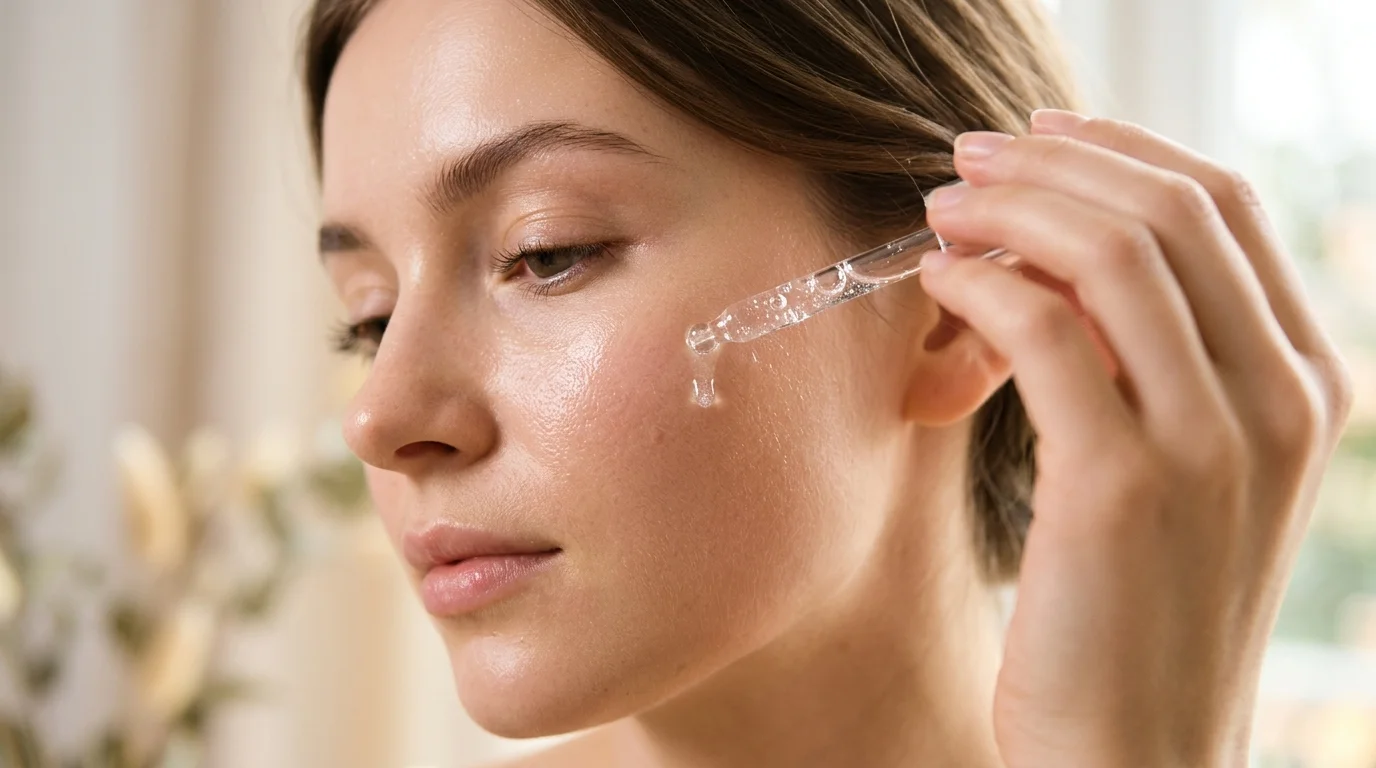


For more than two decades, modern cosmetic medicine followed an aggressive volumetric paradigm: inject, expand, and project deep facial fat compartments to counteract the mechanical signs of aging. However, the cumulative over-injection of cross-linked hyaluronic acid ultimately led to a widely rejected aesthetic outcome in high-fashion capitals and leading dermatology clinics: the dreaded “pillow face” syndrome, characterized by unnaturally bloated cheeks, narrowed eyes, and stiff facial expressions.
Across premier global dermatology summits — including the IMCAS World Congress in Paris and the AMWC Monaco —, the clinical consensus has firmly turned the page. The true frontier of skin longevity no longer lies in creating synthetic volumes, but in bioremodeling the extracellular matrix. At the core of this quiet revolution are polynucleotides (PN), purified biopolymers derived from pharmaceutical-grade marine DNA (extracted from wild trout and salmon), capable of reprogramming exhausted dermal fibroblasts and restoring damaged tissue without adding a single cubic millimeter of artificial filler.
Key Takeaways: What You Need to Know
- The Scientific Mechanism: Highly purified polynucleotides bind to adenosine $A2A$ receptors, promoting types I and III collagen synthesis and microvascular angiogenesis without retaining excess water or causing facial distortion.
- The Global Shift: Dermatologists in London, New York, São Paulo, and Milan report a dramatic rise in patients actively dissolving old synthetic fillers with hyaluronidase to embrace regenerative cellular therapies.
- Primary Clinical Indications: Proven efficacy for delicate, traditionally vulnerable areas such as periorbital dark circles, hollow under-eyes, neck crepeyness, décolletage solar damage, and fine accordion wrinkles.
The Biology of Bioremodeling: How Polynucleotides Rebuild the Dermis
Unlike traditional fillers, which occupy physical space between connective tissue fibers, polynucleotides are long-chain polymers of natural nucleotides that function as biological signaling molecules. When injected into the superficial and mid-dermis, they trigger a cascade of cellular repair thoroughly documented in the Journal of Cosmetic Dermatology:
- Adenosine $A2A$ Receptor Stimulation: Enzymatic cleavage of polynucleotides gradually releases free nucleosides that bind to specific cellular receptors, activating a potent anti-inflammatory pathway that reduces pro-aging cytokines like IL-6 and TNF-alpha.
- Neoangiogenesis and Microvascular Oxygenation: They stimulate local secretion of Vascular Endothelial Growth Factor (VEGF), spurring the creation of tiny capillaries that supply vital nutrients and oxygen to dull, ischemic skin.
- Genuine Fibroblastic Reprogramming: Rather than triggering a chronic foreign-body reaction, polynucleotides provide ready-to-use purine and pyrimidine rings that allow dormant fibroblasts to resume the endogenous production of structural collagen, elastin, and high-molecular-weight hyaluronic acid.
- Active Free-Radical Scavenging: Their unique chemical backbone, rich in phosphate and hydroxyl groups, offers immediate antioxidant protection, shielding cellular DNA from UV-induced photodamage and urban pollutants.
Restoring the Delicate Eye Contour and Forgotten Zones
The definitive clinical advantage that propelled polynucleotides to international prominence is their unmatched safety profile in the periorbital region. For years, tear-trough filling with hyaluronic acid carried high complication rates, frequently causing the unsightly Tyndall effect (bluish skin discoloration beneath the eyes) or chronic lymphatic fluid retention that exacerbated puffy eye bags.
Polynucleotides eliminate these hazards. Lacking hyper-hydrophilic cross-linked bonds, they do not attract unwanted water. Instead, they foster structural densification of thin, fragile eyelids. According to clinical studies published by the British Association of Dermatologists, a standard course of polynucleotide micro-injections diminished periorbital hyperpigmentation by up to 47% and boosted localized dermal elasticity by more than 38% after just three sessions spaced three weeks apart.
Beyond the periorbital area, polynucleotides are revolutionizing traditionally neglected anatomical areas: accordion smile lines, solar elastosis on the neck and chest, thinning skin on the hands, and atrophic acne scars seeking regenerative healing without aggressive ablative downtime.
The Rise of “Quiet Beauty”: Moving Away from Artificial Volumization
In international markets and Latin American lifestyle capitals, the rapid adoption of polynucleotides mirrors a fundamental cultural shift: the ascent of Quiet Beauty. The homogenized aesthetic of excessively sculpted jawlines, overfilled lips, and immobile foreheads has lost its prestige among discerning consumers.
Dermatologists report that patients across demographic spectrums are actively pursuing a cleaner, undetectable rejuvenation. The ultimate aesthetic compliment has shifted from “who did your work?” to “you look remarkably rested and healthy”. Polynucleotides fulfill this desire by revitalizing the cellular framework from within, allowing natural facial expressions to remain fully authentic and fluid.
Protocols, Safety, and Distinctions from PDRN and Traditional Biostimulators
For patients evaluating modern injectable treatments, understanding the molecular distinctions is essential:
- Polynucleotides (PN) vs. PDRN (Polydeoxyribonucleotide): While both originate from purified marine DNA, polynucleotides possess higher molecular weight, three-dimensional polymeric structures, and superior biological concentration, ensuring longer tissue residency and more potent regenerative activity.
- PN vs. Particulate Biostimulators (Sculptra / Radiesse): Mineral micro-particle biostimulators trigger controlled inflammatory reactions to build firm structural collagen, making them optimal for deep contouring. Polynucleotides, conversely, operate through physiological biorepair with zero inflammatory distress, targeting delicate superficial dermal layers.
Standard clinical protocols generally consist of 3 to 4 localized injection sessions scheduled 2 to 3 weeks apart, complemented by a single maintenance session every six months. Post-treatment recovery is nearly instantaneous, with small localized papules naturally subsiding within 24 hours.
Frequently Asked Questions
Can polynucleotide treatments alter my facial shape or create unwanted volume?
No. Polynucleotides are non-crosslinked biopolymers, not volume-adding fillers. They work strictly by boosting cellular quality, dermal thickness, hydration, and biological elasticity, leaving your natural facial anatomy completely untouched.
Is the treatment safe for individuals with fish or seafood allergies?
The ultra-pure pharmaceutical extraction process eliminates all fish proteins, lipids, and cellular antigens, isolating only pure, non-pyrogenic nucleotide chains. However, patients with severe anaphylactic histories to seafood should always undergo a formal medical consultation and patch testing prior to treatment.
When will I notice visible improvements in my skin?
Because polynucleotides activate natural regenerative cycles rather than providing instant artificial volume, initial skin radiance, hydration, and textural refinement typically emerge within 10 to 14 days. Structural collagen densification and the softening of fine lines reach their peak between 60 and 90 days after completing the initial treatment series.
The Return to Cellular Authenticity
The rise of polynucleotides and non-volumetric bioremodeling represents a turning point in aesthetic medicine. By replacing artificial augmentation with authentic cellular regeneration, cosmetic science reclaims harmony with natural human biology. The future of facial longevity is not about altering who you are, but empowering your skin cells to restore their innate vitality.
🔗 Consulted Sources & References:
- Journal of Cosmetic Dermatology — Efficacy and safety of polynucleotides in periorbital tissue restoration and collagen synthesis.
- British Association of Dermatologists (BAD) — Cellular bioremodeling and the clinical transition from volumetric fillers to tissue regeneration.
- Sociedade Brasileira de Dermatologia (SBD) — Clinical guidelines on regenerative dermatology and cellular injectable therapies.
- IMCAS World Congress Paris — Consensus papers on polynucleotides, exosomes, and the evolution of quiet aesthetics.
Medical & Health Disclaimer
The information provided in this article is for educational and informational purposes only and does not constitute medical advice, diagnosis, or treatment. Always consult a qualified physician, nutritionist, or healthcare provider before beginning any supplement regimen or making changes to your wellness routine.