High-performance cosmetic science is undergoing a quiet yet profound revolution inside dermatological laboratories. While hyaluronic acid spent the last decade as the undisputed hallmark of skin hydration, consumer fatigue from multi-step exfoliating acid routines—alongside a surge in barrier-damaged, inflamed skin triggered by urban pollution and thermal extremes—has paved the way for biotechnology’s newest superstar: ectoin.
Synthesized naturally by extremophilic bacteria capable of thriving in hyper-saline deserts, scalding thermal springs, and polar ice sheets, this small amino acid derivative has captivated leading cosmetic chemists across Europe, Asia, and North America. Rather than simply drawing water molecules to the skin’s surface, ectoin functions as an intracellular biological armor, stabilizing cellular membranes against transepidermal water loss and preventing oxidative cellular distress before it triggers chronic micro-inflammation (inflammaging).
📌 Key Takeaways: What You Need to Know
- Extremophile Biomimicry: Ectoin is an osmoprotectant molecule produced by microorganisms that thrive in Earth’s harshest environments through osmotic self-preservation.
- Hydration Shell Protection: It forms a compact three-dimensional water structure around cells that is up to two times more resilient against thermal shock and dry environments than standard hyaluronic acid.
- Barrier Repair Gold Standard: Leading dermatologists consider ectoin the premier active ingredient for soothing facial redness, hypersensitivity, rosacea, and skin compromised by clinical lasers or chemical peels.
Beyond the Surface: Why Hyaluronic Acid Hit Its Structural Ceiling
Hyaluronic acid played a foundational role in educating modern consumers on skin moisture. However, its physiological mechanism relies purely on hygroscopic attraction: each molecule draws up to a thousand times its weight in water. The practical complication occurs in arid climates, climate-controlled office spaces, or when applied to an already impaired stratum corneum: without adequate ambient humidity or a heavy occlusive sealant on top, hyaluronic acid can pull moisture from the deeper dermis outward, inadvertently exacerbating dehydration.
As highlighted in clinical beauty analyses by Allure and Vogue, modern skincare enthusiasts have grown wary of superficial serums that promise an instant dewy sheen while leaving skin vulnerable to inflammation over the course of the day.
Ectoin does not work through volatile water attraction. It belongs to the elite class of osmoprotective extremolytes: upon contacting epidermal keratinocytes, it restructures ambient water molecules into a dense, protective “hydration shell” (ectoin-water complex). This shield surrounds proteins, lipids, and cellular membranes, physically preventing biological denaturation.
The Hydration Shell Mechanism: How Ectoin Defends the Skin
To appreciate ectoin’s clinical value in modern restorative skincare, one must examine the three biological defenses it triggers across the epidermal layers:
- Suppression of Transepidermal Water Loss (TEWL): By strengthening lipid bilayer organization within the stratum corneum, ectoin drastically curbs moisture evaporation into the atmosphere, maintaining intrinsic hydration even in freezing or desert-like environments.
- Environmental & Blue Light Shielding: Ectoin inhibits the cascade of reactive oxygen species (ROS) induced by UVA radiation, airborne particulate matter (PM 2.5), and prolonged digital screen exposure, defending structural collagen from premature enzymatic breakdown.
- Targeted Anti-Inflammatory Calming: In sensitized or post-procedural skin, ectoin dampens pro-inflammatory cytokines, substantially reducing stinging, tightness, and erythema faster than traditional panthenol or aloe formulations.
This paradigm shift toward low-friction, biocompatible tissue support mirrors the broader regenerative beauty movements we explored in our feature on the rise of PDRN and quiet regenerative aesthetics.
How to Integrate Ectoin into Your Daily Regimen
Unlike potent actives such as retinoids or AHA/BHA exfoliants, ectoin offers universal biocompatibility. Being non-irritating and non-cytotoxic, it carries zero contraindications regarding time of day or skin type:
1. In Your Morning Protective Serum
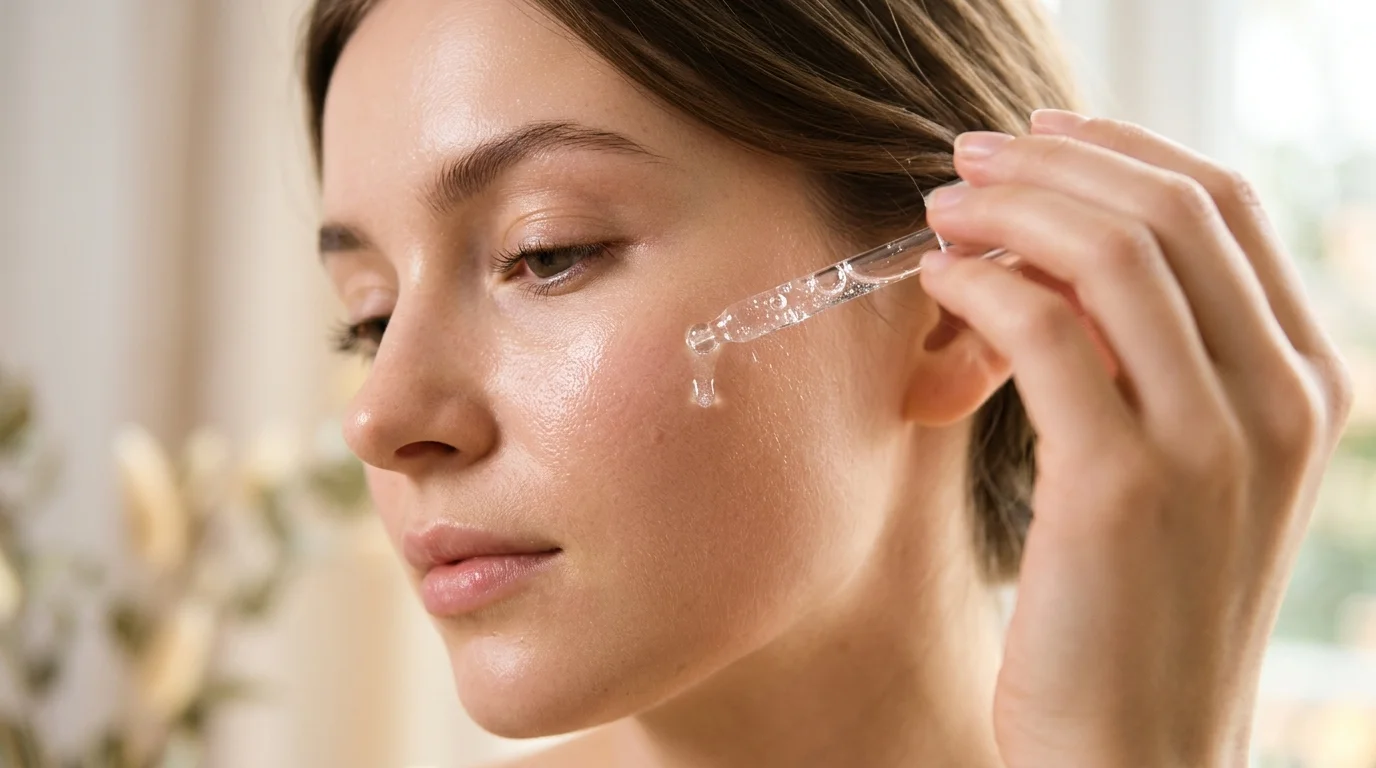
Apply 3 to 5 drops of an ectoin-enriched serum (formulated between 1% and 2%) immediately after cleansing and before your broad-spectrum sunscreen. Ectoin enhances sunscreen filters by providing a complementary cellular defense against photocarcinogenesis and oxidative damage.
2. Nighttime Synergy with Peptides and Ceramides
Pairing ectoin with biomimetic ceramides and niacinamide in your evening routine creates optimal conditions for lipid mantle restoration during restorative sleep cycles, when skin repair naturally peaks.
3. Post-Clinical Laser or Peel Recovery
Following in-clinic treatments like microneedling, fractional lasers, or chemical resurfacing, clean ectoin ointments accelerate re-epithelialization without clogging pores or triggering post-treatment irritation.
Frequently Asked Questions (FAQ)
Can ectoin and hyaluronic acid be used together in the same routine?
Yes, seamlessly. Hyaluronic acid brings water to the epidermal surface, while ectoin forms the physical osmoprotective shield that locks that moisture into cellular structures. Many next-generation formulas now blend both actives for instant plumping combined with long-term barrier retention.
Is ectoin safe for oily or acne-prone skin?
Yes. Ectoin is water-soluble, highly lightweight, and non-comedogenic. Because its anti-inflammatory properties soothe the underlying irritation that often drives reactive sebum overproduction, dermatologists frequently recommend it for acne-prone skin undergoing drying topical medications.
How quickly does ectoin restore a damaged skin barrier?
Clinical trials and dermatological assessments demonstrate noticeable relief from irritation and redness within 48 to 72 hours of twice-daily application. Substantive barrier thickness and resilience improvements are typically confirmed within two to three weeks of continuous use.
Trend Synthesis: The Era of Biocompatible, Protective Skincare
The meteoric rise of ectoin in global cosmetic formulation reflects a fundamental transition away from aggressive peeling routines toward biological respect and cellular recalibration. In an urbanized world characterized by environmental stressors and shifting climates, fortifying our cells against the outside environment has emerged as the definitive secret to radiant, healthy skin longevity.
Have you started incorporating ectoin-based serums into your routine, or do you still rely predominantly on conventional hyaluronic acid? Share your insights and favorite formulations in the comments!
🔗 Consulted Sources & References:
- Allure Magazine — The Rise of Ectoin: Why Dermatologists Are Calling It the New Hydration and Skin Barrier Hero.
- Vogue Beauty — Goodbye Damaged Barrier: How Extremophile Biotechnology Transformed Clinical Skincare.
- Cosmetic Innovation — Global Report on Active Ingredients and Osmoprotectants in the Dermocosmetics Market.
- Cosmetics & Toiletries — Cellular Protection and Transepidermal Water Loss Mitigation via Ectoine Formulations.
Medical & Health Disclaimer
The information provided in this article is for educational and informational purposes only and does not constitute medical advice, diagnosis, or treatment. Always consult a qualified physician, nutritionist, or healthcare provider before beginning any supplement regimen or making changes to your wellness routine.