
For decades, the after-work playbook in corporate hubs was virtually unalterable: crowded taverns, heavy appetizers, elevated noise levels, and the subtle, lingering fog of a next-day hangover. Yet, across major global metropolises, a quiet cultural shift is transforming how urbanites spend their weekday evenings. In São Paulo, New York, London, and Toronto, young professionals, entrepreneurs, and Gen Z are trading cocktail bars for a revitalizing epicenter of human connection: Social Wellness Clubs and the shared ritual of contrast therapy.
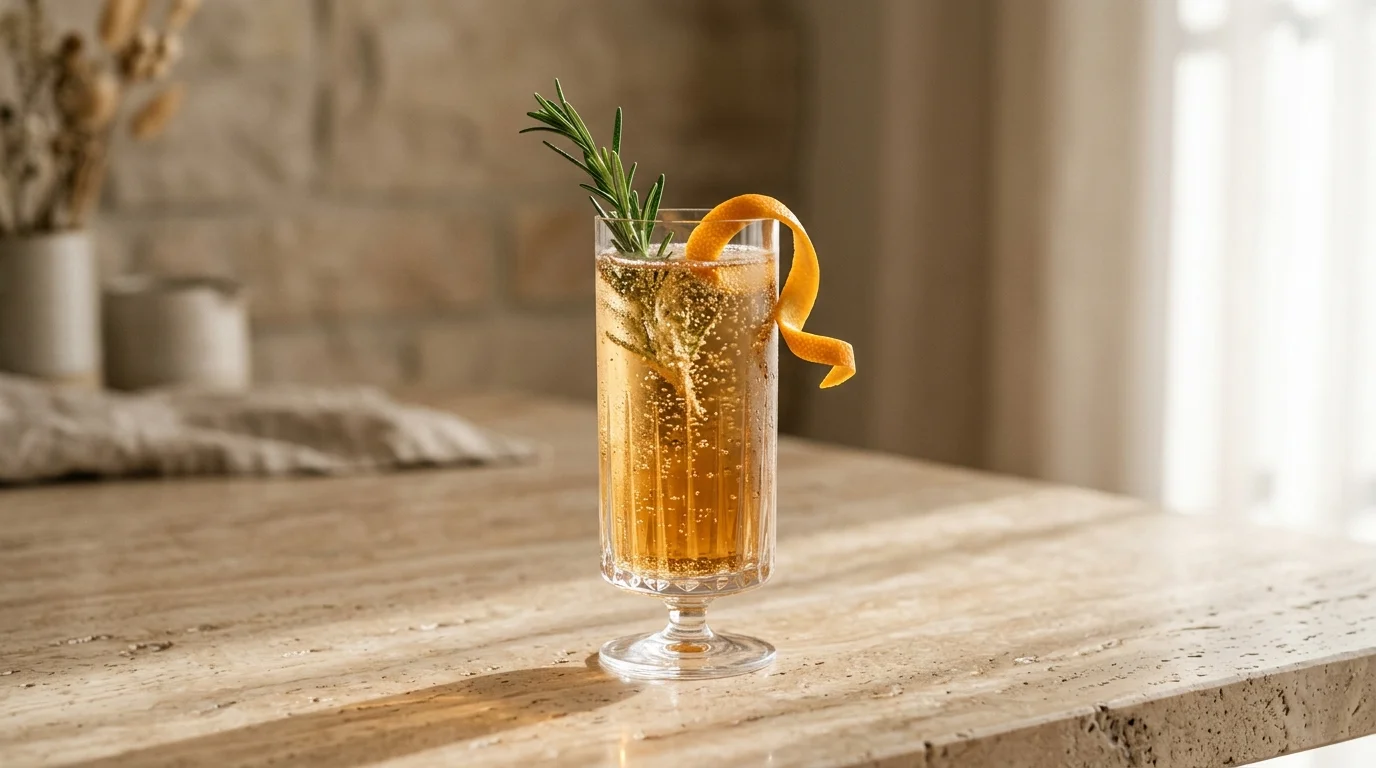
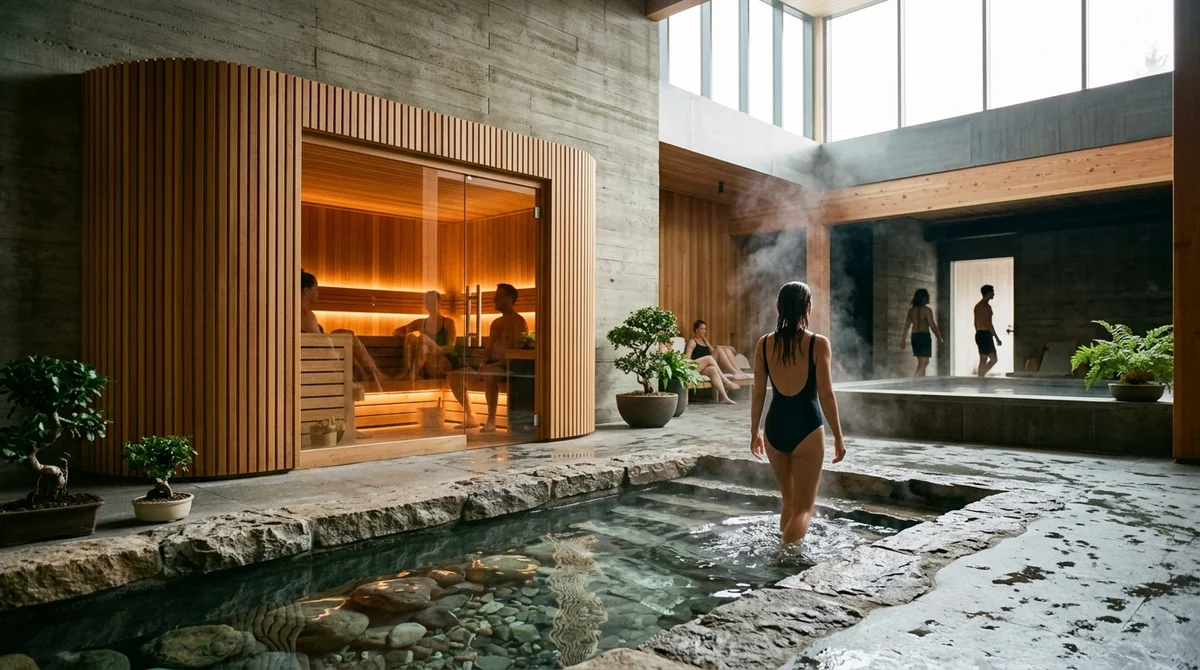
Diverging completely from the austere, hushed ambiance of legacy destination spas — where even a whisper feels like a violation —, these innovative venues merge cedar Finnish saunas heated to 85°C (185°F), crystal-clear cold plunge pools sitting at 3°C (37°F), guided breathwork sessions, and vibrant social lounges serving adaptogenic mocktails, artisanal coffee, and meaningful conversation. They represent the modern resurrection of sociologists’ cherished concept of the “Third Place”: an environment neither home nor office, where genuine community and physical vitality intersect.
Key Takeaways: What You Need to Know
- The Mindful Drinking Momentum: A measurable, generational drop in alcohol consumption has created massive demand for intoxicating-free social spaces that foster presence over numbness.
- The Neurobiology of Thermal Shock: Shifting rapidly between intense dry heat and icy water unleashes a sustained surge in plasma dopamine (up to 250% above baseline) and norepinephrine, delivering lasting mental clarity and energy without a crash.
- Urban Hubs Leading the Way: Spearheaded internationally by innovators like Othership and Remedy Place, pioneering Brazilian concepts like Kontrast in São Paulo boast waitlists and subscription memberships popular with tech founders and creatives.
The Physiological Shock: What Happens to the Body Between 85°C and 3°C
Contrast therapy is not an overnight novelty; it draws from millennia of thermal bathing traditions, from the Nordic wood-fired sauna and Russian banya to Roman caldariums and frigidariums. What distinguishes the movement in 2026 is rigorous clinical validation and its contemporary social integration.
When entering an 80°C to 90°C sauna for 15 minutes, human physiology responds similarly to moderate cardiovascular exercise:
- Vasodilation and Heat Shock Proteins (HSPs): Peripheral blood vessels dilate, heart rate climbs to 100-120 bpm, and cells actively produce heat shock proteins that repair misfolded intracellular proteins and support metabolic health.
- Instantaneous Vasoconstriction in the Plunge: Stepping immediately into a cold plunge pool (2°C to 5°C) for 2 to 3 minutes triggers systemic vasoconstriction, driving oxygenated blood back toward core vital organs to preserve heat.
- Sustained Dopamine and Norepinephrine Release: Landmark neurobiological studies from Stanford University highlight that acute cold water exposure elevates circulating norepinephrine by up to 500% and dopamine by 250%. Unlike the sharp spike and subsequent crash of caffeine or alcohol, this dopamine elevation persists steadily for hours, yielding a calm, focused, and naturally elevated mood.
The Return of the ‘Third Place’: Why the Traditional Bar Lost Its Spark
In the 1980s, sociologist Ray Oldenburg established that a thriving society relies on three distinct pillars: the first place (home), the second place (work), and the third place (cafés, public squares, community hubs where citizens convene to relax and build social capital).
Over the past two decades, hyper-digital lifestyles and distributed work arrangements dismantled these analog third places, confining social life to mobile screens. For a generation weary of isolated screen time and increasingly aware of alcohol’s systemic inflammatory toll, traditional nightlife has lost its allure.
Inside a modern social bathhouse, facing the bracing discomfort of freezing water serves as an immediate social equalizer. Because everyone in the space shares the same vulnerability and collective resilience under atmospheric lighting and soundscapes, conversations flow with an honesty and warmth rarely observed in alcohol-driven environments.
Market Expansion: Memberships, Executive Networking, and Longevity
In Brazil and across the Americas, the concept has found immense traction among urban professionals prioritizing active longevity. Venues such as Kontrast in São Paulo were conceived around this intersection: combining minimalist biophilic architecture, spacious communal saunas, precision-temperature cold baths, and wellness terraces offering zero-proof botanicals and functional tonics.
Operating largely on tiered membership models — ranging between R$ 500 and over R$ 1,500 monthly —, these clubs grant access to communal contrast circuits guided by breathwork facilitators, alongside talks on mitochondrial optimization, biohacking, and corporate leadership. For luxury lifestyle, activewear, and nutrition brands, social wellness clubs have quickly become the most influential experiential platforms in the market.
Medical Guidelines and Prudent Safety Standards
While the physiological benefits of contrast therapy for mood, systemic recovery, and autonomic regulation are extensively documented, cardiologists from the American Heart Association and the Brazilian Society of Cardiology urge thoughtful prudence.
Acute temperature swings exert substantial sudden demand on the cardiovascular apparatus:
- Absolute Contraindications: Individuals with unmanaged arterial hypertension, significant cardiac arrhythmias, coronary artery disease, history of aneurysms, or pregnant women should strictly avoid extreme contrast therapy without physician sign-off.
- Gradual Adaptation: Beginners should begin conservatively with 1-minute cold immersions at milder temperatures (10°C to 12°C) and moderate saunas, focusing on rhythmic nasal breathing to prevent hyperventilation or sudden orthostatic hypotension when exiting.
Frequently Asked Questions
How long should one stay in the sauna and cold plunge during a contrast circuit?
The widely adopted protocol in leading wellness clubs involves 10 to 15 minutes of heat in the sauna (75°C to 85°C), followed immediately by 2 to 3 minutes of cold water immersion (3°C to 6°C). Repeating this cycle 2 to 3 times and ending on the cold plunge helps sustain anti-inflammatory and neurochemical benefits throughout the day.
What advantages does contrast therapy offer over a simple hot sauna session?
Rapidly alternating between heat and cold creates a dynamic “vascular pump”: maximal vasodilation followed by swift vasoconstriction enhances peripheral circulation, lymphatic drainage, and accelerates neuromuscular recovery, while triggering a significantly higher and more stable dopamine response than heat alone.
Can contrast therapy be practiced on a daily basis?
For healthy individuals, participating in contrast circuits 2 to 4 times weekly is typically sufficient to harvest the full spectrum of metabolic, mood, and recovery benefits. Furthermore, heavy cold immersion immediately following hypertrophic resistance workouts should be spaced by at least 2 to 4 hours to avoid blunting muscle protein synthesis signaling.
Conclusion: Celebrating Shared Human Vitality
The rapid emergence of Social Wellness Clubs signals a cultural evolution in how urban communities gather, unwind, and invest their leisure time. By trading temporary escapes for the visceral clarity of heat and cold, people are discovering a healthier, more authentic avenue to clear the mind, build resilience, and forge genuine human relationships.
Would you trade a round of Friday night cocktails for 15 minutes in a cedar sauna followed by 3 minutes in an ice bath? Share your thoughts with us!
🔗 Consulted Sources & Scientific References:
- WGSN Consumer Trends — The Social Wellness Revolution: The decline of alcohol culture and the new third places
- American Journal of Medicine — Cardiovascular and metabolic adaptations to sauna bathing and cold-water immersion
- Exame — A ascensão dos clubes de longevidade e terapias térmicas no Brasil
- Stanford Medicine Research — Mechanisms of dopamine release and autonomic regulation under thermal stress