

There was a time when the undisputed highlight of young social life unfolded strictly between midnight and dawn: inflated door covers, endless queues, deafening music that crushed any genuine conversation, and a near-obligatory weekend hangover. That ritual, however, is rapidly losing its cultural grip. In 2026, the premier place “to see and be seen” across Brazilian metropolises begins at 7:00 AM on a crisp, sunlit Saturday morning, laced up in cushioned running shoes and surrounded by dozens of welcoming strangers: the explosive rise of urban Run Clubs.
Far beyond a conventional athletic workout or marathon training squad, urban running collectives have mutated into the most vibrant socio-behavioral movement of recent years. In powerhouses like São Paulo, Rio de Janeiro, Curitiba, and Belo Horizonte, groups such as Midnight Runners, Vem Com Nois, Corre Bonito, and countless grassroots neighborhood crews assemble hundreds of runners for friendly 5K to 10K loops punctuated by curated stops at artisan sourdough bakeries, third-wave specialty cafes, and public plazas.
Macro-trend forecasts from WGSN and annual mobility datasets from Strava point to an identical cultural undercurrent: younger demographics are fundamentally redesigning the concept of physical community, prioritizing active daytime socializing, mental decompression, and authentic face-to-face bonds over crowded, alcohol-drenched nightlife.
💡 Key Takeaways
- The New “Third Place”: The essential community anchor outside home and the hybrid workstation has been claimed by running crews, directly curing modern urban loneliness and screen isolation.
- Replacing Dating Apps: Weary of endless superficial dating app swiping, urbanites have turned run clubs into organic, low-pressure venues for dating, authentic friendships, and effortless networking.
- The Economic Shift in Lifestyle: Discretionary budgets once earmarked for VIP nightclub tables and premium cocktails have pivoted to carbon-plated running shoes, chic athleisure wardrobes, and celebratory post-run brunches.
From Nocturnal Burnout to Daytime Restoration
This profound cultural migration toward run clubs is powered by deep psychological and generational shifts. Chief among them is collective screen fatigue and the cognitive overstimulation of digital workspaces. Spending Friday night in a dark, bass-heavy club no longer feels like a restorative escape; for many, it simply amplifies stress and sleep debt.
Group running, by contrast, delivers instant neurochemical equilibrium: synchronized endorphin and dopamine release paired with the rhythmic tempo of collective movement. Running shoulder-to-shoulder with fellow humans invokes a primal sense of solidarity and mutual trust.
Furthermore, contemporary run clubs are explicitly designed to dismantle the intimidating elitism of legacy running academies:
- Connection Over Competition: Nobody needs a sub-four-minute kilometer pace. Gatherings feature split pace groups, walk-jog options, and friendly regrouping checkpoints.
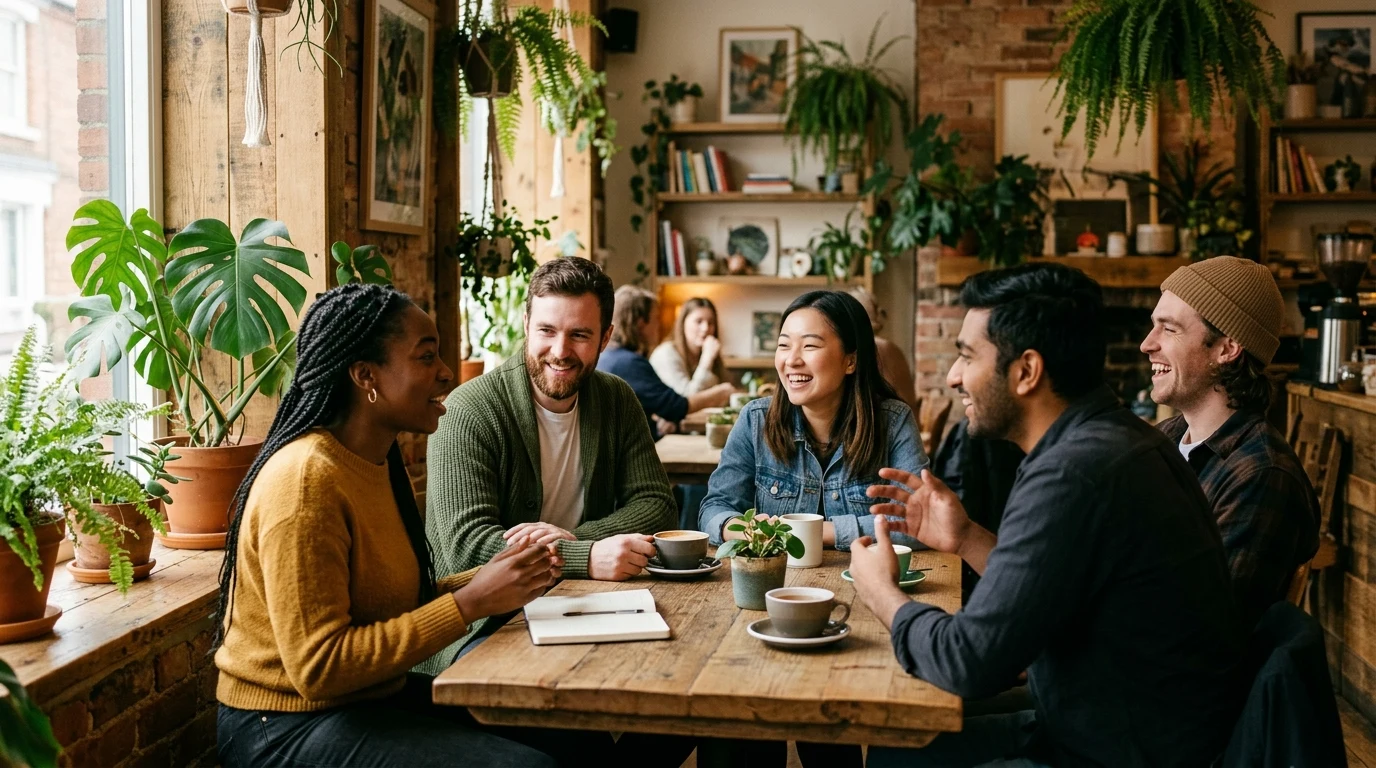
- The Post-Run Coffee Ritual: The genuine emotional climax is not the stopwatch finish, but the collective bakery gathering that follows. Sharing fresh pastries, cold-pressed juices, and unhurried laughter at communal patio tables is where genuine social capital is built.
The New Offline “Dating Scene” and the Sober-Curious Momentum
It is no secret that running clubs have gone viral across social media as the premier way for singles to connect offline. The psychological dynamics make natural sense:
- Zero Pretense: Being sweaty in functional sportswear strips away curated Instagram filters and corporate status markers.
- Shared Life Philosophy: Showing up early on a weekend morning immediately signals shared values regarding discipline, wellness, and mindful living.
- Low-Stress Interaction: Jogging or walking side-by-side naturally softens the pressure of continuous, direct eye contact common in traditional dinner dates.
Simultaneously, the Sober Curious ethos (consciously opting out of binge drinking) has taken deep root in urban Brazil. Young professionals keen on reclaiming their entire weekend find positive reinforcement in run clubs: Sundays are energized, vibrant, and clear-headed.
❓ Frequently Asked Questions (FAQ)
Can beginners or non-runners join a run club?
Absolutely. Almost all modern urban run clubs intentionally accommodate beginners with dedicated walk-and-run pacers (typically covering 3K to 5K at conversational speeds). The primary ethos is community celebration, not competitive athletics.
Are run clubs free to join, or do they charge fees?
The vast majority of viral urban run clubs are completely free and open to the public. They operate as volunteer-led grassroots communities or brand-supported lifestyle clubs. Attendees simply show up at the scheduled meeting point announced on social channels.
Are traditional nightclubs and bars doomed to disappear?
Not disappear, but undergo mandatory reinvention. Venues relying on overpriced alcohol, ear-splitting volume, and impersonal service will continue to lose daytime-oriented patrons. Progressive hospitality operators are already pivoting toward earlier operating hours, sophisticated mocktail menus, and day-party wellness collaborations.
The City Streets as a Canvas for Human Connection
The nationwide explosion of run clubs across Brazil answers an innate human craving that algorithms cannot fulfill: the desire for embodied presence, communal belonging, and collective vitality.
By trading the midnight fog of crowded dancefloors for the golden rays of dawn along tree-lined avenues, an entire generation is redrawing the map of daily joy. And on this fresh route, crossing the finish line together is immeasurably more rewarding than running alone.
🔗 References & Official Sources:
- WGSN Consumer Lifestyle — Forecasts on urban community hubs, collective wellness, and modern social rituals.
- Forbes Brasil — Market reports on the Brazilian running boom, active lifestyle economics, and Gen Z consumer habits.
- Strava Metro & Year in Sport — Global and regional metrics on social running trends and community fitness engagement.
- Consumidor Moderno — Research on digital detoxing, mental health, and the sober-curious phenomenon in Brazil.
- Meio & Mensagem — Industry insights on urban sportswear branding, athleisure, and community-driven marketing.