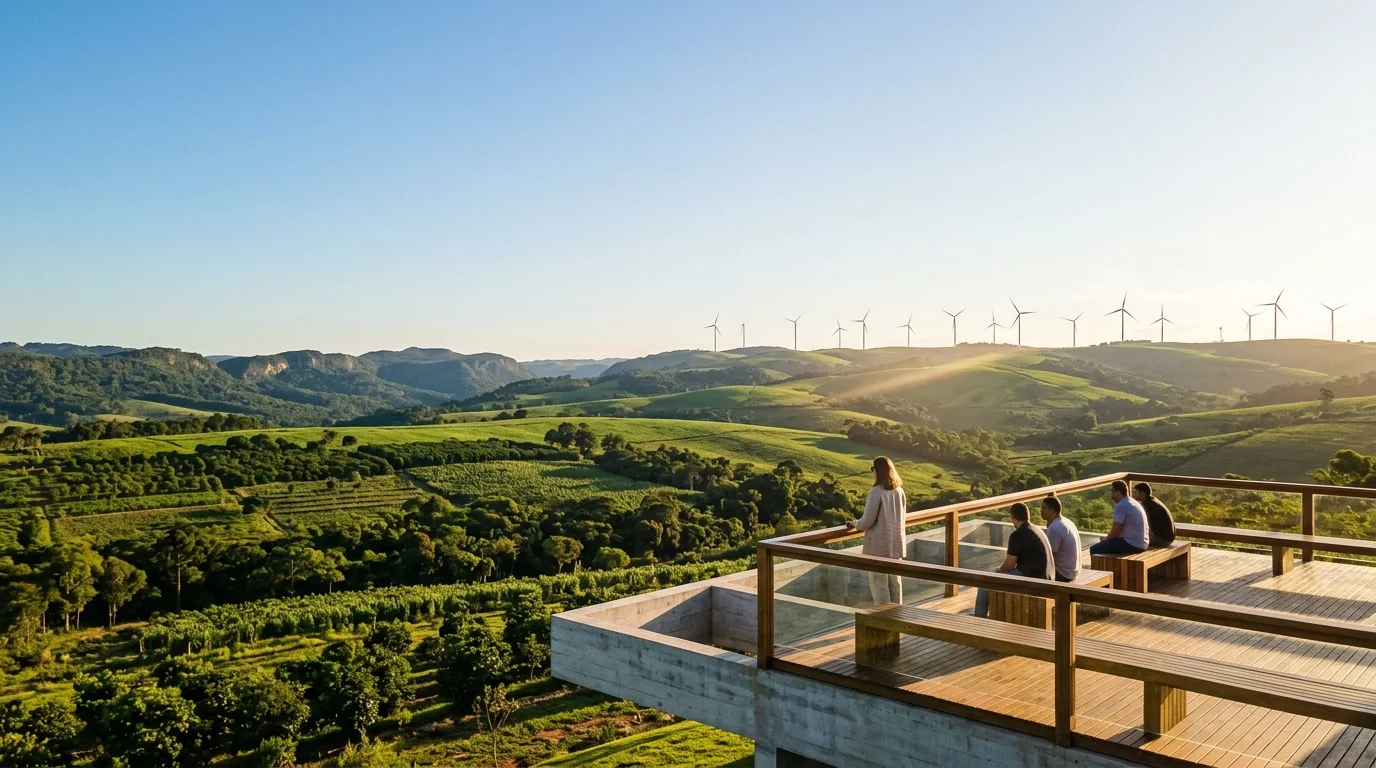

The global clean energy transition—accelerated by automotive electrification and grid-scale storage for renewable energy—has triggered a fierce international scramble for critical raw materials. At the heart of this geopolitical chess match is lithium, the indispensable chemical cornerstone of modern energy density. Yet, as conventional extraction methods in South American salt flats and Asian hard-rock pits draw intense scrutiny over aquifer depletion, chemical runoff, and high carbon footprints, a historic region in Brazil has unveiled an inspiring counter-model: the Green Lithium Valley of the Jequitinhonha region in Minas Gerais.
Pioneering industrial dry-stacking filtration, operating with zero liquid tailings dams, powered by 100% renewable hydroelectric power, and recycling over 90% of industrial process water in a continuous closed loop, Brazilian green lithium has quickly captured premier off-take contracts from prestigious European and North American electric vehicle manufacturers. What was once one of Brazil’s most economically vulnerable regions is attracting billions of dollars in foreign direct investment, establishing new global ESG standards for modern mineral extraction.
Key Takeaways: What You Need to Know
- World-Class Carbon Efficiency: Hard-rock spodumene processed in Minas Gerais achieves one of the lowest verified carbon intensity ratings globally, relying entirely on clean grid power and chemical-free dense media separation.
- Full Digital Traceability: Operating in strict compliance with the European Union’s landmark Battery Regulation, every metric ton originating from Jequitinhonha is certified with an immutable blockchain-backed digital battery passport.
- Transformative Regional Impact: The green lithium ecosystem has generated over 10,000 certified skilled jobs and local vocational programs, driving a socio-economic renaissance across the semi-arid valleys of Minas Gerais.
Technical Superiority: Zero Tailings Dams and Dry-Stack Precision
Given Brazil’s past industrial mining vulnerabilities, modern engineering demanded that any next-generation critical mineral operation eliminate structural dam risks from day one. In the Jequitinhonha Valley, pioneering operators including Sigma Lithium and international joint ventures deployed Dense Media Separation (DMS) plants that completely bypass hazardous reagents, such as sulfuric acid, during the primary concentration phase.
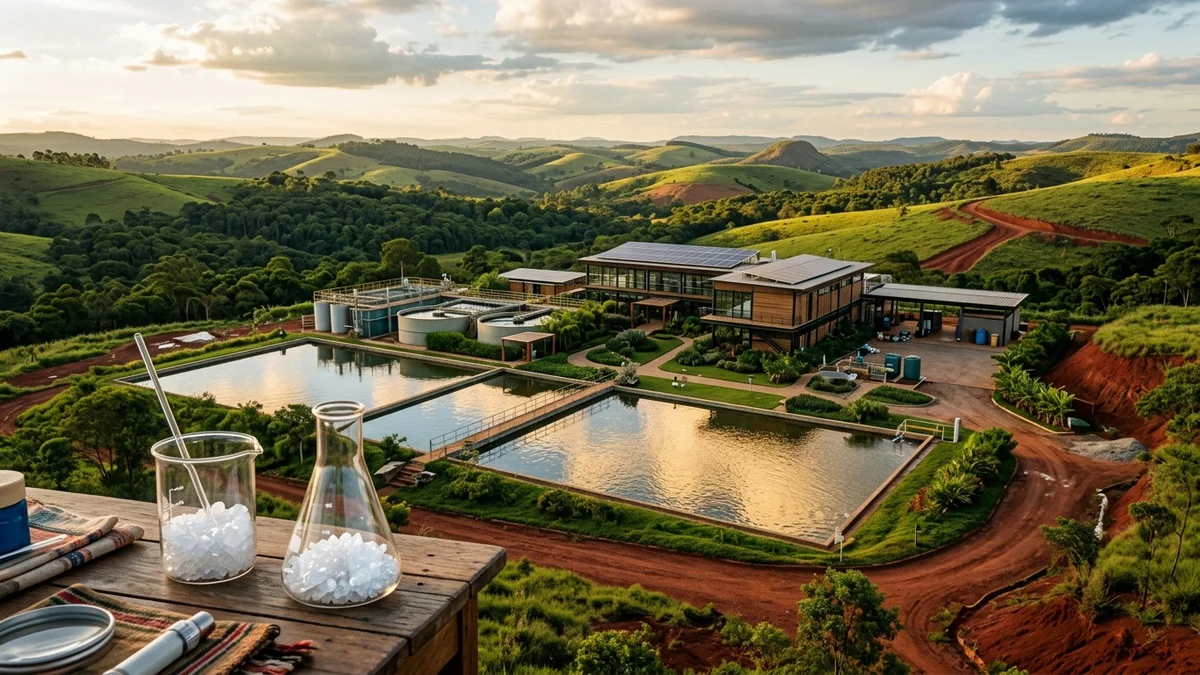
Technical documentation corroborated by Exame ESG and reports from the Brazilian Ministry of Mines and Energy (MME) confirm that high-pressure vacuum belt filters dehydrate mineral tailings into inert solids (dry tailings). This processed material is safely backfilled and re-contoured into native terrain, facilitating the immediate reforestation of indigenous Cerrado flora.
Furthermore, closed-loop hydrology ensures that over 90% of industrial process water is recycled endlessly on site. Any supplemental water needed is procured exclusively from regional treated municipal sewage streams, completely shielding community drinking aquifers and agricultural rivers from industrial competition.
       [Green Lithium Process - Jequitinhonha]
                         │
      ┌──────────────────┼──────────────────┐
      ▼                  ▼                  ▼
Dense Media Sep.    Dry-Stack Solids   Closed-Loop Hydro
 (Chemical-Free)     (Zero Tailings)    (90%+ Recycled)
      │                  │                  │
      └───────────► [Green Lithium] ◄───────┘
              European ESG Passport
The EU Digital Battery Passport and Brazil’s Competitive Advantage
The operational implementation of the European Union’s Green Deal and mandatory Battery Passports has redefined procurement parameters for the global automotive industry. Automotive original equipment manufacturers (OEMs) marketing vehicles in the European single market must now document origin-to-pack raw material provenance, local human rights compliance, and strict carbon footprint limits per kilowatt-hour (kWh).
Premier automotive conglomerates—including Volkswagen Group, Stellantis, BMW, and Tesla—have directed aggressive procurement teams toward Brazil. While brine extraction in Chile and Argentina consumes billions of liters of fossil water in fragile desert basins, and Chinese hard-rock refining remains dependent on coal-heavy power grids, Brazilian spodumene reaches Atlantic maritime ports carrying the lowest greenhouse gas footprint in the lithium sector.
Strategic market analysis by clean energy research leader BloombergNEF highlights that premium battery-grade lithium concentrate carrying audited top-tier ESG certification commands a price premium of 8% to 15% above standard uncertified benchmarks. This commercial premium cushions Brazilian producers against cyclical commodity downturns.
Beyond Raw Extraction: Building a Vertical Battery Supply Chain
The overarching strategic question confronting Brazilian policymakers and industrial leaders is whether the country will remain an exporter of enriched green lithium concentrate or succeed in climbing the high-margin value chain through domestic chemical refining and battery cell fabrication.
Emerging public-private partnerships are already establishing battery-grade lithium hydroxide refining facilities near mining sites in Minas Gerais. This proximity eliminates the costly and carbon-intensive intermediate maritime route of shipping raw mineral concentrate to Asia for chemical conversion before reaching Western markets. Collaborative initiatives involving SENAI innovation hubs and federal engineering universities are pioneering advanced Lithium Iron Phosphate (LFP) cathode formulations tailored to Brazil’s vast natural mineral reserves.
- Domestic Chemical Refining: Expanding on-site ultra-pure lithium hydroxide processing plants.
- Mobility Cluster Synergies: Leveraging geographic proximity to Brazil’s premier automotive corridors in São Paulo, Rio de Janeiro, and Minas Gerais.
- Circular Economy Integration: Developing industrial-scale hydrometallurgical recycling programs to recover high-purity lithium, nickel, and cobalt from retired battery packs.
Frequently Asked Questions (FAQ)
What specifically qualifies Brazilian lithium from Jequitinhonha as “green”?
It is designated green due to its production metrics: 100% of the facility’s electric power is derived from zero-emission hydroelectricity, over 90% of water is continuously recycled without drawing from local drinking aquifers, no hazardous chemicals are used in physical separation, and tailings are dry-stacked without liquid dams.
How does hard-rock spodumene lithium differ from South American salt brine lithium?
Brine lithium relies on expansive open-air evaporation ponds in arid regions, a multi-year process that evaporates vast quantities of groundwater. Brazilian spodumene is extracted from hard rock through mechanized physical dense media separation, providing predictable industrial scalability and minimal environmental footprint.
Is Brazilian green lithium fully compliant with European Union regulations?
Yes. Operating mining entities in the Jequitinhonha Valley are accredited under the rigorous global IRMA (Initiative for Responsible Mining Assurance) standards and supply digital provenance data fully aligned with the carbon and ethical requirements of the EU Battery Regulation.
Key Takeaway & Strategic Outlook
The global clean energy transition will only prove truly transformative if the raw materials powering it do not replicate the ecological devastation of the fossil-fuel era. The Jequitinhonha Valley demonstrates that world-class engineering, renewable energy, and community stewardship can turn critical mineral extraction into a prosperous, sustainable blueprint for the world.
Is your enterprise’s supply chain or investment portfolio actively auditing the environmental integrity of the critical minerals fueling your net-zero roadmap?
🔗 Referenced Sources:
- Ministry of Mines and Energy (Brazil) — Strategic guidelines for the Jequitinhonha Lithium Valley and critical minerals
- Exame ESG — Special reports on sustainable mining, green industrialization, and Brazilian decarbonization
- BloombergNEF (Clean Energy & Metals) — Global battery supply chain analysis and ESG valuation premiums on critical minerals
- European Commission Environment — EU Battery Regulation and sustainable critical raw materials directives