

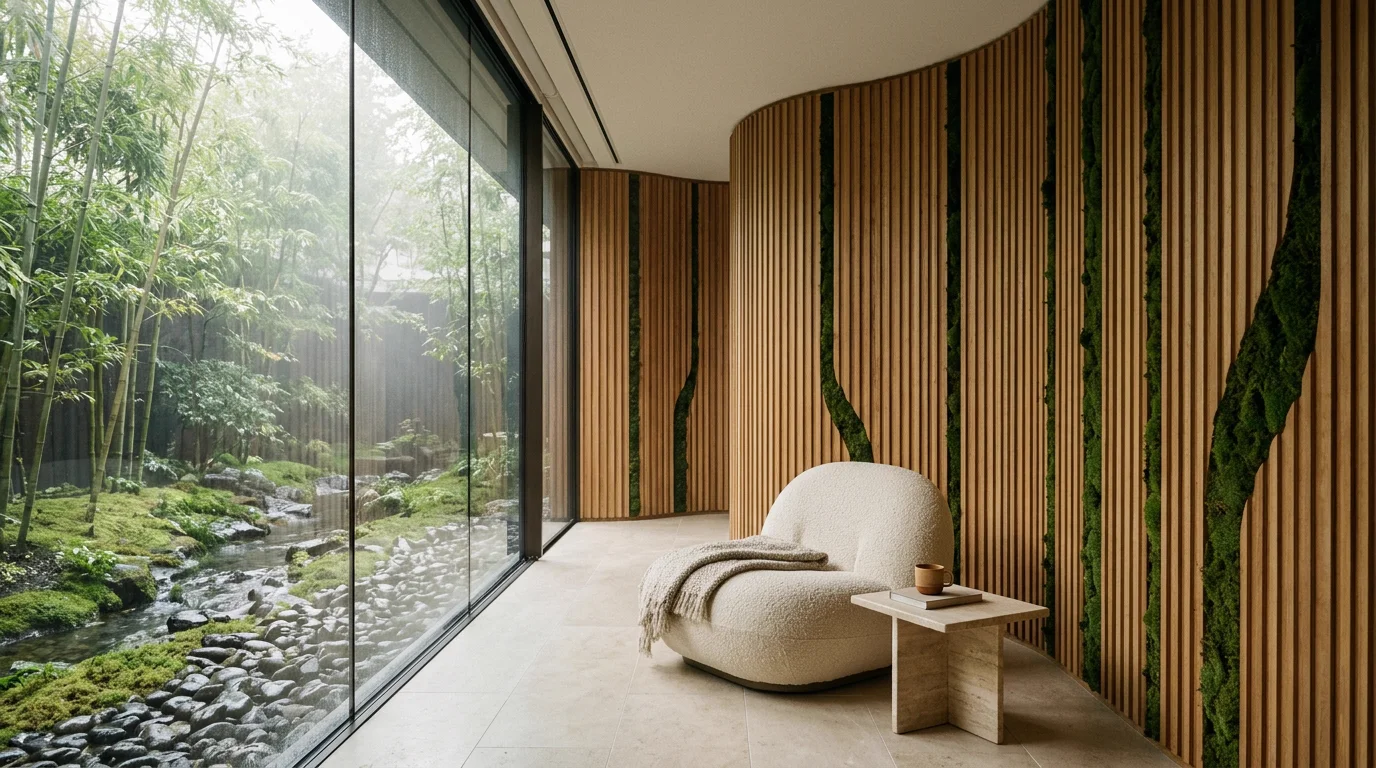
For decades, modern high-end residential architecture pursued visual drama with singular focus: towering double-height ceilings, seamless floor-to-ceiling polished marble or porcelain tiles, expansive unprotected glass curtain walls, and open-plan concepts. While undeniably photogenic in architectural magazines, these spaces harbored an insidious, chronic health hazard: relentless auditory reverberation and intrusive acoustic pollution.
The continuous drone of metropolitan traffic, screeching kitchen appliances, bouncing footsteps, and echoey family chatter transformed many contemporary luxury residences into echoing chambers of chronic neurological strain. By 2026, a fundamental shift propelled by neuroarchitecture and biophilic design has firmly established the authentic benchmark of residential living: profound silence and acoustic serenity.
The concept of “quiet homes” has transcended real estate marketing jargon to become the paramount criterion for cognitive performance and physical health. Scientific research compiled by the World Health Organization (WHO) confirms that sustained domestic noise exposure above 55 decibels elevates resting cortisol levels, disrupts nocturnal cardiovascular recovery, and systematically fractures deep restorative sleep stages. In response, forward-thinking architects and interior design ateliers across the globe and in Brazil are completely re-engineering living spaces around stringent acoustic and sensory parameters.
💡 Key Takeaways
- Silence as the Ultimate Luxury Asset: In an environment overwhelmed by sensory clutter and non-stop digital alerts, owning a home that actively guards your nervous system has become the ultimate status symbol.
- Neuroarchitecture in Everyday Life: Acustically balanced environments lower physiological stress, reduce heart rates, and restore cognitive focus for remote and hybrid professionals.
- Biophilic Acoustic Materials: Modern sound isolation has discarded ugly industrial foam; sustainable slatted timber over recycled PET felt, preserved Scandinavian moss, and cork seamlessly marry acoustic absorption with tactile warmth.
- High-Performance Soundproof Fenestration: Double or triple-glazed laminated glass incorporating argon gas thermal cavities and broken thermal bridge frames blocks up to 98% of intrusive street decibels.
The Neuroscience of Sensory Acoustics: What Happens to the Brain?
Neuroarchitecture investigates the precise biochemical reactions stimulated in the human brain by built environments. When situated within rooms characterized by hard tile floors, flat plasterboard walls, and bare expansive glass, sound waves bounce dozens of times before decaying — an acoustic defect known as excessive reverberation time. The human subconscious interprets this ambient audio assault as an ongoing environmental threat, keeping the amygdala in low-grade fight-or-flight readiness.
Conversely, when an interior integrates materials with high Noise Reduction Coefficients (NRC):
- Auditory Effort Plummets: Speech comprehension becomes effortless without raising one’s voice, eradicating the physical fatigue commonly experienced after lively dinner gatherings.
- Restored Deep and REM Sleep Architecture: Eradicating intermittent exterior noise spikes (such as abrupt bus brakes or sirens) prevents subconscious cortical micro-arousals, safeguarding cellular repair mechanisms.
- Enhanced Creative and Analytical Focus: In hybrid remote workspaces, acoustically treated rooms increase reading retention and decrease operational errors in complex analytical tasks by upwards of 30%.
Biophilic Sound Absorption: The Intersection of Nature and Material Science
The defining breakthrough of contemporary quiet architecture lies in the graceful union of acoustic functionality and organic aesthetic beauty. Acoustic elements are no longer concealed behind drywall; they have taken center stage as primary design statements:
- Slatted Timber Panels on Recycled Acoustic Felt: Crafted from FSC-certified hardwoods (such as American walnut, white oak, and Brazilian freijó) bonded to high-density felt made from recycled PET plastic bottles, these fluted panels absorb harsh mid and high-frequency sound waves with minimalist sophistication.
- Preserved Lichen and Moss Feature Walls: Scandinavian preserved reindeer moss and architectural living greenery serve as exquisite natural sound diffusers, scattering reverberant sound waves while visually reconnecting residents to the natural world.
- Expanded High-Density Cork: Harvested regeneratively from tree bark, cork offers natural antibacterial qualities, superior thermal mass, and extraordinary impact-sound insulation under hardwood flooring.
- Textured Textiles and Organic Weaves: The resurgence of heavy unbleached Belgian linens, dense cotton velvets, and thick hand-knotted wool rugs acts as decorative sound traps in living rooms and primary suites.
Industry metrics from national acoustic associations and global trend trackers like WGSN Interiors confirm that residential developments verified by recognized acoustic certifications (such as AQUA-HQE, WELL, or EDGE) consistently sell faster and command noticeable premiums in major metropolitan hubs.
❓ Frequently Asked Questions (FAQ)
Can an older, noisy apartment be acoustically treated without messy demolition?
Yes. Installing self-supporting slatted acoustic panels, hanging floor-to-ceiling heavy double-lined drapery, laying thick wool rugs over dense acoustic underlayment, and replacing hollow interior doors with solid-core wooden doors with drop-down perimeter seals eliminates corridor echoes and street noise dramatically without tearing down existing walls.
What is the essential difference between soundproofing and acoustic absorption?
Soundproofing (sound isolation) blocks exterior noise from entering a room or interior sounds from escaping (such as street traffic or loud neighbors). Acoustic absorption, on the other hand, corrects the internal audio quality within a specific room, removing unpleasant echoes and flutter to make conversation and audio listening crisp, natural, and calm.
Does integrating high-level acoustic design substantially inflate construction budgets?
Incorporating acoustic engineering early during the architectural drafting stage typically adds only 3% to 6% to the total construction or remodeling budget. Conversely, attempting to fix severe acoustic failures after a building is finished and occupied can cost up to four times as much, making early planning vastly more economical.
Reclaiming the Personal Sanctuary
In a frantic global culture overloaded with digital screens and acoustic chaos, quiet sensory homes restore what modern urban life relentlessly stripped away: the sovereign right to hear oneself think.
True architectural refinement in 2026 is not measured by imposing visual monuments that exhaust the senses, but by cultivating an acoustic sanctuary where the human spirit can truly rest in peace.
🔗 References & Authoritative Sources:
- ProAcústica (Brazilian Association for Acoustic Quality) — Building performance standards (NBR 15575), decibel thresholds, and architectural acoustic metrics.
- NeuroAU (Brazilian Academy of Neuroarchitecture) — Academic research on environmental psychology, neurological stress reduction, and restorative interiors.
- World Health Organization (WHO) — Environmental Noise Guidelines for the European and Global Regions, cardiovascular and cognitive impacts.
- WGSN Interiors & Lifestyle — Consumer forecasts on biophilic design, domestic sanctuaries, and the rise of silent luxury.
- Architectural Digest — Global editorial features covering modern sensory architecture, fluted acoustic woodwork, and peaceful interiors.