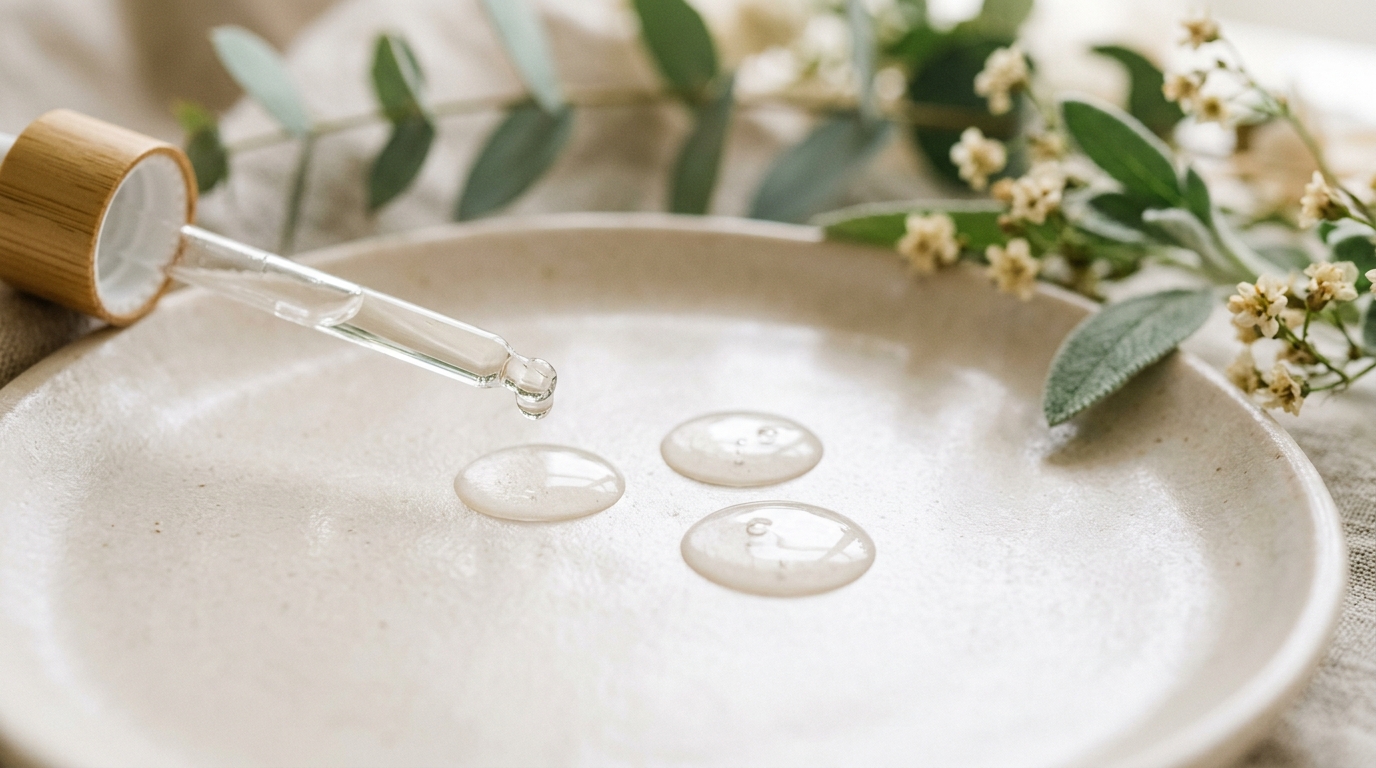
For more than a decade, algorithmic social media feeds operated as an unrelenting showroom of hyper-consumption. Rapid-fire “weekly shopping hauls,” vanities overflowing with half-used cosmetic bottles, and the manic pursuit of micro-trends defined the aspirational baseline for connected generations. Yet a combination of stimulus fatigue, lingering inflation, and heightened ecological awareness has triggered a profound cultural counter-reaction.
In 2026, the movement capturing millions of views and reshaping modern brand strategies is universally known as “underconsumption core”. Far from the sterile, sterile minimalism that insists on owning only three monochrome t-shirts, this burgeoning ethos celebrates the joyful, deliberate, and exhausted utility of the possessions you already own.
💡 Key Takeaways
- Rejecting Disposable Flexing: Underconsumption core highlights finishing every drop of a product, mending worn garments, and defying algorithmic pressure to buy non-essentials.
- Economic Reality & Authentic Sustainability: Consumer surveys show over 80% of individuals are actively prioritizing waste reduction and mindful spending throughout 2026.
- The New Status Symbol: Holding onto a tight curation of durable, well-loved goods with real personal histories is now seen as the ultimate hallmark of discernment and emotional maturity.
Why Has Underconsumption Become the New Cultural Standard?
Recent cultural reporting from The Guardian and consumer sentiment tracking by WGSN reveal that underconsumption core is a collective antidote to fast-retail burnout.
Instead of flexing sprawling sneaker collections or impulsive cosmetic packages shipped from cross-border bargain apps, digital creators are sharing videos of chipped ceramic coffee mugs steeped in emotional nostalgia, denim jeans patched with visible sashiko stitching, and lotion bottles sliced in half to extract the very last application.
This shift runs far deeper than visual aesthetics; it represents a psychological recalibration. Choosing not to purchase has transformed into an active, empowering statement against platforms designed to monetize human attention every waking second.
[Legacy Hyper-Consumption (2015-2023)]
      | (Impulsive Accumulation + Credit Card Stress + Landfill Guilt)
      v
[Underconsumption Core (2026)]
      |--> Emotional Stewardship: Fewer goods, maximized utility and repair
      |--> Financial Clarity: Capital redirected to experiences, wellness, and peace
      |--> Lasting Identity: Cherishing items that stand the test of time
Global Movement, Local Resonance: The Rise of Mindful Living
Across global markets and regional dynamics like Latin America, underconsumption resonates intimately with current household economics. Insights from small business confederations such as Sebrae highlight that modern consumers have restructured domestic budgets toward multifunctionality, durability, and transparent sourcing.
Concurrently, the ethos converges seamlessly with the celebration of regional craft and artisanal heritage. Discerning buyers increasingly choose a single handmade ceramic piece from local artisans or solid certified timber furniture that will stay in the family for decades, rather than scores of brittle synthetic decor items destined for a trash bin within months.
Retail brands that previously survived on disposable weekly fashion cycles are already feeling the tremors: lifetime warranties, buy-back programs, concentrated eco-refills, and in-store repair stations have rapidly shifted from optional marketing perks to fundamental baseline expectations.
Three Daily Practices of the Underconsumption Lifestyle
- The Empty-Before-New Mandate: Skincare products, wardrobe staples, or kitchen wares are not replaced until the existing item is completely exhausted, repaired, or thoughtfully repurposed.
- The Renaissance of Repair: Neighborhood tailors, cobblers, and DIY restoration channels are once again symbols of practical savvy and timeless elegance.
- The 72-Hour Friction Rule: Consumers systematically delete impulsive shopping app notifications and impose a mandatory three-day waiting window before confirming any non-essential purchase.
Frequently Asked Questions (FAQ)
Is underconsumption core simply another label for extreme minimalism?
No. Extreme minimalism often pressures people into discarding functioning possessions to chase an empty, austere aesthetic. Underconsumption core accepts whatever belongings you currently own, urging you to care for them, use them thoroughly, and keep them out of landfills.
How are retail brands responding to this decline in impulse shopping?
Visionary brands are pivoting from high-volume obsolescence toward service-oriented models, modular repairability, refillable packaging, and certified pre-owned marketplaces that generate recurring customer loyalty.
Does widespread underconsumption hurt the broader economy?
Economists note that money unspent on disposable novelties does not evaporate; it gets systematically reallocated into high-value investments, experiential travel, continuing education, preventative health, and durable local craftsmanship.
Trend Summary: The Luxury of Having Enough
In a commercial world obsessed with pitching quick-fix consumer solutions to emotional voids, realizing that you already possess enough is the ultimate declaration of freedom. Underconsumption core reminds us that true luxury is not measured by the cardboard delivery boxes stacked outside our doors, but by the quiet peace of truly cherishing what is already in our hands.
How are you navigating consumption pressures in your daily routine? Have you embraced mending and finishing what you own? Join the conversation with the Onda Conecta community!
🔗 Consulted Sources & References:
- The Guardian — Cultural analysis on the global rise of underconsumption core and youth consumer behavior.
- WGSN — Strategic macro-trend forecasts on mindful consumption, sustainability, and longevity.
- Sebrae Nacional — Market research on regional consumer trends and sustainable domestic spending.