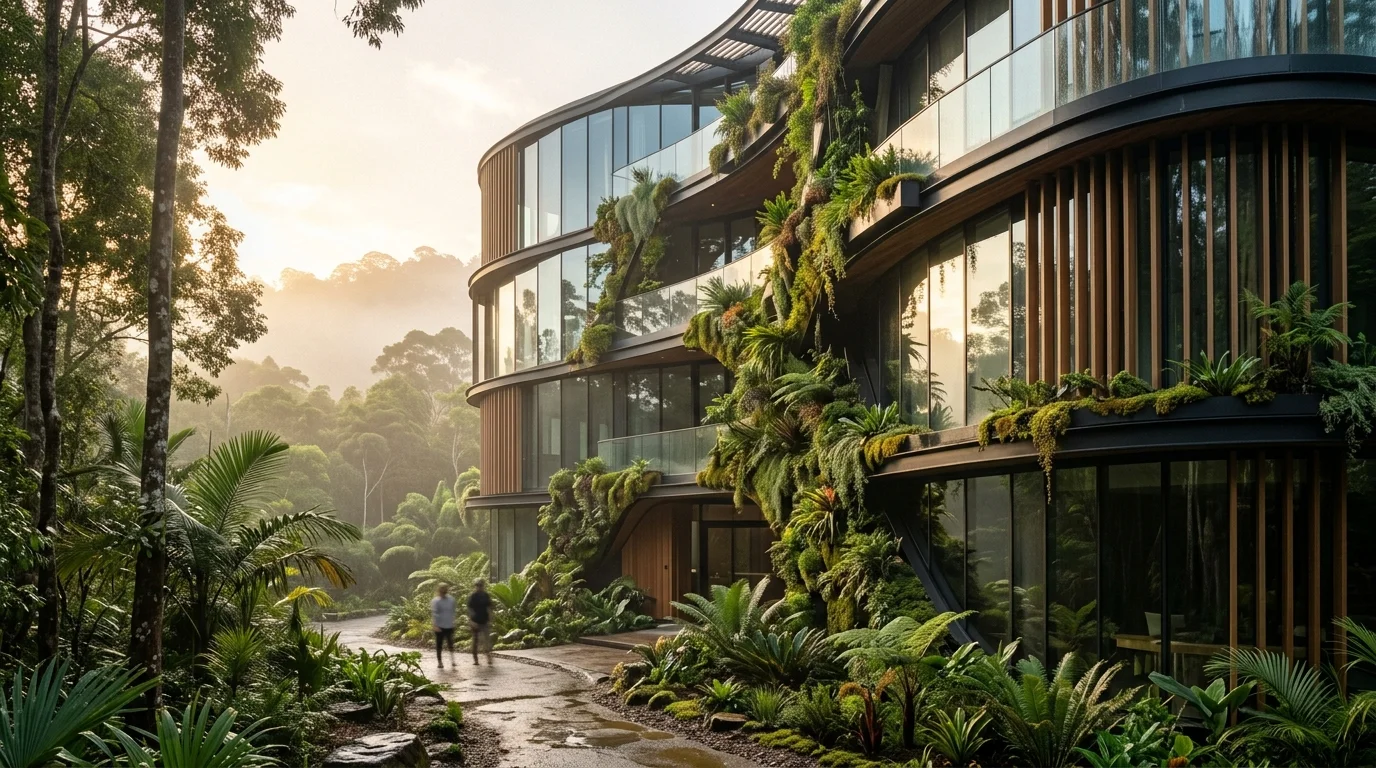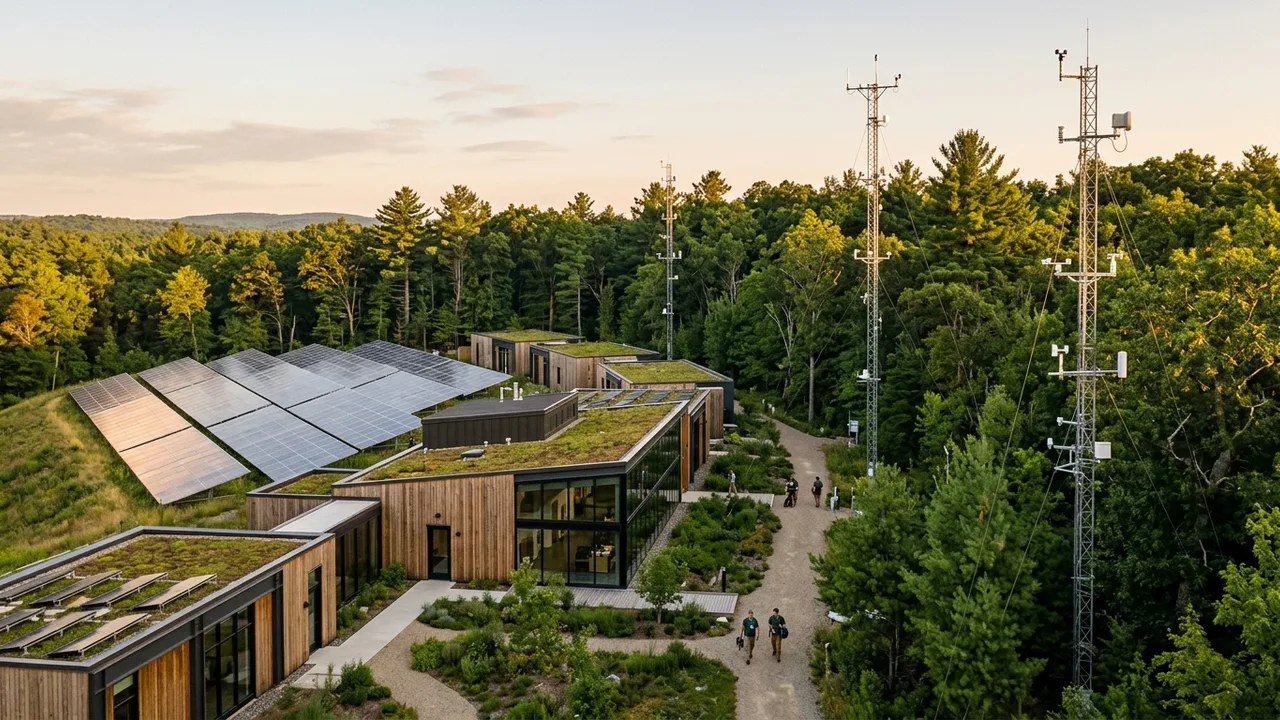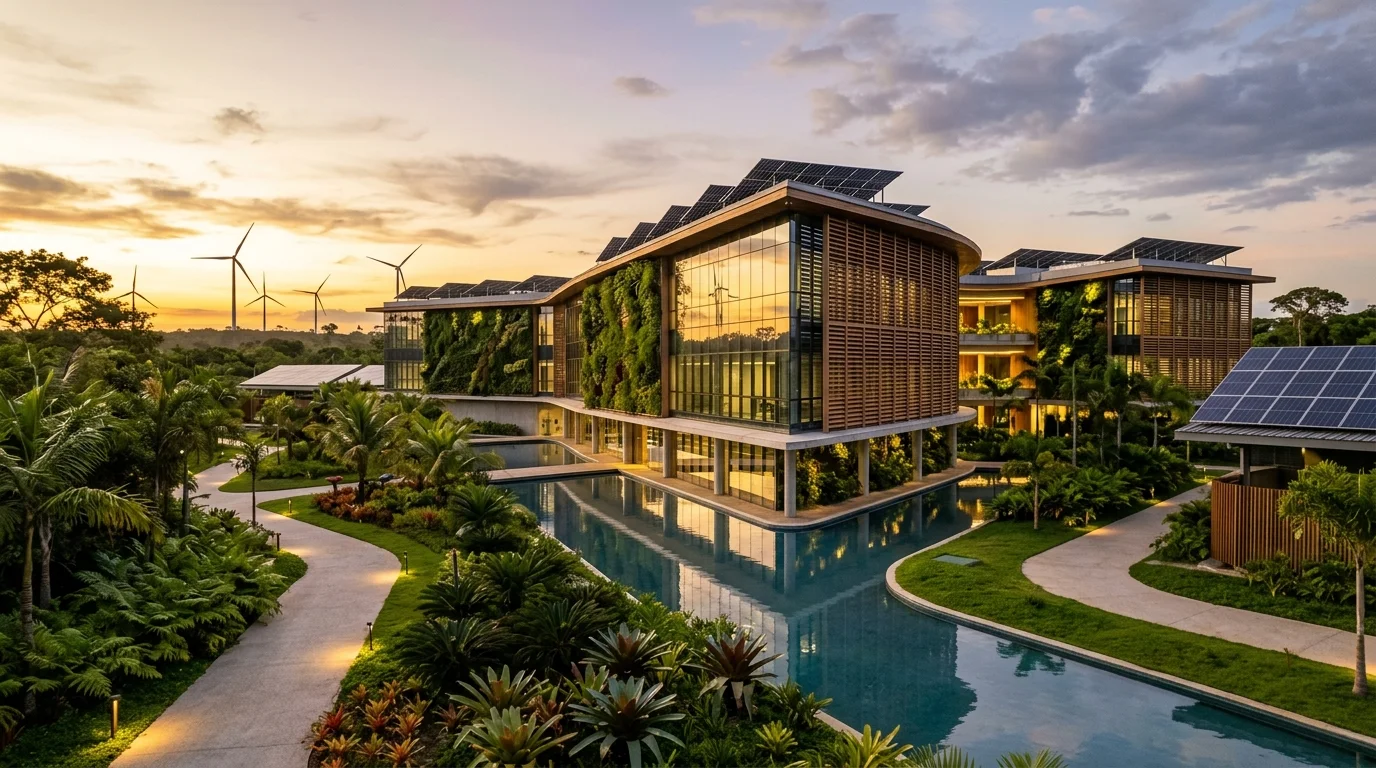
The global race for Artificial Intelligence dominance has unleashed an environmental paradox that the tech industry can no longer afford to evade: an insatiable demand for continuous electricity and cooling water required to power high-density compute clusters. While data center developments across Northern Virginia and Western Europe face severe grid interconnection backlogs and local community pushback over water stress, Brazil has emerged as the most attractive destination on earth for sustainable digital infrastructure.
This strategic positioning reached institutional maturity with the formal enactment of the Special Tax Regime for Datacenter Services (Redata). The landmark legislation offers substantial tax exemptions on the import and domestic purchase of mission-critical hardware, with a pivotal condition unprecedented in international policy: fiscal benefits are tied to enforceable environmental commitments regarding renewable power sourcing and water conservation.
💡 Key Takeaways
- Incentives Tied to Green Safeguards: Redata suspends federal taxes (IPI, PIS/Cofins, and Import Duties) for data center construction, in exchange for mandatory contracts delivering 100% clean, renewable energy.
- Strict Water Efficiency Metrics: The framework mandates a Water Usage Effectiveness (WUE) ceiling of 0.05 liters per consumed kWh, accelerating the adoption of closed-loop liquid and direct-to-chip cooling systems.
- Economic Scale and R&D Commitments: With investments scaling up to R$ 25 billion ($4.5B USD) for a single 100 MW AI campus, operators must allocate 2% of equipment values into local Brazilian R&D and reserve 10% of computing capacity for the domestic market.
1. The AI Power Crunch and Brazil’s Structural Advantage
Training and running frontier neural networks requires clusters of tens of thousands of accelerated GPUs, pushing rack power densities from 10 kW to well over 100 kW. In legacy hubs like Frankfurt or Dublin, utilities impose connection waiting periods stretching four to six years.
Against this strained backdrop, Brazil offers a compelling structural advantage:
- A Decarbonized Electricity Matrix: Over 85% to 90% of the nation’s electric grid is fueled by clean, renewable sources (hydroelectric, solar, wind, and biomass), providing low-cost electricity with minimal carbon intensity.
- Self-Generation Capabilities: Hyperscalers are executing long-term power purchase agreements (PPAs) directly with utility-scale solar and wind developments across the Northeast, establishing behind-the-meter or dedicated off-grid facilities.
- A Resilient National Transmission Grid: Brazil’s interconnected grid system (SIN) enables the seamless transfer of surplus renewable generation across geographic regions to match real-time digital demand.
This convergence transforms Brazil from a mere exporter of agricultural commodities into a global processing engine for green computational workloads.
2. Navigating the Rules: What the Redata Mandate Demands
Unlike generic tax subsidies that prioritize unbridled capital inflow without public safeguards, the Redata framework addresses long-standing environmental concerns raised by climate advocates and local regulators.
To qualify for import duty and tax relief on server racks, specialized accelerators, and cooling hardware, operators must satisfy three core criteria:
- Water Usage Effectiveness (WUE up to 0.05 L/kWh): Traditional cooling towers evaporate millions of liters of municipal water daily. The Brazilian ceiling effectively rules out legacy open evaporative designs, requiring closed-loop systems, heat exchangers, or immersion cooling.
- Mandatory Local Innovation Investment: Companies must reinvest at least 2% of the value of qualified hardware into research programs, engineering scholarships, and AI research hubs at Brazilian universities.
- Capacity Reservation for Domestic Sovereignty: At least 10% of campus processing capacity must remain accessible to Brazilian enterprises, public agencies, and research institutions, mitigating the risk of operating solely as digital export enclaves.
As previously explored in our investigative analysis of global carbon auditing and ESG standards, institutional scrutiny has expanded from physical manufacturing into the algorithmic supply chain itself.
3. Grid Stability Challenges and the Future of Energy Storage
Despite strong investor enthusiasm, integrating massive hyperscale facilities poses engineering challenges for the National Electric System Operator (ONS) and regulatory agency Aneel. Adding hundreds of megawatts of non-stop base load cannot occur at the expense of consumer tariffs or residential grid stability.
The operational response taking shape across Brazil involves pairing large-scale Battery Energy Storage Systems (BESS) directly with solar fields, achieving genuine 24/7 Carbon-Free Energy supply without stressing public distribution feeders.
With coherent safeguards and regulatory clarity, Brazil is positioned to pioneer the ecological transition of the digital economy, demonstrating that the future of artificial intelligence does not need to compromise planetary sustainability.
💬 Frequently Asked Questions (FAQ)
What is the Brazilian Redata framework?
Redata (Special Tax Regime for Datacenter Services) is a federal regulatory and fiscal law in Brazil that eliminates import and sales taxes on advanced data center infrastructure in exchange for strict environmental commitments.
What are the environmental prerequisites to qualify for Redata?
Operators must guarantee that 100% of their electricity is sourced from clean renewable energy, maintain water cooling efficiency at or below 0.05 L/kWh, and reinvest 2% in Brazilian technology research.
Why do AI computing clusters require so much power and water?
Frontier AI models require thousands of power-dense processors running continuous matrix operations, generating extreme heat loads that necessitate constant power supplies and specialized cooling systems.
🔗 Consulted Sources & References:
- Brazilian Ministry of Finance / Gov.br — Official legislation and enactment parameters for the Redata framework
- Exame ESG — Sustainability, Climate Tech, and Energy — In-depth market reporting on hyperscaler capital allocation in Brazil
- Canal Solar — Clean Energy & Storage Insights — Technical engineering analyses on renewable energy contracts for high-density data centers
Do you believe Brazil can become the world capital of green AI computing without straining its national energy grid? Join the discussion in the comments!